
Every perfume wearer has experienced it: a fragrance that smells stunning in the morning but disappears before lunch, or another that seems to cling to your clothes for days. Many people assume longevity is purely about concentration — that an Eau de Parfum will always last longer than an Eau de Toilette, or that expensive perfumes must be long-lasting by default.
If only it were that simple.
The real secret behind a perfume’s staying power lies in a category of ingredients most people never hear about: fixatives. They don’t dominate the stage like top or heart notes. You can’t always pick them out by name. But they influence the fragrance’s DNA - how a fragrance projects, how it evolves, how it lingers, and how memorable it becomes.
Fixatives are prevalent ingredients in modern perfumery - and once you understand them, you’ll see perfume in a completely different light.
What Exactly Are Fixatives?
In simple terms, fixatives slow down the evaporation of a fragrance’s most volatile components.
Perfumes are made of molecules that evaporate at different speeds. For instance, citrus oils escape quickly, florals drift away more slowly - and woods, musks, and resins stick around longest. Fixatives strengthen the structure by anchoring the faster notes so they don’t vanish too quickly. They don’t necessarily dominate the smell — instead, they stabilise the fragrance and make its transitions smoother, deeper, and more coherent.
The foremost benefit of using fixatives is that the scent of a perfume lasts longer. It also allows for more flexibility in a perfume formulation - allowing to create combinations that normally would not be feasible due to one or several ingredients wearing off too fast.
It’s important to know that fixatives influence all the notes of a perfume - top, base and heart. They help the top notes sparkle without disappearing instantly. They ensure the heart notes unfold naturally rather than crashing abruptly. Most importantly, they give the base its power: the warm, lingering whisper that stays on skin and fabric long after the top notes are gone.
Fixatives determine:
-
how the fragrance projects (sillage)
-
how long it lasts
-
how it behaves on the skin
-
how smoothly it transitions
-
and whether it creates a memorable trail or quietly sits close to the body
Without fixatives, many perfumes would smell nice, but be rather short-lived - with little to no story, evolution, or presence.
Fixatives don’t work in isolation. Someone has to decide how much to use, when to use them, and which ones belong in the final formula. That responsibility lies with the perfumer — the nez. Their job is to create harmony: a fragrance that lasts without overwhelming, evolves without collapsing, and expresses emotion without losing structure.
This is where experience matters most. The perfumer’s intuition is the invisible hand that guides a fragrance’s lifespan and personality.
A Short History of Fixatives — From Animal Musk to Modern Chemistry
For centuries, the most prized fixatives came from the animal kingdom. Musk from the musk deer, ambergris from sperm whales, and civet from wild cats were once considered essential materials in luxury perfumery. They created deep, sensual warmth and astonishing longevity - at a cost to the poor animals.
Today, ethical concerns and legal restrictions have transformed the industry. Modern perfumery most often relies on cruelty-free synthetic alternatives that recreate the same effects with better control, higher purity, and far more stability.
This shift isn’t just ethical — it’s scientific progress. Synthetic fixatives allow perfumers to dial longevity up or down with extraordinary precision, something natural animal-derived materials never allowed.
So while the thought of something synthetic in your perfume might make some frown, these advances make it possible to create long-lasting perfumes without compromising values.
Types of Fixatives — The Ingredients That Shape Longevity
Fixatives fall into several families. Instead of listing them mechanically, it’s more useful to understand the role each family plays in a formula.
Resins and Balsams — Warm, Rich Depth
Ingredients like benzoin, labdanum, and Peru balsam create warmth, depth, and a subtle sweetness. They “melt” into the skin and form the backbone of many amber and oriental fragrances.
Woods and Mosses — Earthy Stability
Sandalwood, cedarwood, patchouli, and oakmoss add grounding qualities. They linger for hours and form the slow-burning base that supports lighter notes.
Synthetic Musks — Clean, Soft Longevity
Modern musks are smooth, gentle, and long-lasting. They add a “skin-like” softness that makes a perfume feel warm and polished.
Amber Molecules — The Modern Scent Powerhouses
Ambroxan, Iso E Super, and Cashmeran are now staples in contemporary perfumery. They provide exceptional longevity, sensuality, and radiance — often responsible for the addictive, lingering trail in many iconic scents.
Our tip: If you’re shopping and notice that a fragrance includes one of these fixatives, don’t worry if it seems out of place in the note list. Fixatives are usually used in very small amounts and don’t change the overall character of the perfume. And if you see “musk,” it doesn’t mean the scent will actually smell like musk — it’s simply there to soften the blend and help it last longer. In most cases, you won’t notice it at all.

Why Some Perfumes Don’t Last — And Price Has Little To Do With It
Even the most beautiful perfume can fade faster than expected, and it’s rarely because the fragrance is “cheap” or “weak.” Longevity comes down to chemistry — the behaviour of raw materials, the structure of the formula and the choices made by the perfumer. Several factors can shorten a perfume’s lifespan, and understanding them helps you recognise why some fragrances linger while others vanish.
One of the biggest reasons is the volatility of used ingredients. Citrus notes, aromatic herbs and airy green accords evaporate incredibly quickly because their molecular structures are light and highly volatile - that’s just physics. They create that energising burst at first spray, but by their very nature, they disappear faster than heavier materials like woods or ambers. That doesn’t mean the perfume is low-quality — it simply behaves the way its composition intends.
Another factor is the balance within the formula itself. If a fragrance doesn’t contain enough fixatives or the perfumer intentionally keeps the base lean to maintain freshness, the perfume will have a shorter life. Light, breezy scents are designed to sit close to the skin; heavier, resinous formulas linger longer. These aren’t flaws — they’re artistic choices built into the structure.
Concentration also plays a significant role. An Eau de Toilette (EDT) is deliberately lighter and brighter, with a lower concentration of perfume oils. It emphasises top notes, not longevity. An Eau de Parfum (EDP), by contrast, has more depth and more base materials to support a slower evaporation profile. If your favourite designer scent is only available as an EDT, there is a natural limit to how long it can last.
And of course, skin chemistry has the final word. Dry skin absorbs perfume molecules faster, making scents fade quicker. Well-moisturised, warm skin helps a fragrance unfold more smoothly and last longer.
When you put all this together, one truth becomes clear: longevity depends on formulation and chemistry — not price. A luxurious designer bottle doesn’t guarantee eight hours of wear, just as an affordable fragrance doesn’t automatically fade quickly. And if you’re buying blind, that can be quite disappointing!
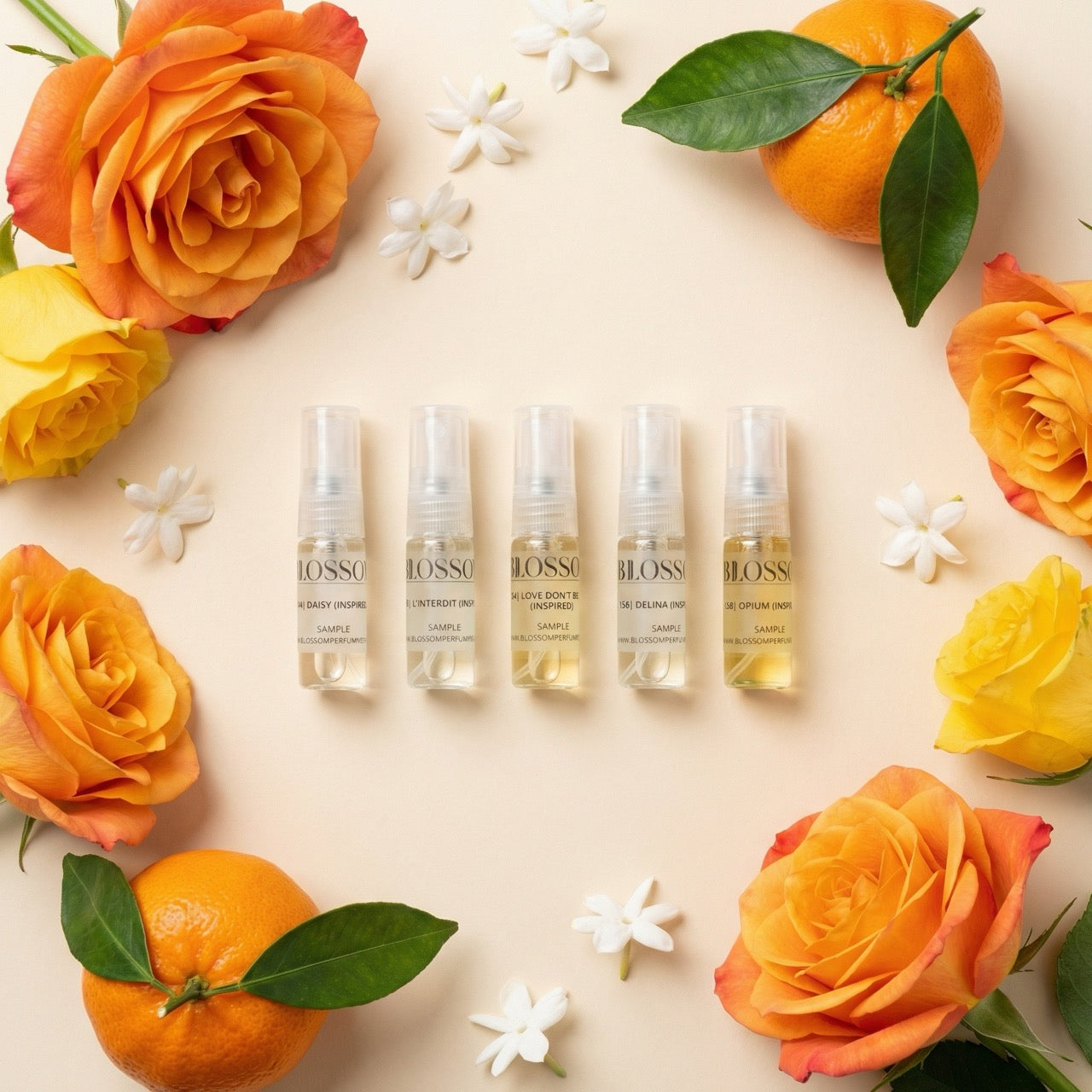
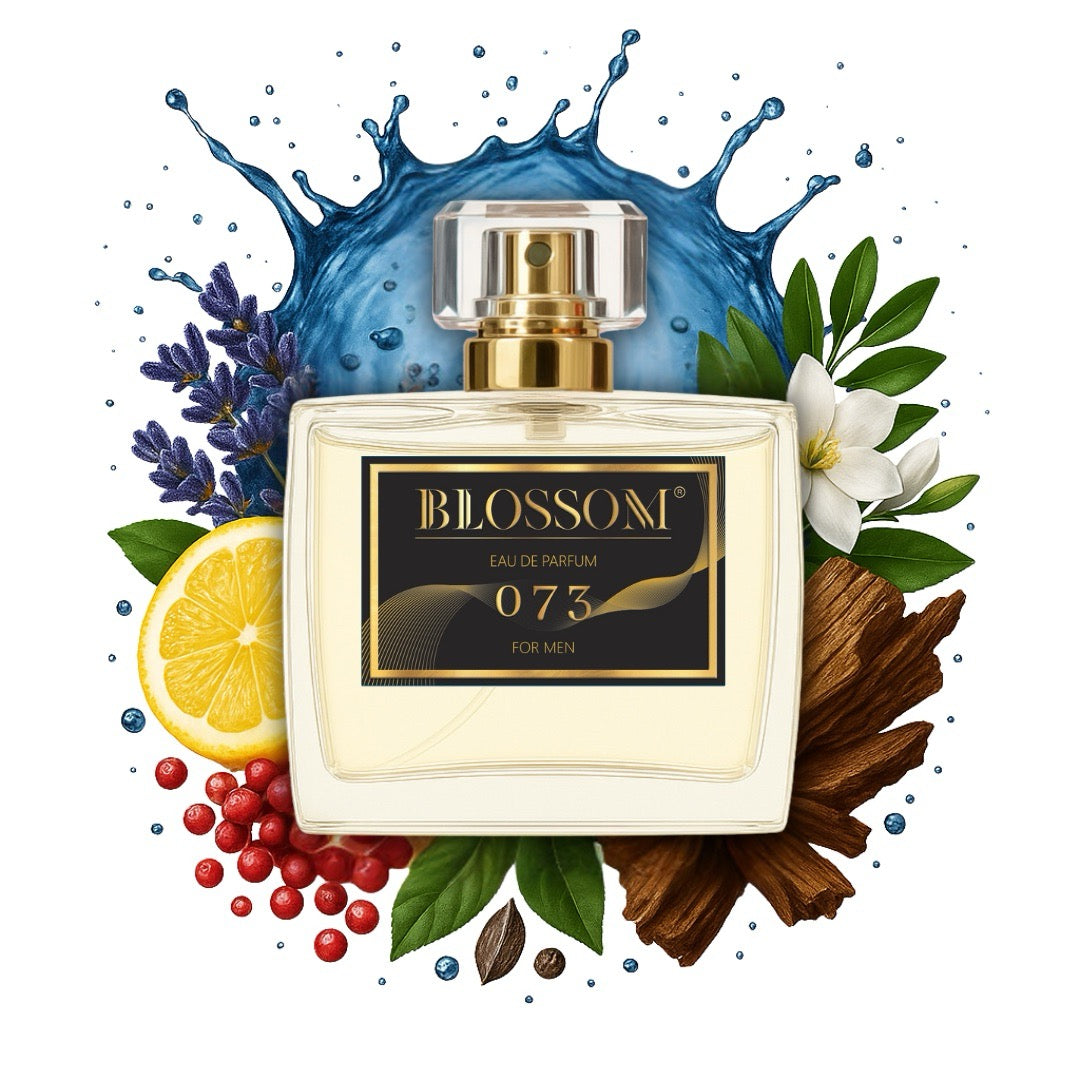
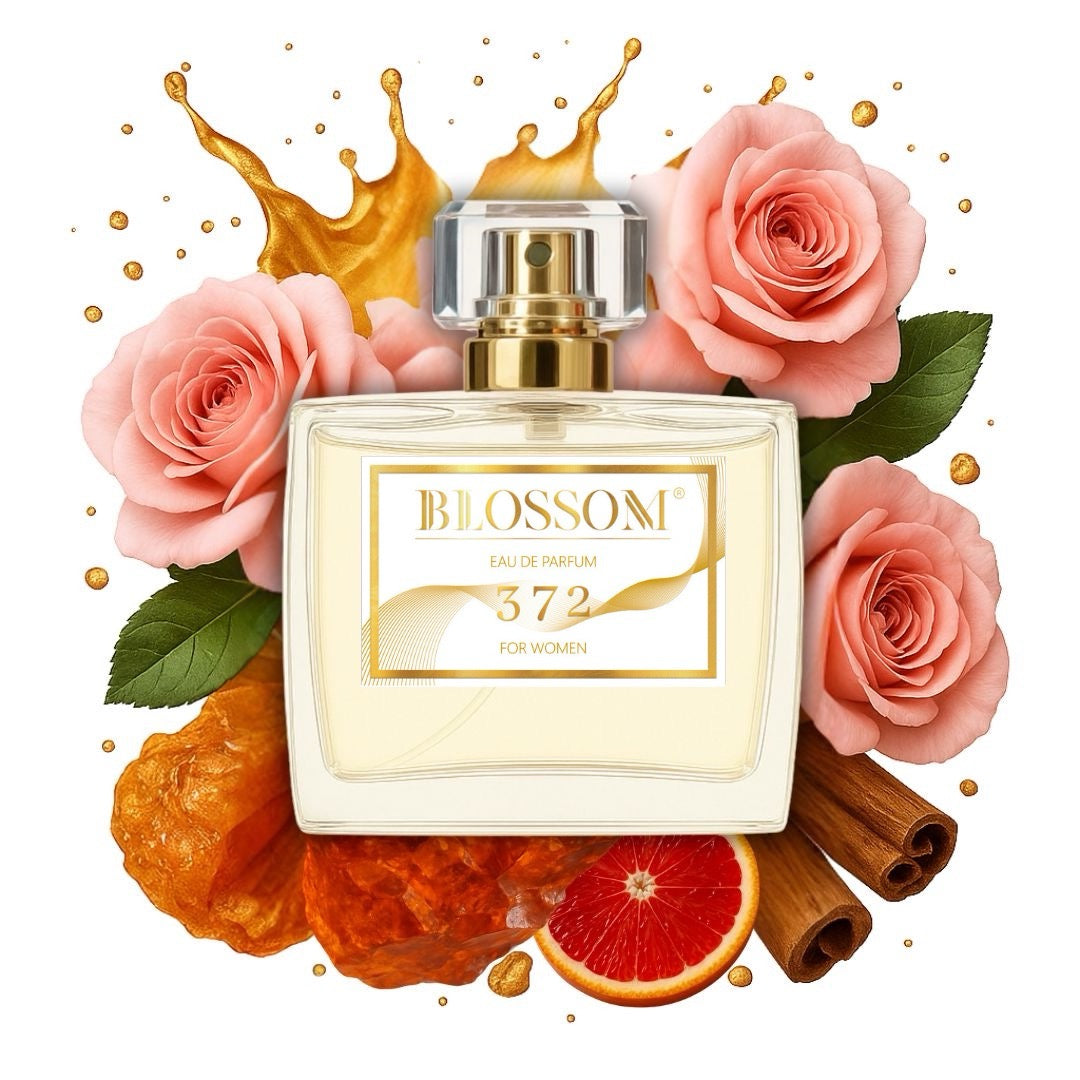
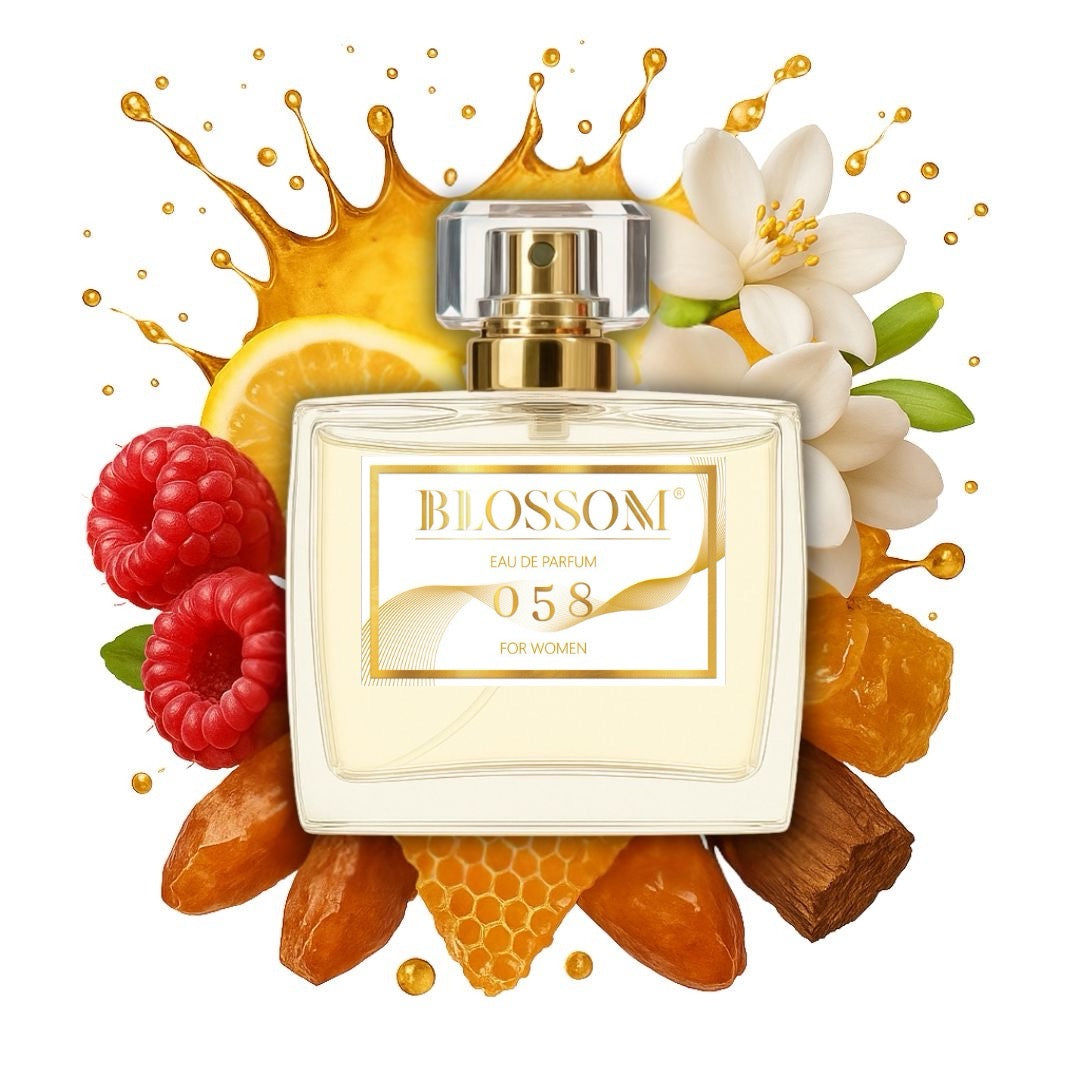
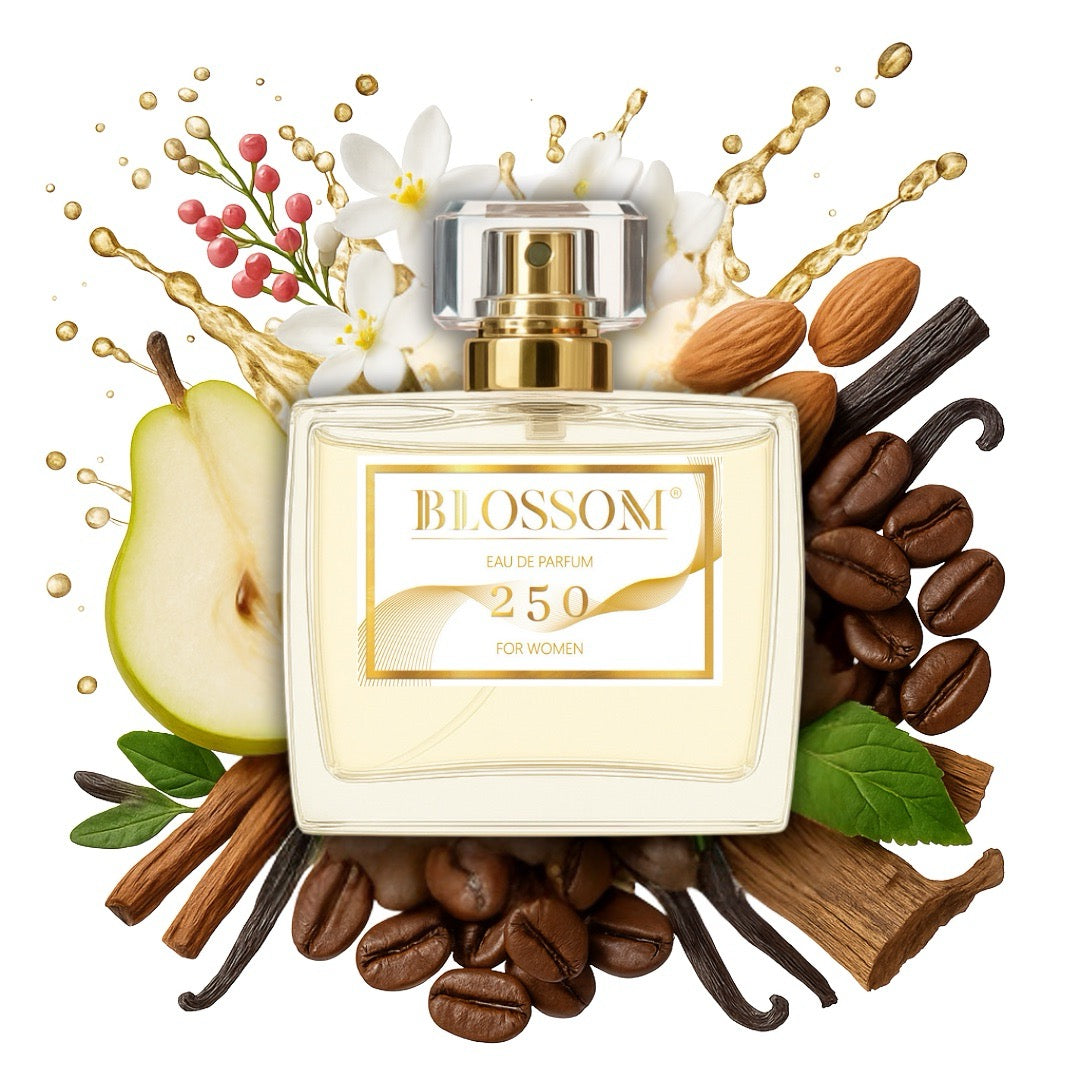
In fact, this is precisely why many people turn to perfume dupes. When a fragrance you love only exists as an EDT, or when its performance isn’t what it used to be due to reformulations in between batches, inspired alternatives can fill the gap beautifully. At Blossom Perfumery, every fragrance is created as an Eau de Parfum with around 19% perfume oils, giving it a naturally richer structure, deeper base and stronger lasting power. Our men’s perfume dupes and women’s perfume dupes are crafted to stay with you longer, offering the note profile you adore with performance that truly holds its own.
Finding the right perfume a bit tricky? Discover your perfect match with us.
Fixatives - The Quiet Power Behind a Long-Lasting Perfume
Fixatives shape every moment of a perfume’s life. They stabilise, soften, illuminate, and prolong — turning a fleeting impression into a lingering signature. Understanding fixatives gives you a clearer view into the hidden craftsmanship behind fragrance, and it makes you a more confident, informed perfume lover.
Perfume is more than a scent; it’s a story carried on the skin. And fixatives are the steady heartbeat that keeps it alive.
Read more about fragrances on our blog
Check out our fragrance collection and find your new favourite:
Women’s Perfumes | Men’s Perfumes | Unisex Perfumes | Home Range - Reed Diffusers