
Perfume is one of the few luxuries you cannot quite see or touch, and yet it leaves the deepest impression. It can change how you feel, how you move, and even how the world perceives you. Naturally, when wearing your beloved scent, a thought may cross your mind: how did they manage to create something so wonderful?
Behind every fragrance — whether a designer classic or a high-quality perfume dupe — lies an intricate process that blends creativity with chemistry, intuition with precision. Most people know fragrance only from the outside: a beautiful bottle, a mist in the air, a scent trail that lingers. But behind the scenes, perfume creation is a world of its own — one shaped by perfumers (known as “noses”), a complex combination of raw materials, and meticulous craftsmanship.
If you’ve ever wondered how perfumes are truly made — and why high-quality fragrances inspired by designer scents can smell so close to the originals — read on as we reveal everything that happens between the first spark of inspiration and the finished product.
The Creative Beginning — From Vision to the Perfumer’s Imagination
Every perfume begins long before any ingredient is touched. It most often starts with a concept — the fragrance brief — that captures the emotion, atmosphere, or personality the scent should evoke. It might describe a mood (“elegant and ambered”), a scene (“Mediterranean summer air”), or even a character (“soft but self-assured”). This brief is not just poetic fluff; it sets the direction, the budget, and the intended concentration (EDT, EDP, or otherwise) long before the formula is born.
From here, the responsibility falls to the perfumer — or the nez (“nose”), as fragrance aficionados affectionately call them. A perfumer’s role is part scientist, part artist. They must translate abstract ideas into olfactory reality, understanding not only how each ingredient smells individually but how it will interact with dozens of others over hours of wear. Their job is to shape the “architecture” of the scent from top to base: to make it unfold, transition, bloom, warm and finally linger on the skin in the way the brief demands.
As a side note, flanker perfumes - sequels, spin-offs or remixes of an existing perfume, such as No. 268 Hypnotic Poison - start with the original perfume. The perfume house keeps the core smell of the original but “pushes” it in a specific direction to suit a different occasion or season. This “push” can go so far as to leave only a few olfactory references to the original scent. Flankers keep the original’s name, too, so be careful when shopping for a refill of your favourite perfume! A good example here is Kouros - it’s had many flankers released in bottles of the same shape, but the fragrance profiles vary wildly. Body Kouros, for instance, has barely any notes or ingredients that were in the original perfume.
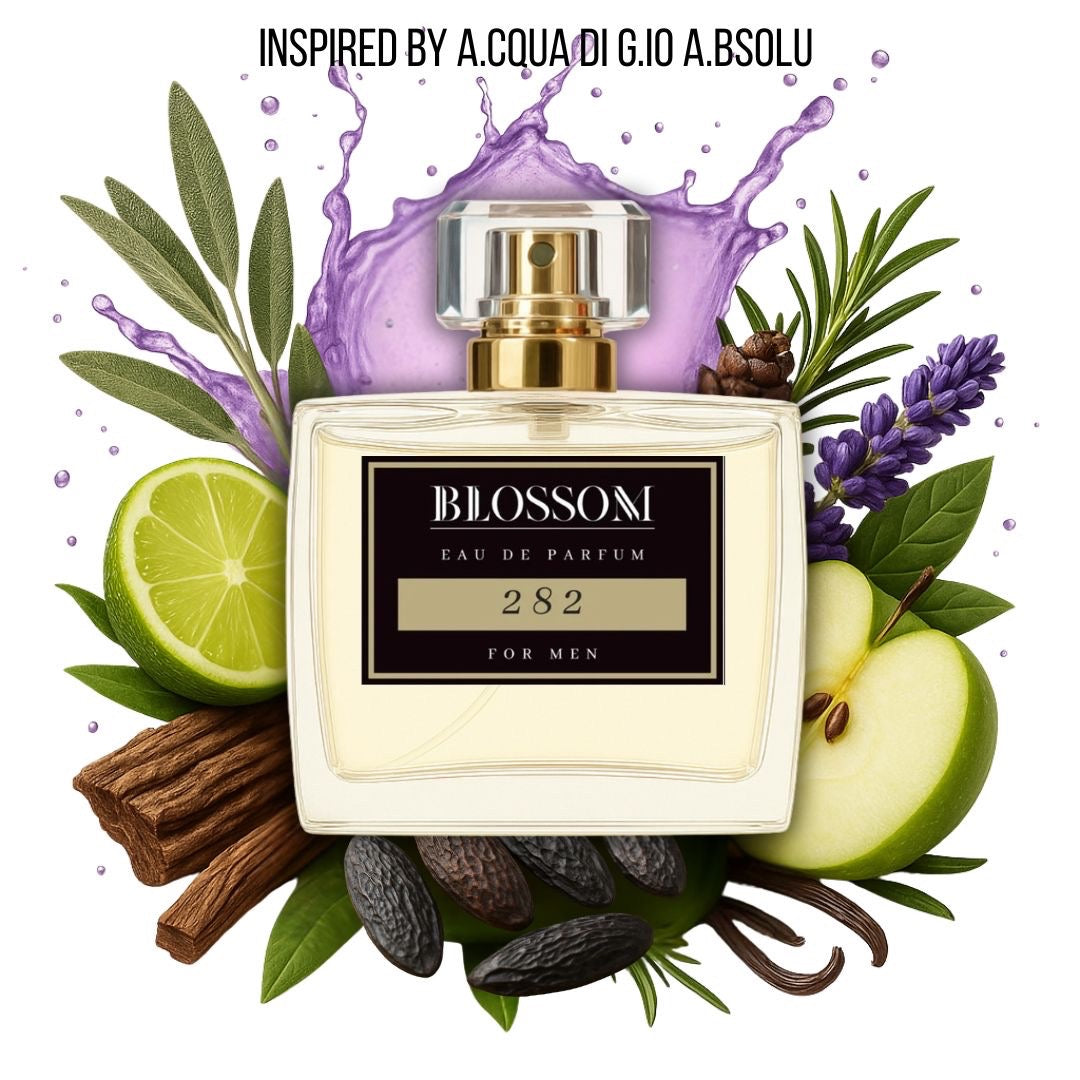
For inspired-by fragrances and high-quality perfume dupes, the perfumer’s task includes another layer of mastery: interpreting the scent signature of an existing perfume without copying its proprietary formula. This requires experience, intuition, and technical precision — a deep understanding of accords, proportions, and the subtle patterns hidden inside a fragrance profile.
In the hands of a skilled perfumer, ideas become structure, aromas become emotion, and a story becomes a scent for you to enjoy.
Composing the Scent — Notes, Accords and Olfactory Architecture
Top, Heart and Base Notes
To build a perfume, a perfumer layers ingredients in a structure known as the fragrance pyramid:
-
Top notes — the first impression (fresh, bright, volatile).
-
Heart notes — the true character (floral, fruity, aromatic).
-
Base notes — the long-lasting foundation (woods, amber, musk, vanilla).
Each note evaporates at a different rate, creating a natural progression over time. The skill lies in making this progression feel seamless. It can get very tricky, as some notes naturally have a rather harsh opening, making the first impression negative for some.
Read more about perfume notes here.
Accords — The Perfume’s DNA
An accord is a blend of several ingredients that combine into a new, unified scent — much like musical notes forming a chord.
Common accords include:
-
citrus-musk (clean, modern)
-
spicy-floral (bold, captivating)
Perfume dupes and fragrances inspired by designer scents attempt to recreate these accords with extreme precision — ensuring similarity without copying any proprietary formula. We achieve this through note-matching and aromatic profiling, focusing on over 90% scent similarity - our reviews confirm our dedication to the craft.
Choosing the Ingredients — Naturals, Synthetics and Modern Innovation
Once the perfumer sketches the blueprint of the fragrance, the next step is selecting the raw materials that will bring it to life. Some materials are natural — extracted from flowers, resins, woods or citrus rinds — and others are synthetic, designed to replicate aromas or create entirely new ones. Both are essential to modern perfumery; the magic lies in the balance.
Some natural ingredients can be extraordinarily expensive, not only because of their rarity but also because the yield is often extremely low. For example, jasmine absolute (i.e. highly concentrated oil) may require tens of thousands of blossoms to produce just a few millilitres of oil, and sandalwood takes decades to mature before distillation is possible. These realities shape the perfumer’s formula and play a large role in why some fragrances — especially traditional designer perfumes — carry such high retail prices.
Synthetic molecules, by contrast, offer precision, consistency and innovation. They also allow perfumers to create scents that nature cannot provide, such as amber, airy musks or “clean” notes. Used wisely, synthetics enhance longevity and improve sustainability without compromising beauty.
When the Strength Is Decided: EDT, EDP, EDC (And Why It Happens So Early)
A common misconception is that the perfume concentration — whether a perfume becomes an Eau de Toilette, Eau de Parfum or Eau de Cologne — is chosen at the end of production by simply diluting a formula with more or less alcohol. In reality, the decision is made before the fragrance even exists.
During the strategic phase, long before the perfumer begins blending, the brand’s marketing team sets the concentration. This early choice affects everything: ingredient budget, target audience, retail positioning and even bottle size. The perfumer must formulate with that concentration in mind from the very beginning.
An EDT (Eau de Toilette) calls for brighter, more volatile top notes. It needs sparkle, energy and quick diffusion. An EDP requires deeper structure: more emphasis on woods, musks, ambers and fixatives. You cannot take an EDT formula, remove some alcohol and call it an EDP — the scent will collapse, becoming unbalanced or muddy. This is why designer fragrances smell truly different across their EDT, EDP and Parfum editions.
Only after the formula is perfected does the manufacturing stage begin, and that is when the final ratio of alcohol to perfume oil is executed, macerated and filtered.
We chose to create all our fragrances as Eau de Parfum from the start, meaning every formula is intentionally designed to have richness, depth and staying power — not simply strengthened after the fact.

The Laboratory Phase — Testing, Adjusting and Perfecting
Once the perfumer builds the draft formula, the real work begins: iterating, correcting, stabilising and balancing to create the final fragrance. Perfume behaves differently depending on:
-
temperature
-
humidity
-
skin chemistry
-
concentration
-
ingredient interactions
-
light exposure
Thus, a tiny tweak can change a lot. Did you know that during this process, dozens — sometimes hundreds — of fragrance versions may be created? These can be, and are being reused - sometimes as ready-made flanker versions, sometimes as bases for other new fragrances.
Maceration — The “Resting Period” That Makes a Perfume Bloom
After blending, the perfume concentrate is mixed with ethanol (high-purity alcohol) or distilled water. Some perfume houses skip alcohol as a carrier solvent and instead use oil-based perfumes.
Then, it rests — or macerates — for several weeks. This step allows the ingredients to bind, mellow, and harmonise, improving their smoothness, projection, and clarity. Skipping maceration is one reason cheap knockoffs smell harsh or fade quickly - high-quality EDP dupe perfumes undergo the same maceration as designer scents.
Once maceration is complete, the perfume is almost ready to be bottled. At this stage, perfumers have to ensure stability and elegance — no cloudiness, residue or separation. Hence, the perfume is chilled, filtered, then checked for clarity - and of course, tested thoroughly to ensure it won’t affect the wearers’ skin in any way.
Some perfume houses do add dye to their perfumes to further project the idea of the “juice” inside the bottle to the customer. As odd as it sounds, if you saw a brown, oil-colored perfume, what would be your olfactory idea of it? Likely something woody, bold, aromatic. A red or pinkish colour might evoke a floral or rosy scent, and hues of blue remind one of aquatic, fresh notes.
Perfume dye is, in a way, partly a marketing choice - especially if the bottle is clear. On the other hand, minimalist and niche perfume houses often avoid dyes because they value natural colour variation — and because dyes have zero impact on scent.
Bottling and Packaging — The Final Touches
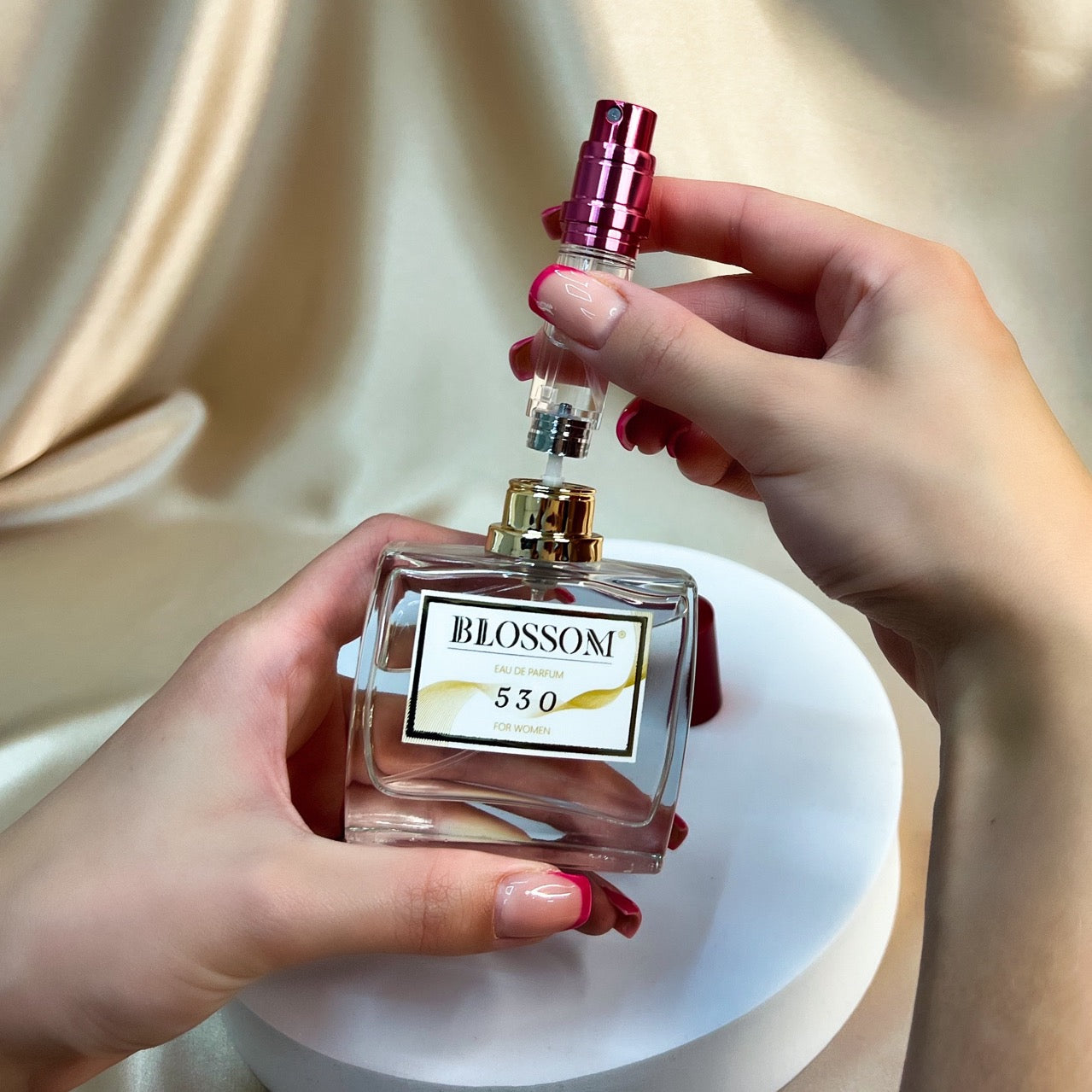
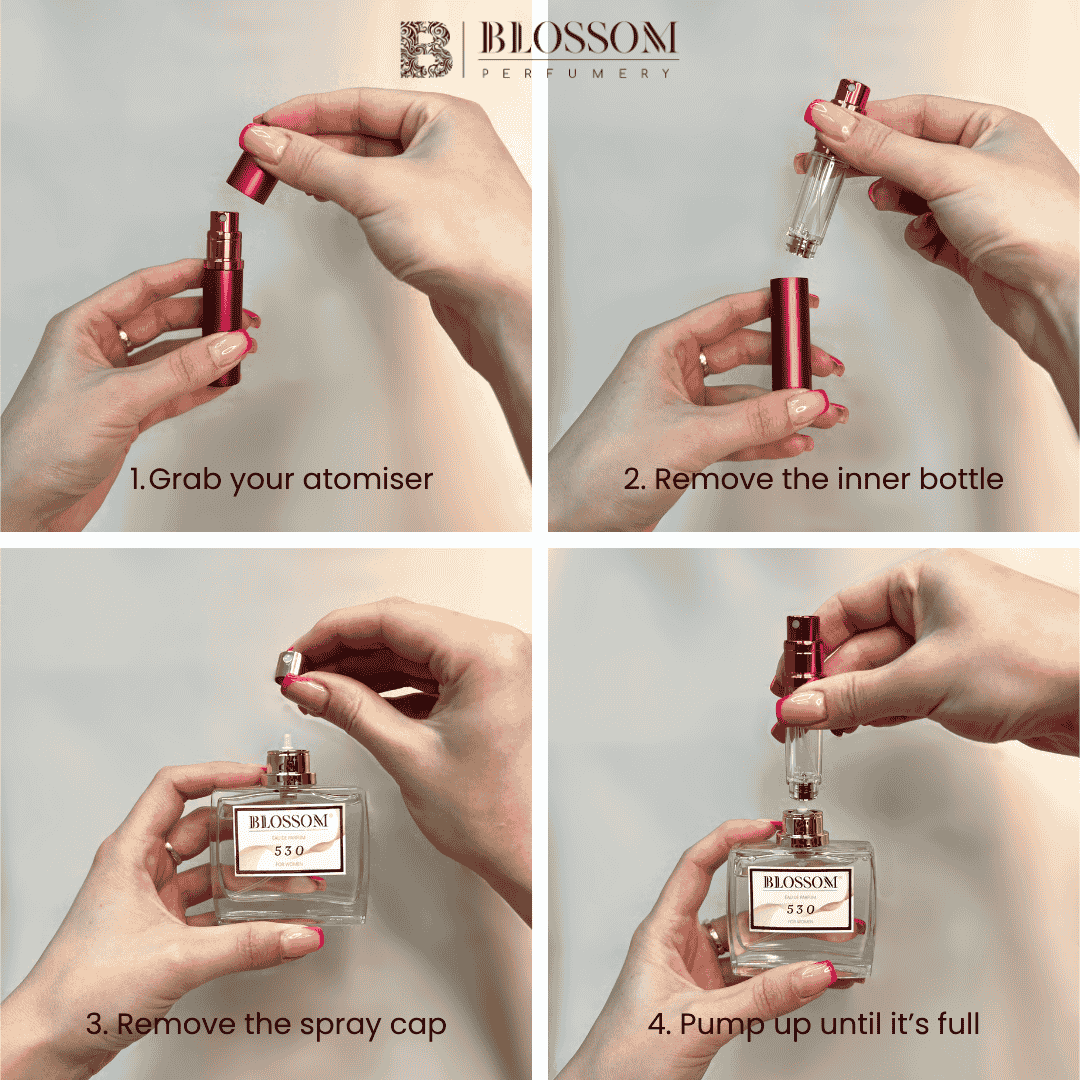
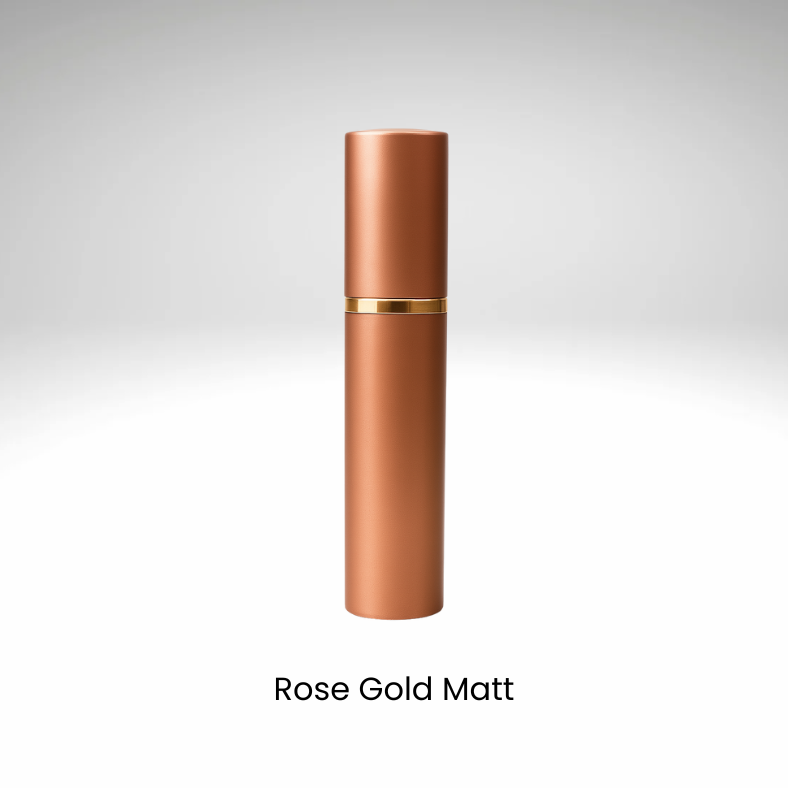
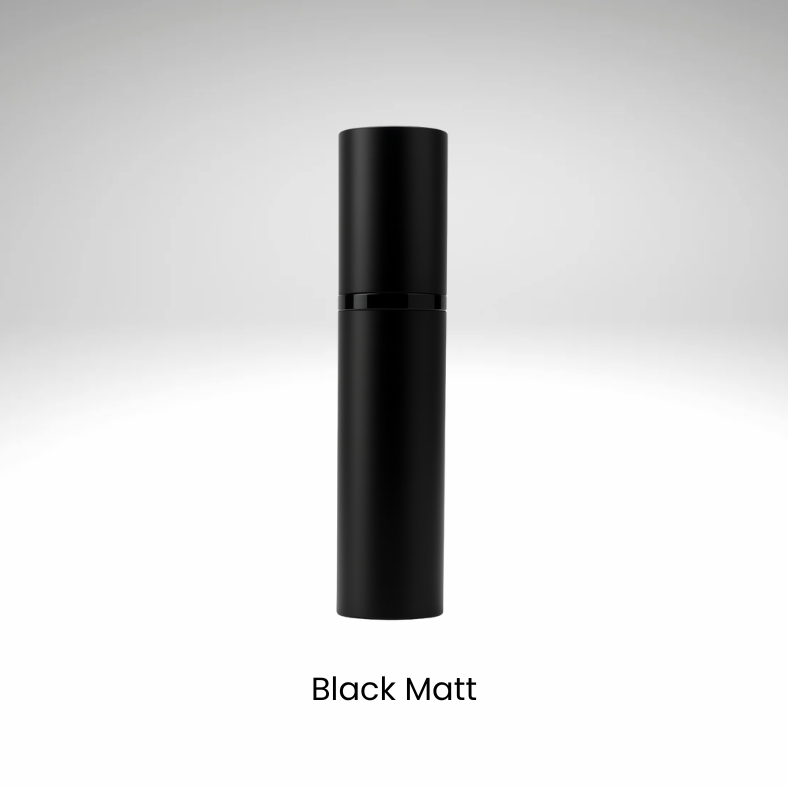
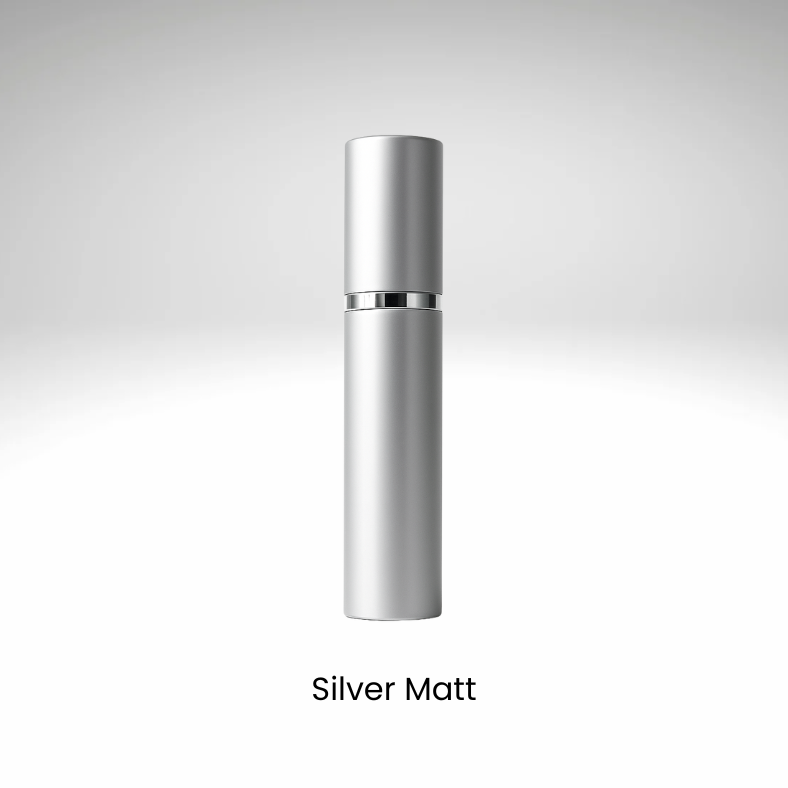
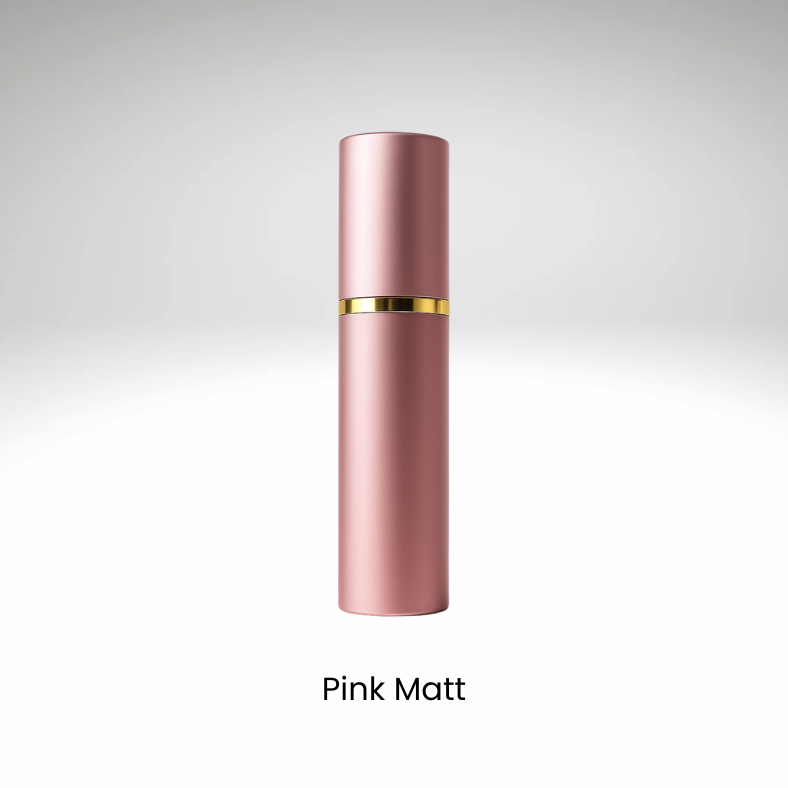
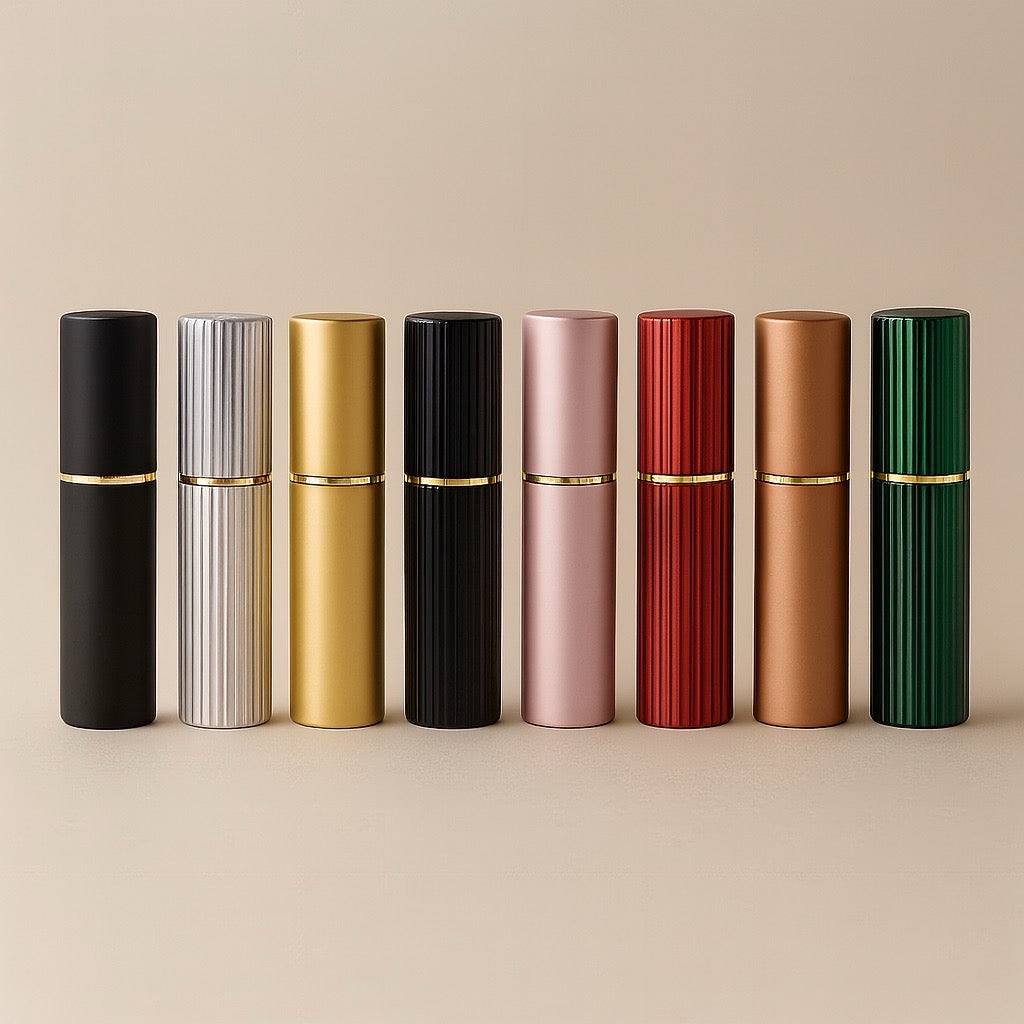
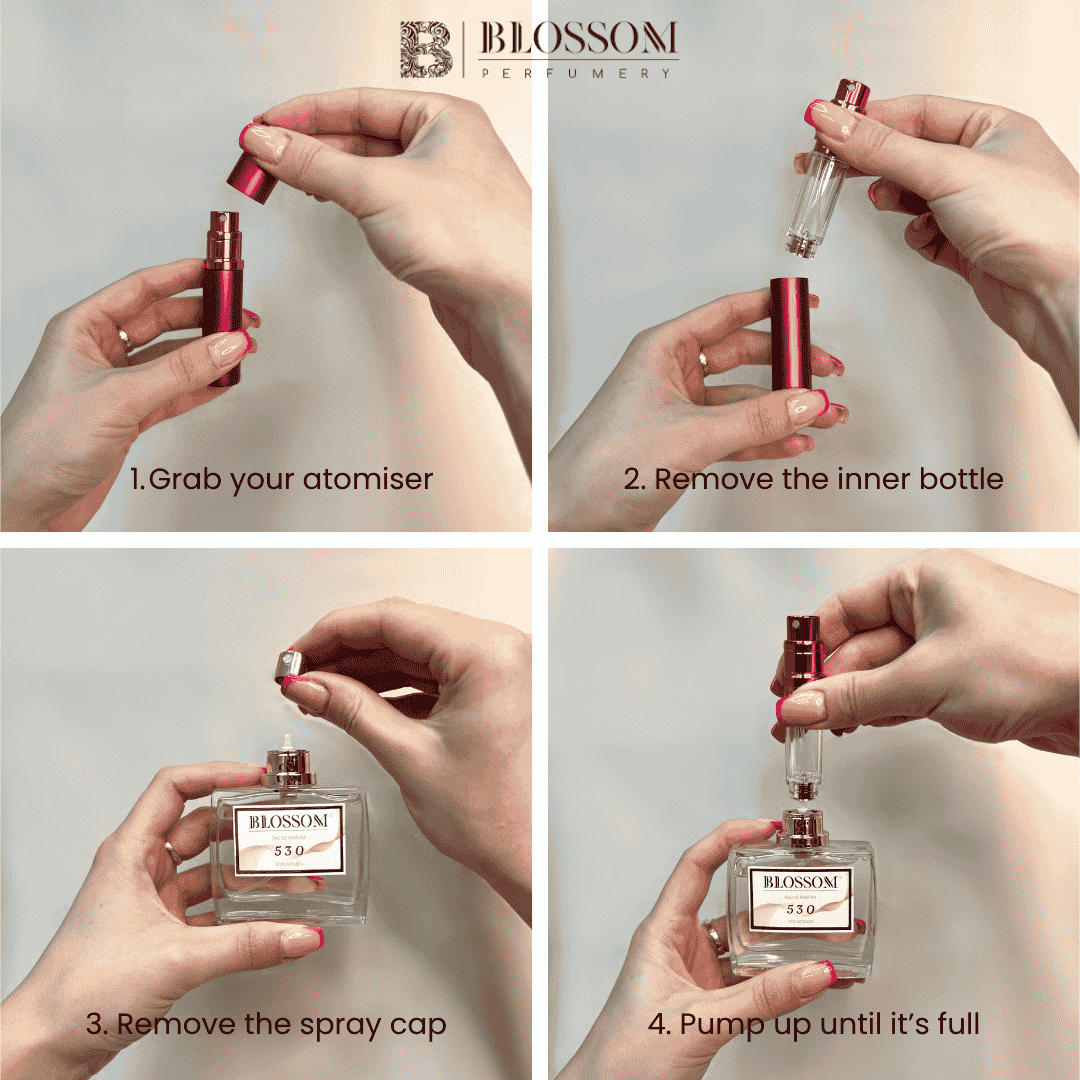
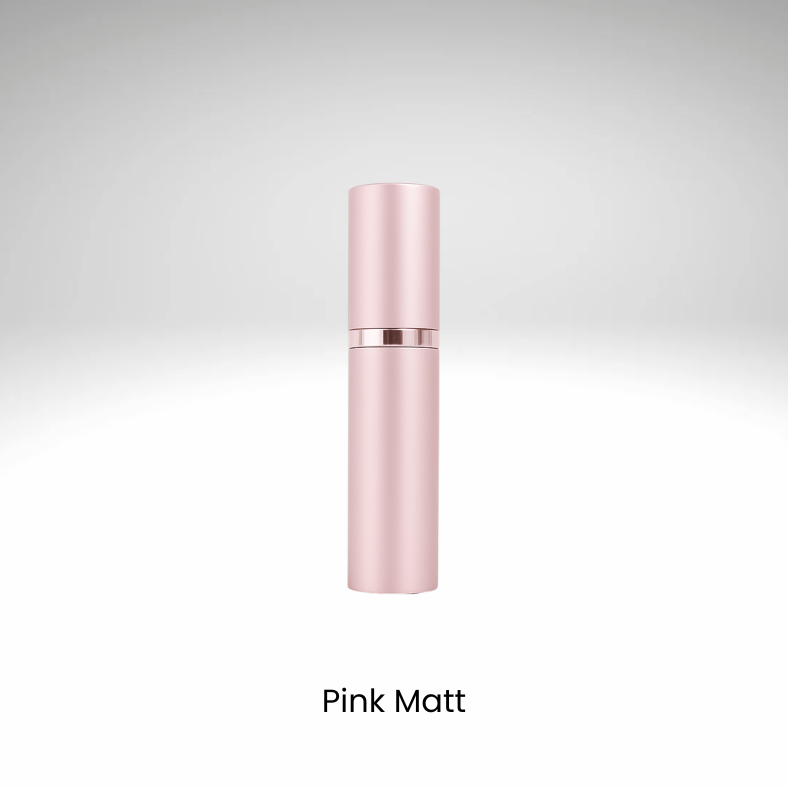
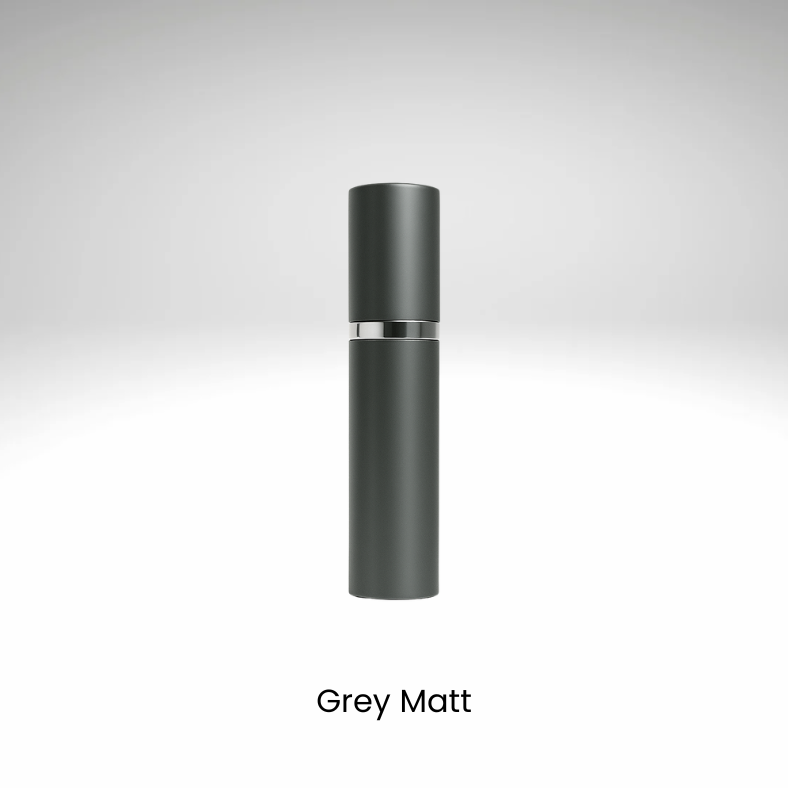
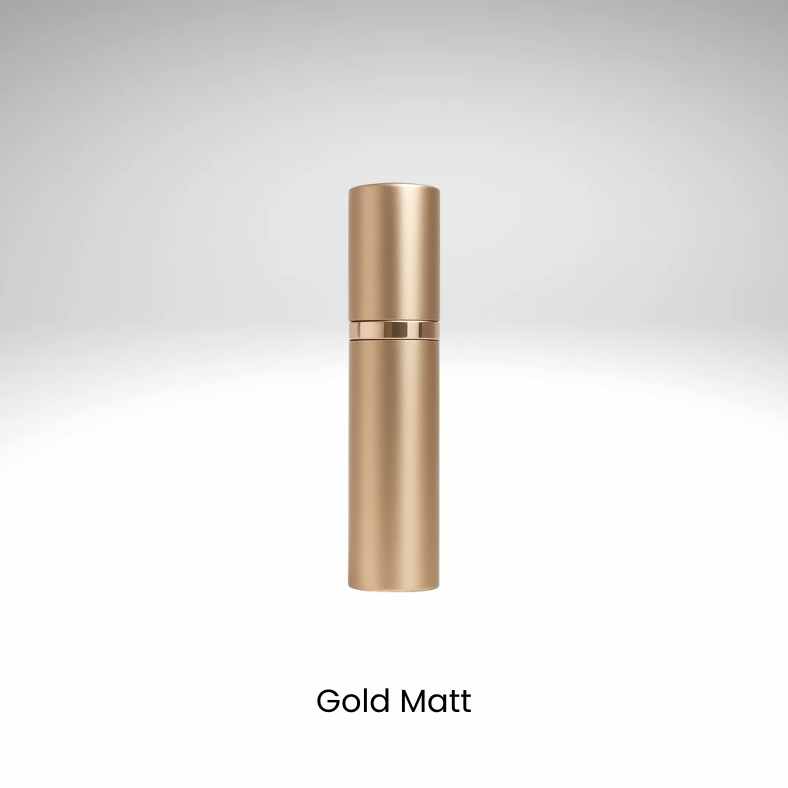
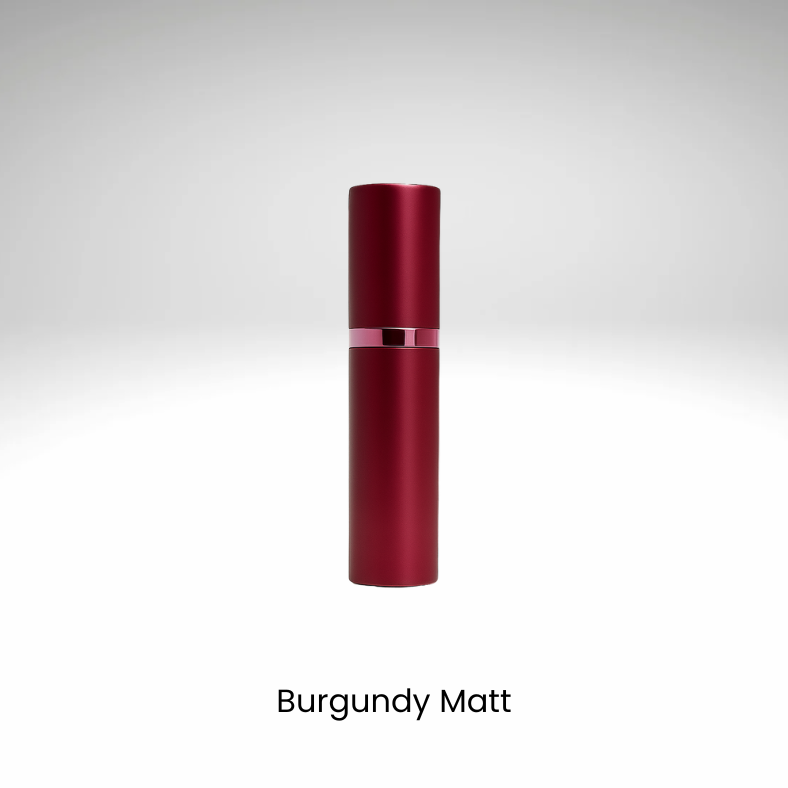
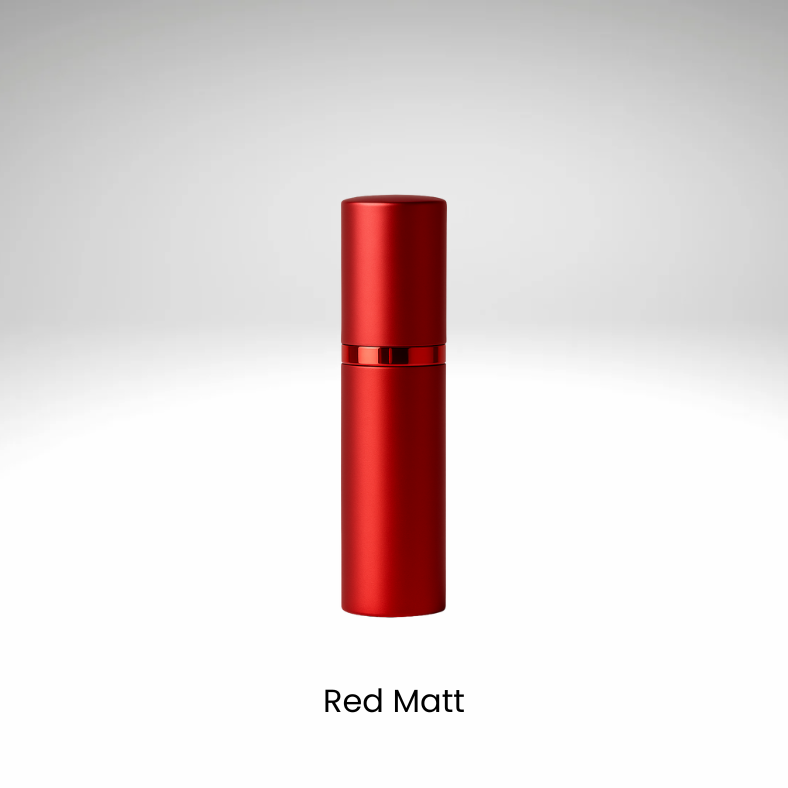
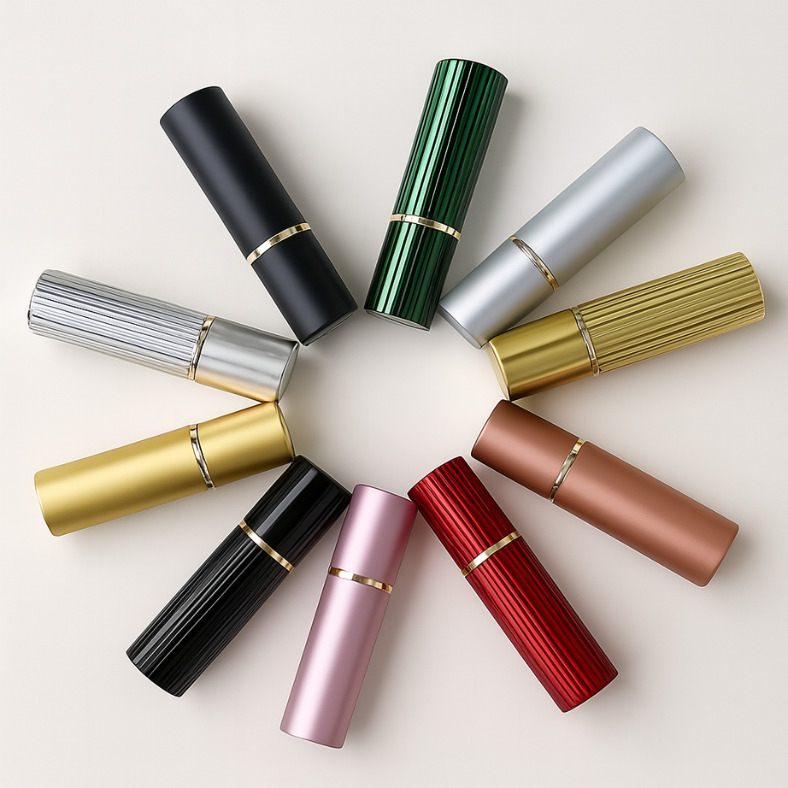
After passing quality control, the fragrance is bottled. The bottle protects the perfume from light and oxidation, but the real unsung hero is the atomiser, the tiny mechanism that transforms liquid into a fine mist. It cannot be overstated how important a good atomiser is! Its quality directly affects how the perfume lands on your skin, how evenly it disperses, and even how you perceive the scent.
A good atomiser creates a soft, cloud-like spray that allows the top notes to open naturally, while a poor one can shoot out heavy droplets that distort the fragrance’s development. It’s a detail many companies overlook. It might seem like a small detail, but atomisation can determine whether a fragrance feels airy and elegant or sharp and overwhelming.
At Blossom Perfumery, we know that good atomisers are key to a good fragrance experience. They should:
-
disperse an even spray,
-
minimise air contamination,
-
maintain pressure and consistency.
We use high-quality atomisers to ensure each of our Eau de Parfum fragrances diffuses smoothly and evenly, enhancing both projection and wear. Combined with protective, eco-conscious packaging, this stage completes a process - and you get the final product ready to enjoy.
Creating a perfume is a beautiful process
Perfume may be invisible, but the work behind it is anything but. Now that you’ve seen how a fragrance comes to life — from creative brief to bottling — it becomes clear just how intricate, technical, and unexpectedly poetic the process truly is. Every step requires intention, expertise, and patience. Ingredients must be chosen with care, proportions balanced with precision, and the final composition shaped not only for scent, but for how it moves, settles, warms and lingers on the skin.
Understanding this process gives you more than trivia; it gives you power as a shopper. When you know how perfumes are made — why certain notes behave the way they do, how concentration influences longevity, how ingredients evolve through maceration, or why two versions of the “same” fragrance smell different — you become a more confident, discerning, and educated fragrance shopper. You begin to recognise the craftsmanship hidden beneath familiar scents, and you start to appreciate why some formulas feel effortless while others fall flat.
Perfume is a world of chemistry, storytelling and sensory artistry. And the more you understand its inner workings, the more beautiful that world becomes.
At Blossom Perfumery, we honour this craft by creating Eau de Parfum fragrances that respect the artistry of perfumery while making it accessible to everyone. Each scent is crafted with high-quality ingredients, thoughtful formulations, and a commitment to vegan, cruelty-free, UK-made standards. Our fragrances are inspired by iconic perfumes, not to imitate them, but to celebrate what makes them beautiful — offering you long-lasting, ethically crafted scents with over 90% similarity at a fair price. Because when you understand how perfume is made, you deserve a fragrance that reflects that knowledge: considered, honest, and crafted with care.
Check out our fragrance collection and find your new favourite:
Women’s Perfumes | Men’s Perfumes | Unisex Perfumes | Home Range - Reed Diffusers