
You’ve seen it countless times, gracing the labels of elegant bottles: Eau de Toilette. Perhaps you’ve even spritzed some on this morning. But have you ever paused and wondered about that name? If you translate it, Eau de Toilette stands for "Toilet Water" – it hardly evokes the sophisticated elixirs we adore.
Rest assured, the story behind the name is far more refined than a literal, modern translation might suggest. It’s a glimpse into history, a nod to grooming rituals, and a key to understanding a fragrance's character. In fact, understanding what Eau de Toilette truly means opens a fascinating window into how fragrances are made, worn, and classified.
In this guide, we’ll explore the origin and meaning of Eau de Toilette, trace its historical roots, and explain how it differs from other perfume strengths such as Eau de Parfum and Eau de Cologne. You’ll also discover why this lighter formulation remains a favourite for everyday wear — and why some people mistake it for “perfume lite.”
By the end, you’ll know exactly what Eau de Toilette means, why it exists, and when to choose it — or when to reach for something stronger if you want a scent that truly lingers.
Why Is it Called “Eau de Toilette”?
The French word toilette originally referred to the process of grooming oneself – washing, dressing, attending to one's hair and appearance. Indeed, the phrase "faire sa toilette" directly translates to "getting ready" or performing one's ablutions. It encompassed the whole ritual of preparing for the day or an evening out. The term itself derives from "toile", a small cloth that might have been laid out with grooming articles. So, an Eau de Toilette was, quite literally, a scented water used as part of this personal care regimen.
It's also interesting to note how the meaning of "toilette" evolved. While initially referring to the grooming process and the cloths involved, by the early 19th century, it also came to describe a special room for grooming, the cabinet de toilette. Only later, in certain regions and contexts, did the term become associated with the sanitary fixture we know today, which explains why "toilet water" can sound so jarring to modern ears. The original meaning, however, was all about refinement.
The History of Eau de Toilette - From Grooming Ritual to Fragrance Staple
The journey of Eau de Toilette from a simple scented water for the toilette ritual to a mainstay on our fragrance shelves is quite a story. Long before the complex fragrances we know, there were simpler, alcohol-based preparations. Consider "Hungary Water", one of the first alcohol-based perfumes in Europe, which appeared around the 14th century. Legend, though likely apocryphal, tells of it being formulated for Queen Elizabeth of Hungary, who supposedly used it so devoutly that it maintained her youthful appearance, even leading to a marriage proposal when she was well into her seventies. These early concoctions, often based on herbs like rosemary and thyme distilled in brandy or wine, were used for their refreshing and perceived hygienic properties – clear precursors to the Eaux de Toilette to come.
Originally, Eaux de Toilette themselves were often simpler compositions, perhaps infused with readily available botanicals, used for their refreshing and subtly cleansing properties. Imagine ladies and gentlemen of centuries past, dabbing these fragrant waters onto their skin with a fine cloth. It was less about a powerful statement and more about personal freshness and a delicate aura.
As perfumery evolved into the art form we know today, the Eau de Toilette concentration found its distinct place. It wasn't just about splashing on some nice-smelling water anymore. Perfumers began to craft complex compositions specifically for this concentration, understanding its unique appeal. It became a way to experience a fragrance in a lighter, often brighter, iteration. This accessibility, both in terms of scent profile and often price point, helped cement its popularity. We see this legacy even now; many iconic fragrances are offered in an Eau de Toilette version as well. Many of these have inspired modern interpretations, much like some iconic fragrances of the 20th century continue to influence perfume trends.
What Does Eau de Toilette Actually Signify?
Beyond the charming history, what does Eau de Toilette (often abbreviated as EDT) mean in practical terms for us fragrance lovers? It primarily refers to the concentration of aromatic compounds – the pure perfume oils – in the solvent, which is usually alcohol.
Generally, an Eau de Toilette contains around 5% to 15% perfume oil. This is a bit of a general range, mind you, as there isn't a universally enforced standard, and it can vary slightly between fragrance houses. Compare this to:
-
Eau de Cologne (EDC): Typically lighter, around 2-4%. Another term for a perfume with low perfume oil concentration is Eau Fraiche.
-
Eau de Parfum (EDP): Stronger, usually 15-20%, often preferred by those seeking a lasting impression, whether choosing from sophisticated women's EDPs or versatile men's EDPs for everyday wear.
-
Parfum or Extrait de Parfum: The most concentrated, often 20-30% or even higher.
-
You might also find perfumes with strength referred to as “Eau Intense” or “Absolu”, however, these hardly include more perfume oil. Rather, they’re what’s called flankers - new formulations using much of the DNA of an existing perfume. Think of them as “sequels” to a given perfume. Our No. 268 perfume is inspired by Hypnotic Poison, a popular flanker from the legendary line of women’s perfumes going all the way back to 1985.
Perfume oil concentration directly impacts a few key characteristics: intensity, longevity, and sillage, which is the trail a fragrance leaves. An EDT is generally less tenacious than an EDP, meaning it might not last as many hours on the skin. Its sillage is often more moderate, making it a less overpowering choice. Many Eau de Toilette versions of classic perfumes feel lighter, fresher, and more energetic than their Eau de Parfum counterparts. Understanding concentration helps you choose the right format for your lifestyle.
-
If you want something fresh and fleeting, like a summer breeze — Eau Fraîche or Eau de Toilette is perfect, though mind you - these don’t last long.
-
For depth and staying power, opt for Eau de Parfum or Parfum.
-
If you love a skin-hugging scent that lasts for hours without shouting, Parfum Oils are ideal - but very easy to overdo.
The global perfume market is stronger than ever - valued at approximately USD 50-53 billion in 2025, it reflects diverse consumer preferences for these different strengths. While Eau de Parfum often holds a significant market share, say around 40% in some analyses, Eau de Toilette is also very popular, capturing about 35% of the market, underscoring its widespread appeal and versatility.
When Does an Eau de Toilette Shine?
Knowing its nature, when is an Eau de Toilette the perfect pick? Its characteristics make it wonderfully versatile. For many, it's the ideal daily wear fragrance. It’s present enough to be enjoyed, but subtle enough not to overwhelm in close quarters, like an office or during a casual meet-up. You get to enjoy your chosen scent, and so do those near you, without it feeling like an olfactory announcement.
Your Everyday Go-To
An EDT generally lighter character means you can reapply later in the day if you wish, without it becoming too heavy. It’s that easy reach when you want to feel put-together and refreshed. That burst of top notes can be particularly invigorating in the morning – a lovely part of, well, your modern toilette ritual! Because it’s lighter, it feels appropriate for any setting — office, gym, or a sunny weekend brunch. It won’t overpower those around you, and it’s easy to reapply if you want a little boost later in the day. Many people love keeping an EDT as their signature daily scent — elegant but effortless.
A Breath of Fresh Air in Warmth
Warmer weather is another moment where EDTs truly come into their own. When the temperature rises, heavier fragrances can become cloying, almost suffocating. An Eau de Toilette, with its brighter composition and more moderate sillage, feels refreshing and appropriate. Think crisp aromatic fragrances with citrus, airy floral fragrances, or light woody scented notes in an EDT formulation – they just work beautifully in spring and summer. They bloom without overwhelming.
Finding the right perfume a bit tricky? Discover your perfect match with us.
The Modern Shift Toward Stronger Perfumes
Fragrance, like fashion, follows trends — and one of the biggest shifts in recent years has been the growing love for richer, longer-lasting scents.
Once upon a time, Eau de Toilette was the everyday staple. People wanted light, refreshing fragrances they could reapply easily. But as our lifestyles changed — longer workdays, climate-controlled environments, and the rise of “signature scents” — so did our expectations.
Today’s perfume lovers want longevity, projection, and presence. They want their fragrance to impress and tell a story from morning to night.
Why Consumers Are Leaning Toward Eau de Parfum Fragrances?
There are a few reasons behind the global move toward Eau de Parfum:
-
Performance: EDPs hold a higher concentration of perfume oils, meaning the scent stays vibrant for hours longer.
-
Value: You use fewer sprays for the same impact — so one bottle lasts longer.
-
Complexity: With more base notes and slower evaporation, EDPs develop more character as they wear.
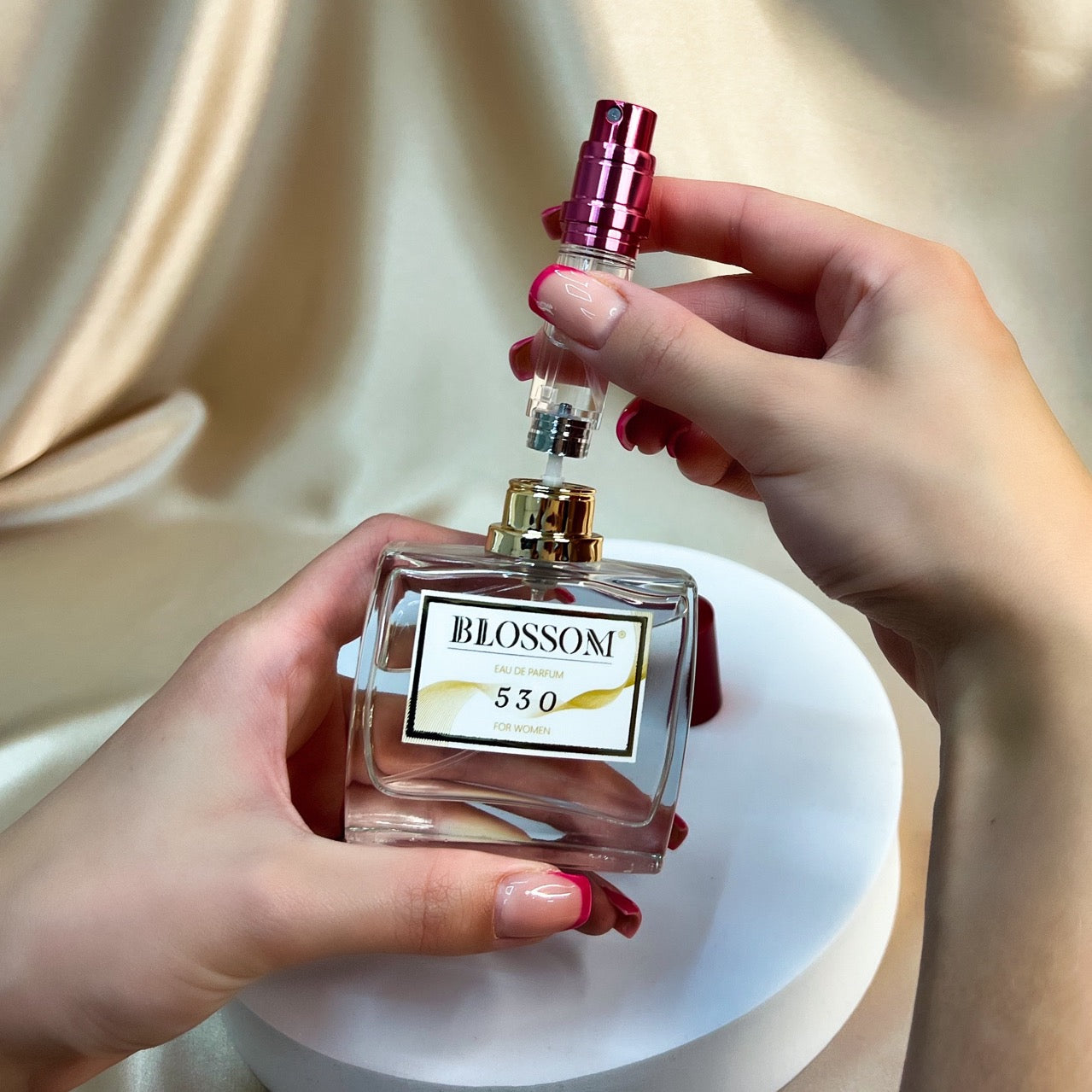
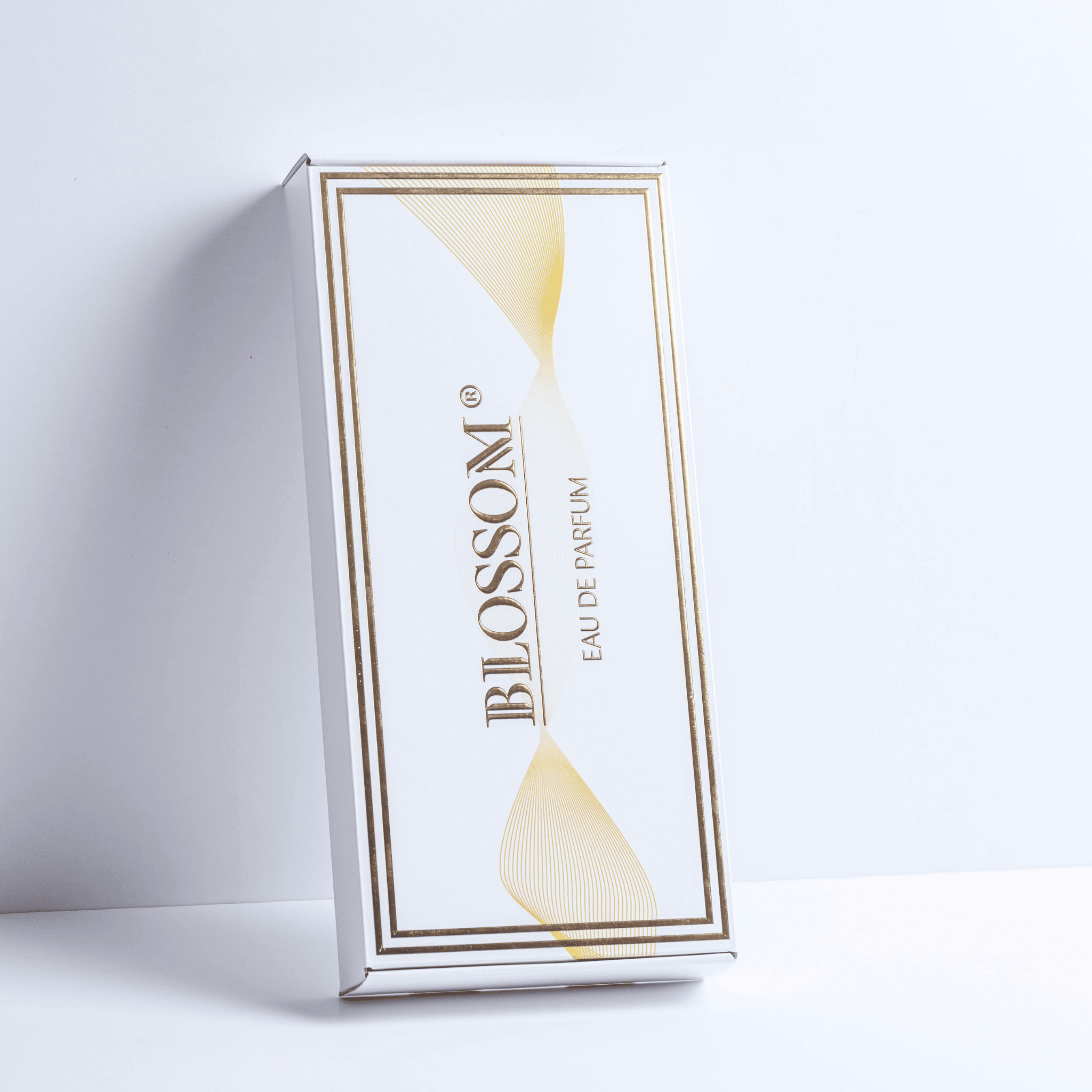
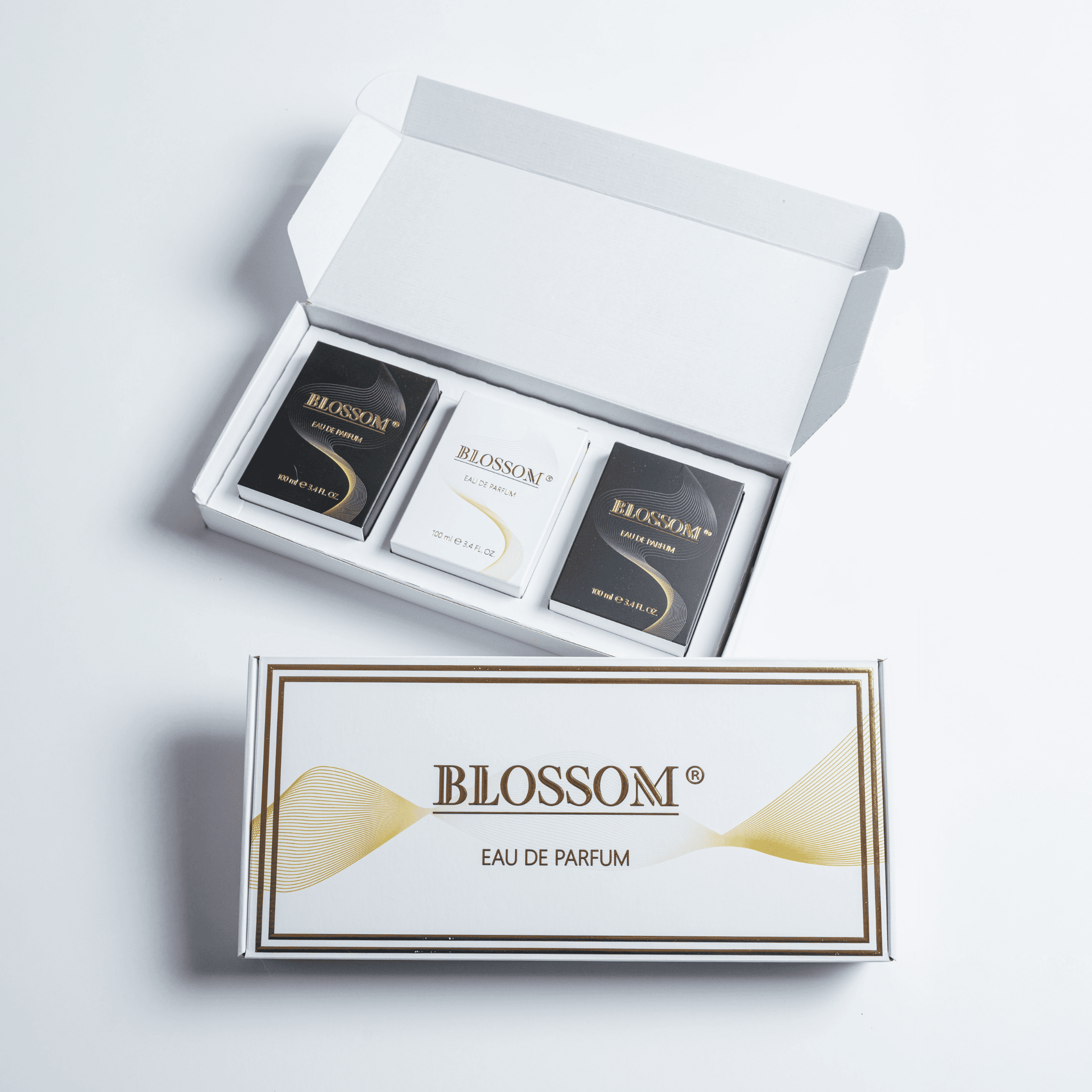
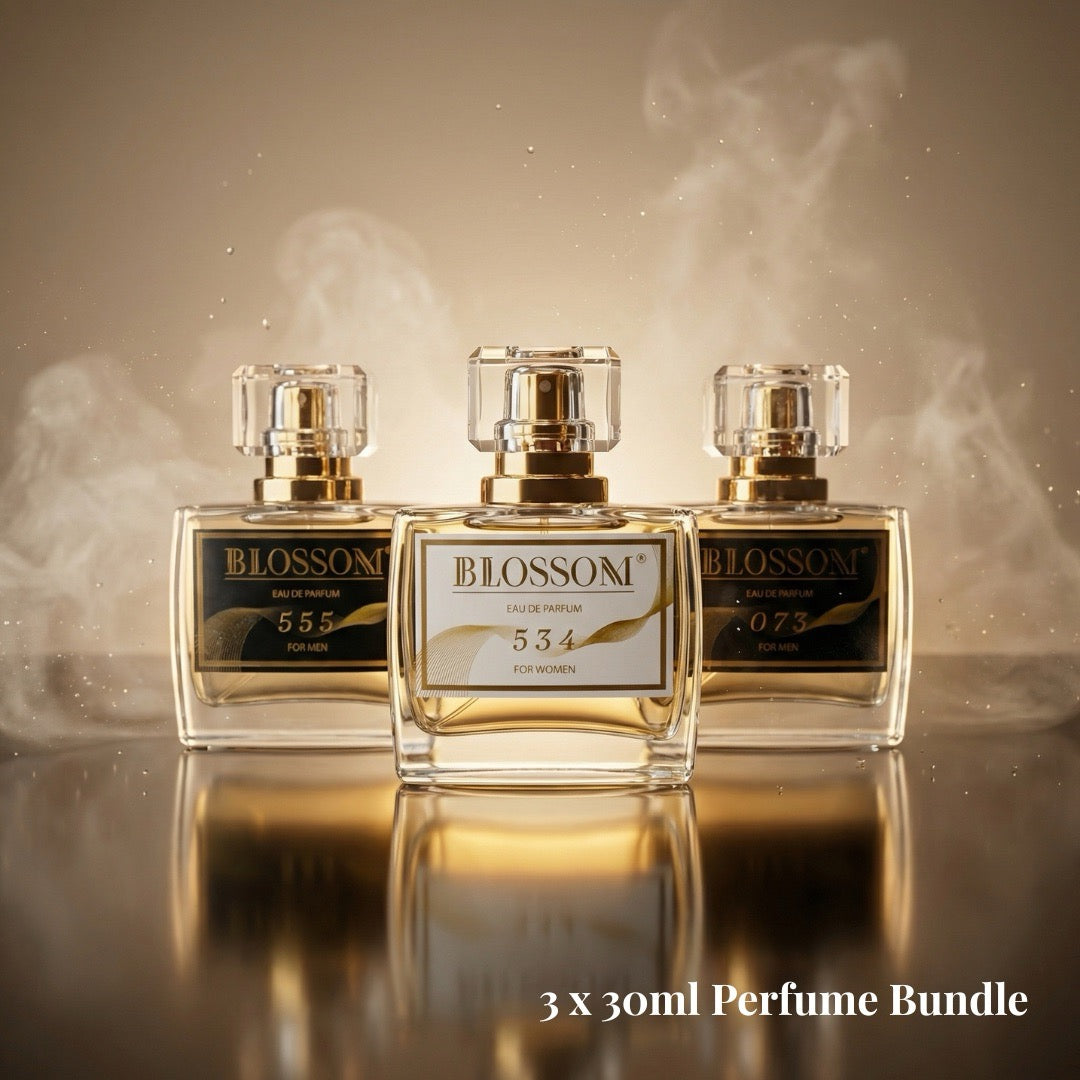
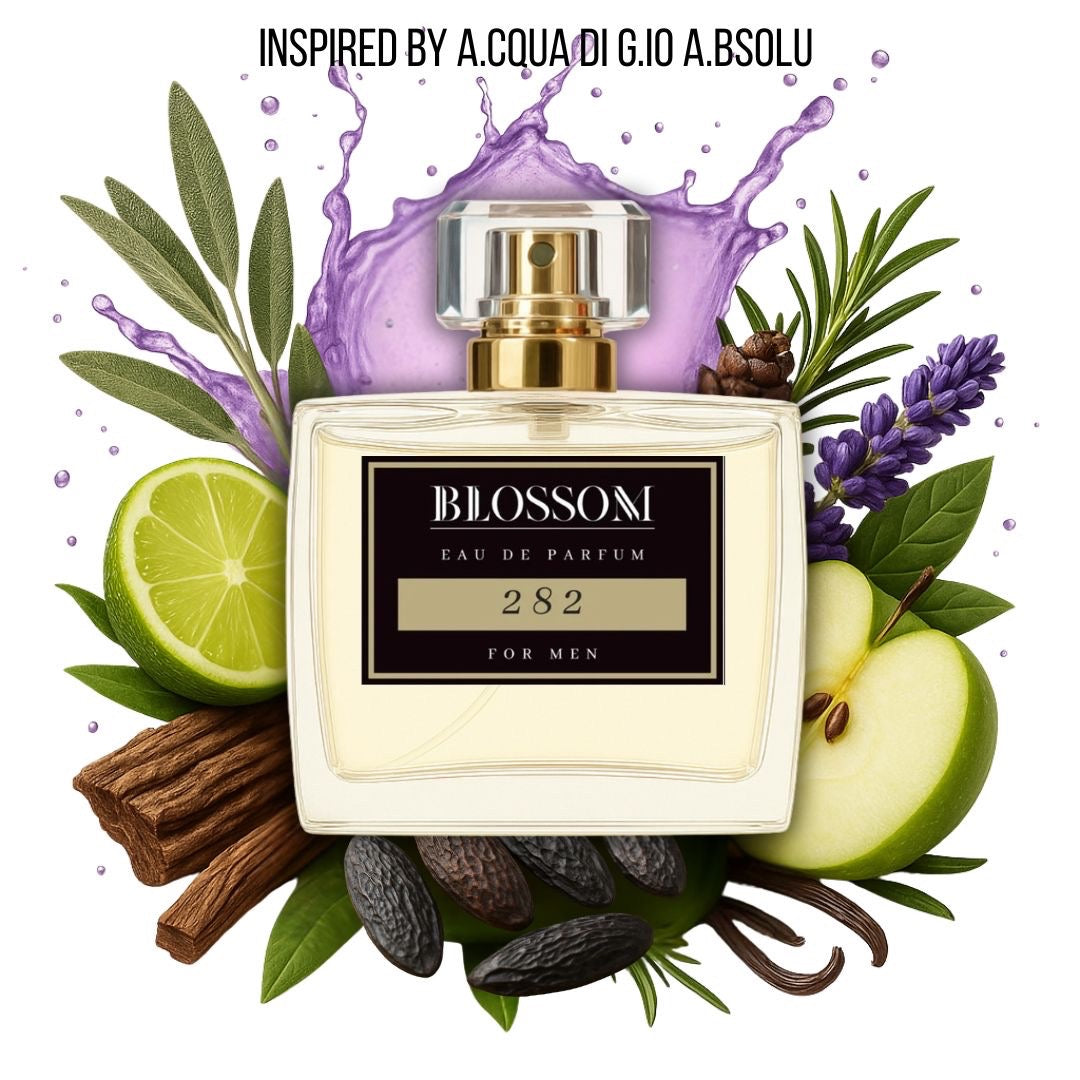
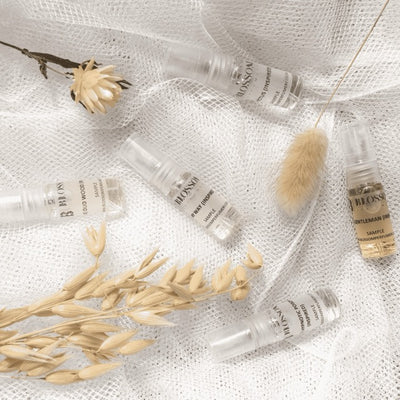
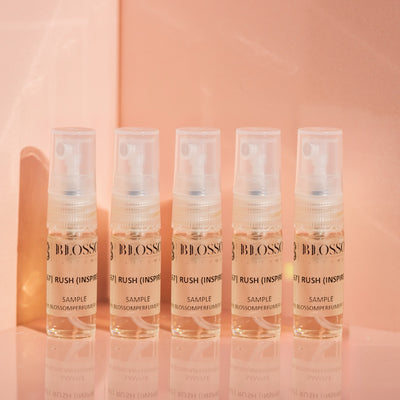
It’s not that Eau de Toilette has lost relevance — far from it. But for many, EDP has become the modern standard, offering the richness people used to associate only with luxury perfume houses. That pursuit of lasting quality is exactly what inspired us - Blossom Perfumery - to offer exclusively Eau de Parfum formulations. Each of our fragrances contains around 19 % perfume oils, achieving the ideal balance of richness, wearability and longevity. We’re striving to fit our customers’ preferences in more ways than just olfactory - pur perfumes are cruelty-free, vegan-friendly, and consciously packaged, proving that performance and ethics can coexist beautifully.
So if you love the lightness of Eau de Toilette but wish it lingered longer, Eau de Parfum may be your perfect next step — and Blossom Perfumery’s collection of women’s perfumes, men’s fragrances and unisex perfumes is designed precisely for that.
EDP vs EDT: Is Eau de Toilette Just "Perfume Lite"?
Have you ever had the chance to compare EDT and EDP versions of the same perfume? A trained nose will find out that the notes are different between the two. When a perfume brand releases both Eau de Parfum (EDP) and Eau de Toilette (EDT) versions of the same scent, in most cases, the formula changes as well. Even if both versions share the same core DNA — say, the same floral or amber scented base — perfumers often reformulate each concentration and rebalance the notes to fit its intended purpose. For instance, an Eau de Toilette perfume might use bergamot and neroli to open with sparkle, whereas the Eau de Parfume version might tone those down and be more patchouli or vanilla scented to boost longevity and richness. That’s because perfume designers have to consider the ingredients - some naturally last longer, some fade faster - as well as fixatives to strike a balance between the volatility of the perfume and the density of its scents. It’s a beautiful dance.
There exists a notion that generally Eau de Parfum (EDP) perfume concentrations are a better choice, but it’s best to try out both versions and choose one that fits you or the occasion you’re going to use it for. Each concentration lets perfumers reinterpret the same idea for a different audience or mood.
For something that literally means “toilet water,” Eau de Toilette has a remarkably elegant story. From its origins as a scented grooming ritual to its modern role as a fresh, wearable perfume concentration, EDT has proven it deserves a permanent place on the fragrance shelf.
Read more about fragrances on our blog
Check out our Eau de Parfum fragrance collection and find your new favourite:
Women’s Perfumes | Men’s Perfumes | Unisex Perfumes | Home Range - Reed Diffusers