
Over the past decade, there has been a clear shift in consumer consciousness. We want beautiful scents, yes — but we also want transparency, responsibility and products that reflect our values. With this shift has come an important question:
What makes a perfume vegan or cruelty-free, and how can you be sure your favourite fragrances align with ethical standards?
Vegan vs Cruelty-Free Perfume — What’s the Difference?
The two terms are often used interchangeably, but they describe two different commitments.
A cruelty-free perfume is one that has not been tested on animals at any stage — neither the finished product nor the individual raw materials, and not by external suppliers or third-party laboratories.
A vegan perfume, meanwhile, is one that contains no animal-derived ingredients at all. Not even tiny traces.
A perfume can be cruelty-free but not vegan (e.g. containing beeswax) and vice versa - a perfume can be vegan but not cruelty-free. A truly ethical fragrance should be both.
And because the perfume industry is complex — with supply chains that span dozens of countries and hundreds of raw materials — many mainstream brands struggle to meet both definitions simultaneously. This is why clarity matters. Ethical perfumery is not just about what’s in the bottle; it’s about the practices that surround it.
<H2> Traditional Animal-Derived Ingredients in Perfumery
To understand why vegan perfumery is so important today, we need to acknowledge the past. Historically, perfumers used a variety of animal-derived materials for their rarity, richness and fixative properties - here are some of the most prevalent ingredients:
-
Musk - Extracted from the musk pod of the male musk deer. Warm, animalic, incredibly long-lasting — but obtained through practices that harmed endangered wildlife.
-
Civet - A secretion scraped from the glands of civet cats. Smooth and sensual, but collected through severe animal cruelty.
-
Castoreum - Taken from the castor sacs of beavers. Used for leathery, smoky accords.
-
Ambergris - A waxy, sweet, oceanic substance formed in the digestive system of sperm whales. Used as a fixative and as a luxury ingredient. Highly prized, extremely rare — and ethically questionable despite its sourcing.
For a long time, these were the only ingredients that could provide the required scent profiles. However, the biggest breakthroughs in modern perfume chemistry have come from the development of synthetic molecules and plant-based ingredients that replicate — or improve upon — traditional scent profiles.
Modern alternatives include:
-
Synthetic musks that provide clean, soft, long-lasting warmth
-
Ambroxan, Cetalox and amber molecules that replace ambergris and create radiant depth
-
Plant resins and balsams (e.g., benzoin, labdanum, tolu balsam) that add complexity
-
Biotechnological molecules produced through fermentation, offering natural-smelling yet fully ethical components
Today, nearly all perfumers — from niche houses to big brands — are moving away from animal-derived ingredients. They offer similar depth and longevity, are ethical, and also incredibly reliable. They allow perfumers to work with ingredients of controlled purity and consistency, unaffected by weather conditions or animal welfare concerns.
You could say that in many ways, vegan perfumery is simply better perfumery for the planet, the perfumer, and you.
Where Animal Testing Still Appears — Even When Brands Avoid It
Unfortunately, ethical claims in perfumery can sometimes be unclear or inconsistent. Whether it’s the lack of transparency or intentional misleading (proudly displaying cruelty-free statements, but only a part of a brand’s offer is cruelty-free), you may not be 100% sure if a perfume aligns with your values. That’s why it’s good to stay aware and vigilant when checking out a brand. You can always reach out to the company and ask as a consumer, or visit dedicated sites that investigate and list companies with confirmed information or unclear policies.
The term “cruelty-free” is more complex in perfumery than most consumers realise. A brand might avoid animal testing themselves, yet:
-
a supplier of raw materials may still test ingredients,
-
a contract research organisation may test on the brand’s behalf,
-
the brand may sell in countries that require animal testing for registration,
-
older ingredients may have been historically tested under legacy regulations.
True cruelty-free commitment requires a brand to monitor every stage of production, not just the final step. This is why vegan and cruelty-free certification remains uncommon in mainstream perfume — the industry’s structure makes it complicated to guarantee.
That doesn’t mean it’s impossible, though. We believe ethical fragrance should be both beautiful and accessible. Every one of our perfumes is:
-
100% cruelty-free and vegan-friendly
-
crafted at Eau de Parfum strength for long-lasting wear,
-
created using modern, ethical, plant-based and synthetic alternatives,
-
made in the UK,
-
packaged with eco-conscious materials.
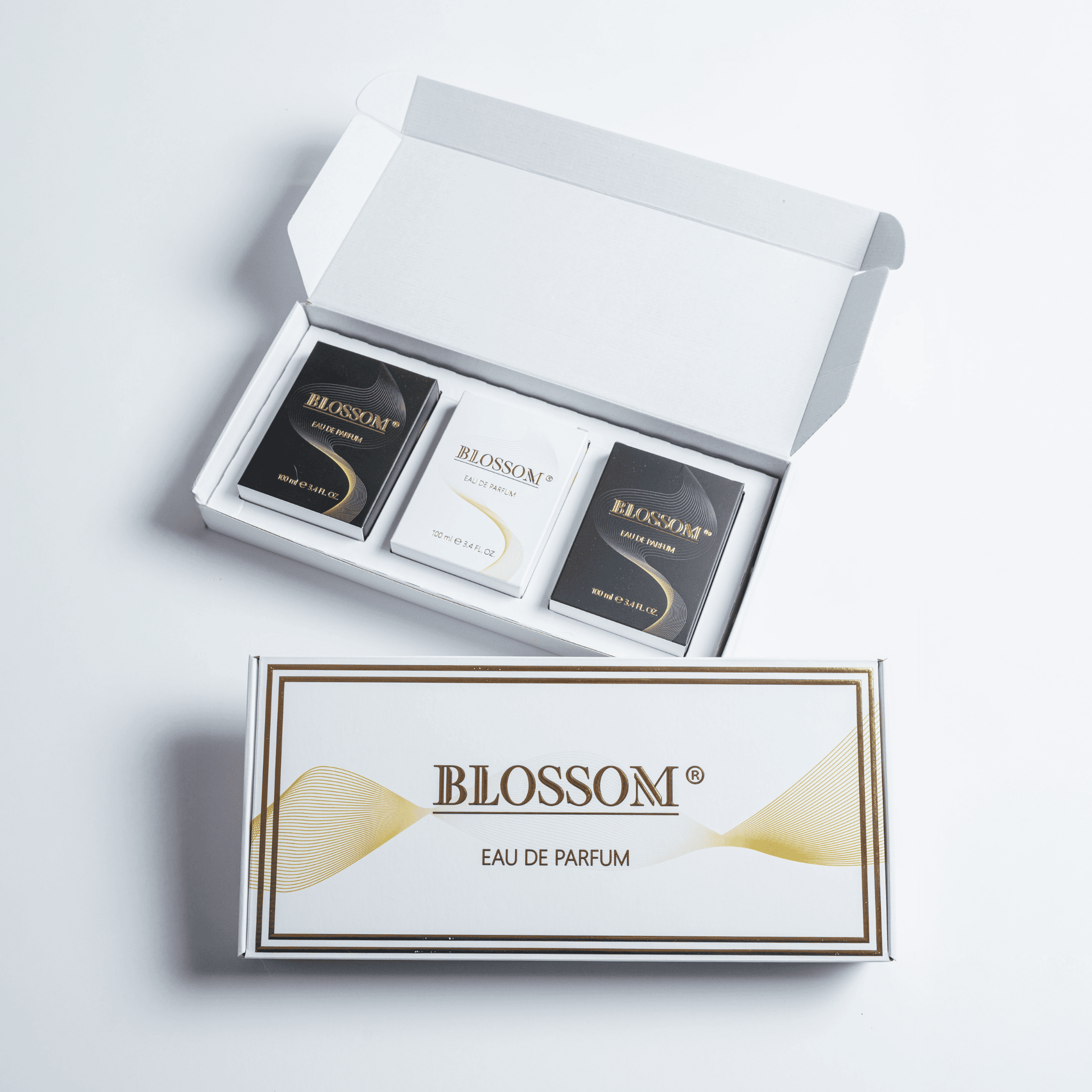
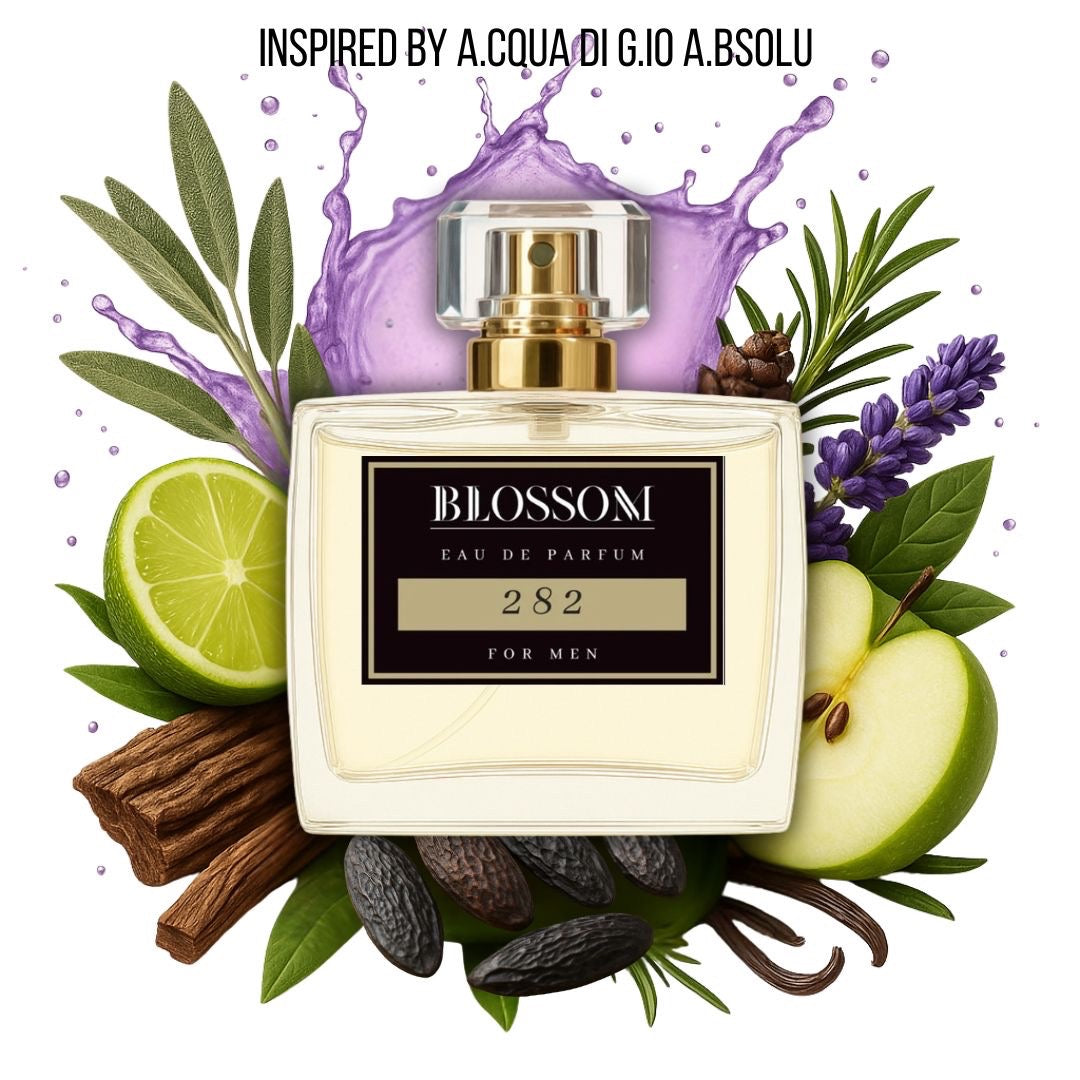
Blossom Perfumery fragrances are inspired by the designer scents you love — not to imitate them, but to offer long-lasting, ethical interpretations crafted with integrity and care.
Explore our fragrances made with passion and commitment to ethical values:
Women’s Perfumes | Men’s Perfumes | Unisex Perfumes

Ethical Fragrances Are the Future of Perfumery
Perfumery is undergoing a quiet revolution — one powered not by marketing or trends, but by genuine progress. Vegan and cruelty-free fragrances prove that modern scent doesn’t need to rely on outdated practices to deliver richness, depth or longevity. Instead, it thrives on innovation: sophisticated synthetic molecules, sustainable botanical ingredients and ethical formulation standards that elevate the craft rather than diminish it.
Understanding how ethical perfumery works gives you the freedom to choose with confidence. It allows you to appreciate not just how a fragrance smells, but how it came to be — and what it stands for. The more consumers embrace this awareness, the more the industry will move toward transparency, accountability and creativity without compromise.
Ethical perfumery isn’t simply an alternative path — it’s where the future is already heading. And those who choose vegan fragrance today aren’t just wearing something beautiful; they’re helping shape a more thoughtful, responsible world of perfumes for tomorrow.