
Most people approach fragrance the same way regardless of season. They find something they like, they wear it consistently, and they don’t give it much more thought. In cooler months, that works reasonably well. In summer, it tends to quietly unravel.
Heat changes how perfume performs in ways that catch most people off guard. It amplifies certain notes, accelerates the dry-down, affects how long a scent lasts, and can turn something that smells elegant in October into something overwhelming in July. None of this is obvious until you know what to look for — which is exactly what this article is for.
Mistake One: Overapplying Because You Can’t Smell It
This is the most common summer fragrance mistake, and it compounds quickly. You spray your usual amount, step outside into the heat, and within twenty minutes you can barely detect it on yourself. So you apply more. The problem is that what feels like absence to your nose is often presence to everyone else.
Warm skin amplifies fragrance projection significantly. The heat causes the molecules to diffuse faster and radiate further from the body — which means a scent that feels invisible to the wearer can be quite intense to those standing nearby. The reason you can’t smell it is largely down to olfactory adaptation: your brain has filtered it out because it’s been present since you applied it. The scent is there. You’ve simply stopped registering it.
This is worth understanding properly before summer arrives. Our article on why you stop smelling your own perfume goes into the mechanism in detail. The short answer: in summer, apply less than you think you need, not more. One or two sprays to pulse points is almost always sufficient when the temperature is high.
Mistake Two: Wearing Your Winter Fragrance Straight Through
A rich, woody oriental that you reach for automatically from October to March is not going to behave the same way in summer. Dense, heavy fragrances are built for cool air. They need lower temperatures to diffuse slowly and comfortably. In heat, they can become cloying and overpowering — not because they’re bad fragrances, but because they’re working in conditions they weren’t designed for.
This is where most people get it wrong: they assume that if a fragrance works well in winter, it’s a good fragrance full stop. Depending on the way you look at it, fragrance is seasonal by nature. The same nose that tells you a dark, smoky scent is beautiful in February will tell you it’s too much in August. Both assessments are correct.
Summer calls for lighter construction — fresh florals, citrus-forward scents, clean musks, aquatics. These are fragrances that work with heat rather than against it. If you’re not sure where to start, our guide to the best perfume dupes for summer covers the strongest options across both men’s and women’s fragrance.
Mistake Three: Ignoring How Heat Affects Longevity
There’s a widespread assumption that warm skin makes fragrance last longer. The reality is more nuanced. Heat accelerates the evaporation of top and middle notes, which means the opening phase of a fragrance — the part you smell most clearly in the first hour — passes more quickly in summer than in winter. What’s left is the base, often sooner than you’d expect.
For some fragrances this isn’t a problem — the base is just as appealing as the opening. For others, it means the scent you were drawn to in the first place fades quickly into something less interesting. This is worth factoring into which summer fragrances you choose, not just how you apply them.
Hydrated skin also holds fragrance better than dry skin, which tends to be more of an issue in summer when sun exposure and swimming can leave skin drier than usual. Applying an unscented moisturiser before your fragrance — or using a matching body lotion if available — makes a genuine difference to how long a scent lasts in warm conditions.
Mistake Four: Applying to the Wrong Places
Pulse points — wrists, neck, the inside of the elbow — are the standard advice for fragrance application, and in summer they remain relevant. But the mistake people make is applying too close to where others will immediately encounter it. Spraying heavily to the wrists and then shaking hands, or applying to the neck in a close social setting, can project far more intensely in heat than you intend.
In summer, lower pulse points — behind the knees, the inner ankle — can actually work better. The warmth still activates the fragrance, but it diffuses upward and outward more gently rather than hitting immediately at face level. For a full breakdown of application technique, our article on how to apply perfume so it lasts longer covers everything worth knowing.
Mistake Five: Not Adjusting for Skin Chemistry in the Heat
Skin chemistry affects fragrance at any time of year, but summer introduces variables that don’t exist in cooler months. Sweat, sun cream, and increased sebum production can all interact with a fragrance in ways that alter how it smells on you specifically — sometimes subtly, sometimes significantly.
Sun cream in particular is worth being aware of. Its chemical composition can interact with certain fragrance notes — musks especially — and change how they read on the skin. This doesn’t mean avoiding fragrance when you’re wearing sun protection, but it does mean that a scent that smells one way in spring might smell noticeably different on a beach in July.
If you’ve ever found that a fragrance you love performs strangely in summer, this is often why. Our article on how skin affects perfume scent goes deeper on the chemistry involved and is worth reading if this is something you’ve noticed.
Mistake Six: Wearing the Same Scent Day and Night
This one is less about fragrance performance and more about making the most of what fragrance can do for you. A single scent worn from morning to midnight on a summer day is leaving something on the table.
The shift from a warm afternoon to a summer evening is one of the most distinct contextual transitions in daily life. The temperature drops, the setting changes, the mood shifts - you and the world arund you feel bit different. Thus, a light, fresh fragrance that felt perfect at noon can feel slightly underdressed by ten o’clock at night. Switching scents as the day moves into evening is a small habit with a disproportionate effect on how put-together you feel.
If you’re not sure how to approach that split, our article on day vs night summer perfumes breaks it down clearly — what to look for in each, and how to choose scents that work together as a pair.
Getting Summer Fragrance Right
None of these mistakes are difficult to avoid once you’re aware of them. The common thread across all of them is the same: summer is a different environment, and fragrance responds to environment. Treating warm weather the same as cool weather is where most people go wrong.
Apply less. Choose lighter constructions. Account for how heat changes longevity. Be aware of what sun and skin chemistry do to a scent. Switch between day and evening fragrances if the occasion calls for it. These are small adjustments, but they make a real difference to how your fragrance performs and how it’s received.
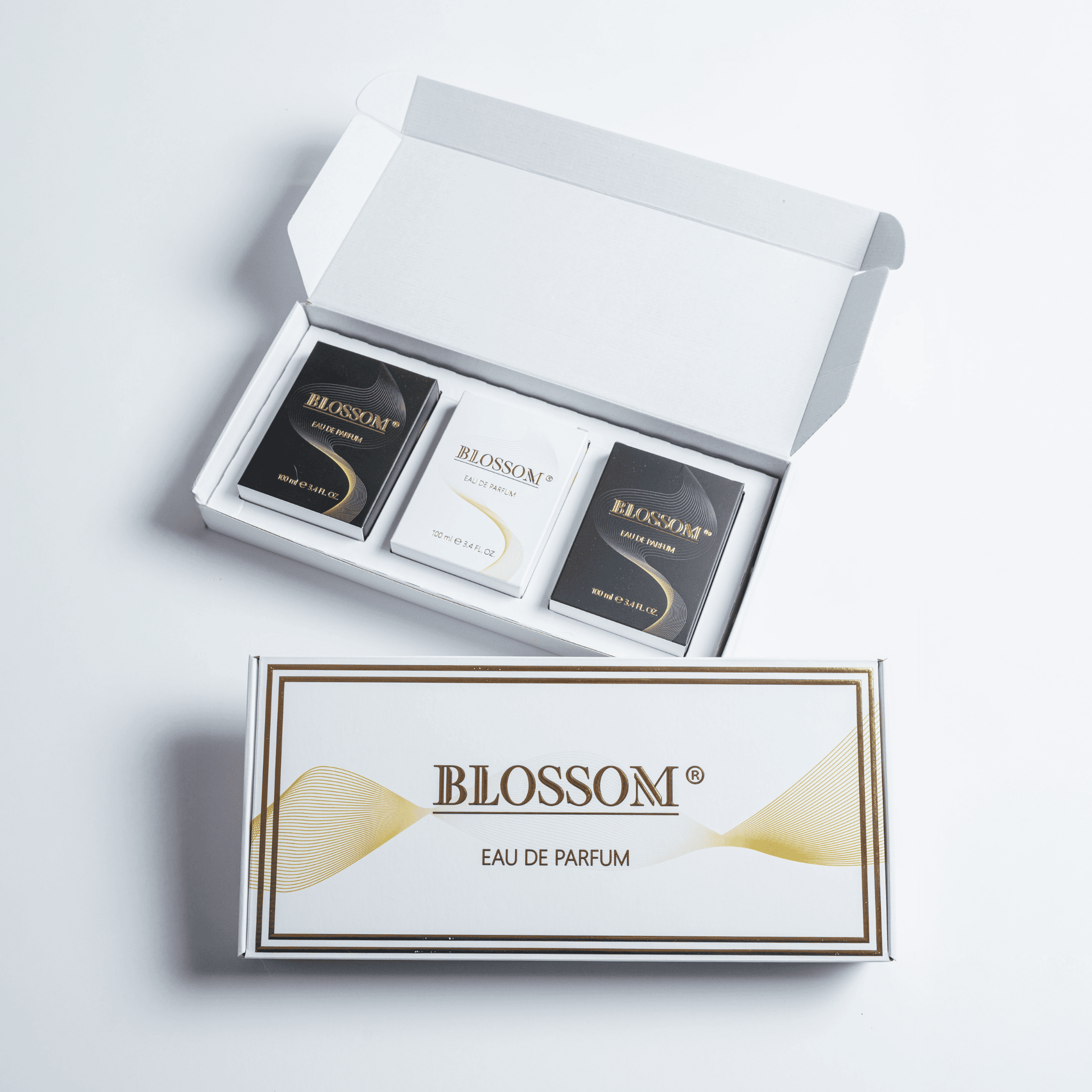
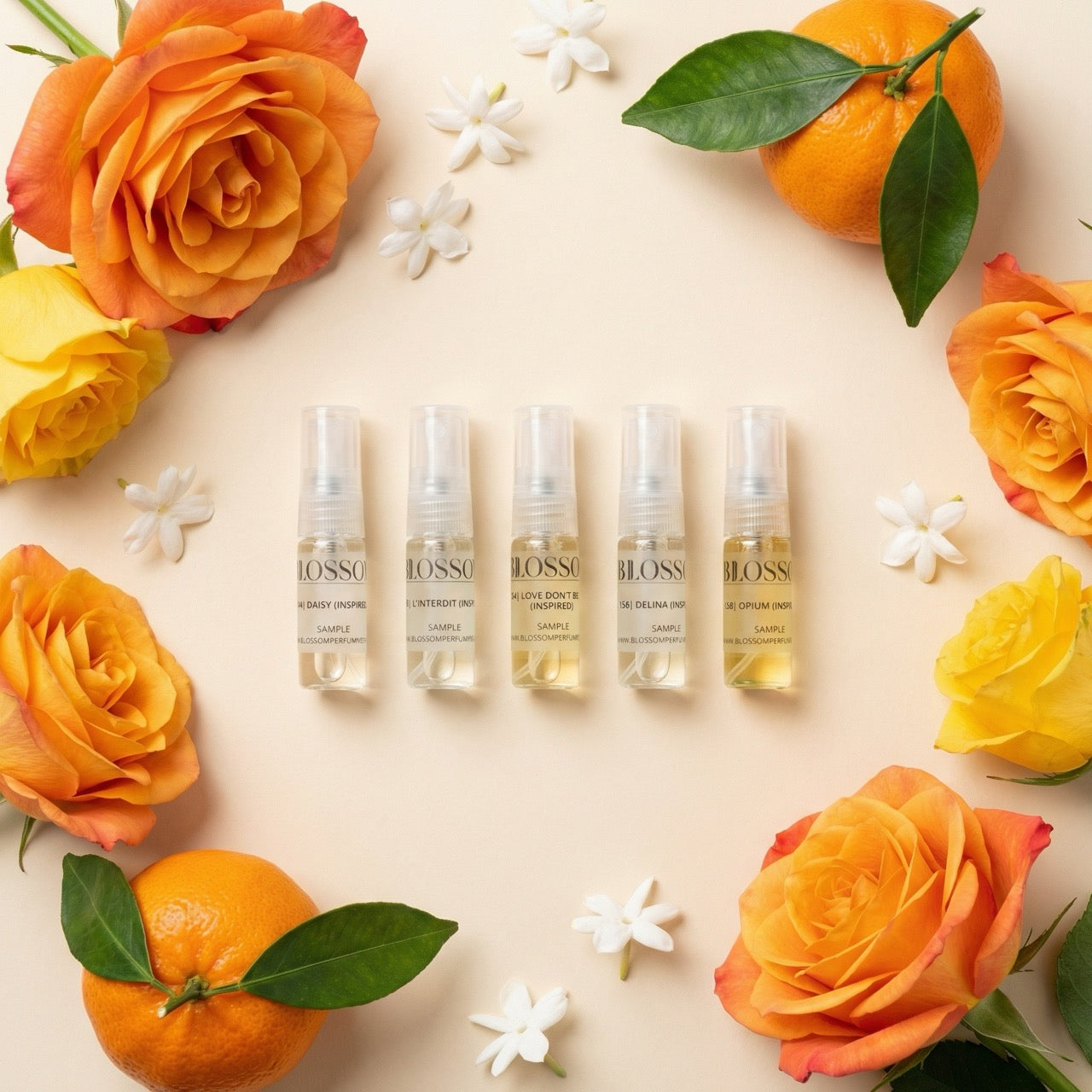
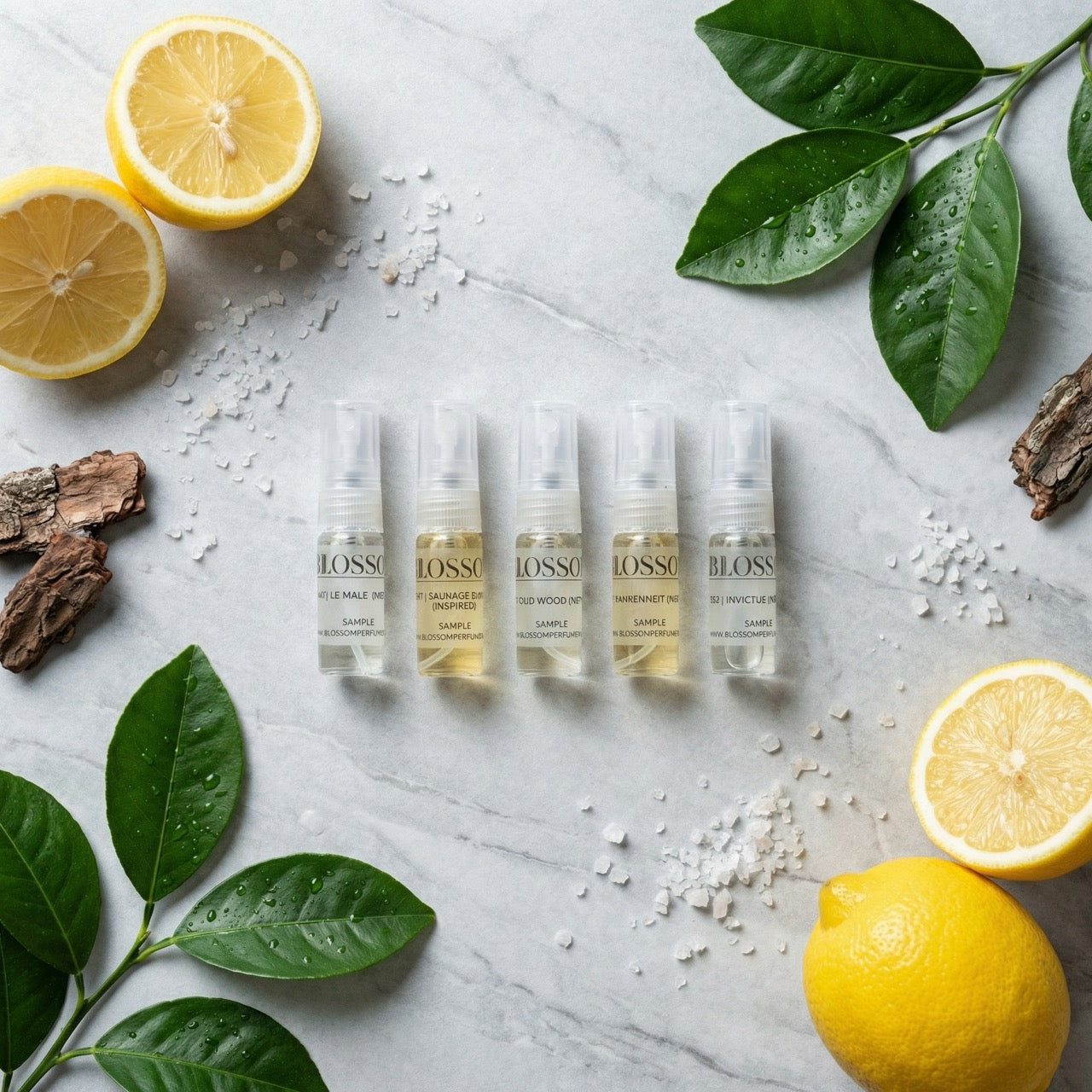
If you’re looking to build out your summer fragrance collection, browse the women’s collection and men’s collection for scents suited to the season — or start with a sample bundle to try a few options before committing. Getting summer fragrance right is easier than most people think. It just requires knowing where to start.
Finding the right perfume a bit tricky? Discover your perfect match with us.