
You spray your perfume in the morning. It smells incredible. Fresh, balanced, exactly how you imagined.
By lunchtime, you’re pressing your wrist to your nose wondering if it’s disappeared.
Sound familiar?
One of the most common frustrations in fragrance is the feeling that a perfume “doesn’t last.” It leads people to assume the formula is weak, the brand is poor, or they simply chose the wrong scent. In reality, perfume longevity is rarely that simple.
Before replacing your bottle, it’s worth understanding how scent performance actually works — because in most cases, the issue isn’t the perfume itself.
The Biggest Myth: Expensive Means Long-Lasting
Luxury pricing does not automatically equal better performance.
Many well-known designer fragrances are formulated as Eau de Toilette (EDT), which typically contains between 5–15% perfume oil. These compositions are intentionally lighter and airier. They’re designed to feel fresh and wearable — but that often means they fade more quickly.
On top of that, reformulations over the years can subtly adjust strength. Ingredient regulations change. Ownership changes. Budgets shift. Consumers frequently notice that certain fragrances no longer perform the way they did a decade ago.
Price often reflects marketing spend, retail space, packaging, and branding — not just oil concentration.
Longevity depends far more on structure, formulation balance, and how the perfume interacts with you personally.
Your Skin Chemistry Plays a Bigger Role Than You Think
Perfume is not static. It reacts.
Skin type alone can dramatically change how long a fragrance lasts. Dry skin tends to absorb scent more quickly, causing top notes to evaporate faster. Oily skin usually retains fragrance longer because oils help anchor scent molecules.
Hormones, body temperature, and even diet can subtly influence projection. Warm skin amplifies fragrance diffusion. Colder skin holds scent closer.
If your perfume fades quickly, your skin chemistry may be the main factor — not the bottle itself.
If you’d like to explore this more deeply, we cover the science behind it here:
How Skin Affects Perfume Scent?
Understanding your chemistry alone can transform how you judge perfume performance.
Small Application Mistakes That Reduce Longevity
How you apply fragrance matters more than most people realise.
Many people spray perfume on dry skin immediately after showering. Hydrated skin holds fragrance far better. Applying a light, unscented moisturiser first gives the fragrance oils something to cling to.
Rubbing wrists together is another common habit. While it feels natural, friction can slightly alter how the top notes evaporate and accelerate dissipation.
Applying only one light spray may also limit performance. Most Eau de Parfum formulas are designed to bloom gradually. One minimal spray often isn’t enough for noticeable longevity.
Clothing can help carry scent longer than skin alone. Fabric doesn’t have the same chemistry as skin, meaning fragrance can remain more stable and noticeable throughout the day — provided you spray lightly and carefully.
These adjustments seem small, but together they can add hours to wear time.
EDT vs EDP: Why Concentration Changes Everything
One of the most misunderstood aspects of fragrance performance is concentration.
Eau de Toilette and Eau de Parfum are not the same strength. An Eau de Parfum typically contains around 15–20% perfume oil, while EDT formulas are usually lighter.
That difference significantly influences longevity.
However, more concentration is not always better. Formulas above 25–30% oil can sometimes feel dense, overly linear, or unbalanced. Perfumers often consider the 18–20% range a performance sweet spot — strong enough for noticeable wear, balanced enough to remain elegant.
If you’re curious about how concentration works in detail, including why higher percentages aren’t automatically superior, we explain it thoroughly here:
Why Most Perfumes Have 20% Fragrance Oil Concentration — and Why More Doesn’t Mean Better
Knowledge of perfume oil concentration alone can save you from making expensive mistakes.
Heat, Storage and Environment Matter More Than You Realise
Even the best formulation can struggle in poor storage conditions.
Heat accelerates fragrance breakdown. Leaving a bottle in direct sunlight or storing it in a warm bathroom exposes it to constant temperature shifts and humidity.
Light can degrade scent molecules over time. Fluctuating environments weaken structure gradually, and the result often feels like weaker longevity.
Perfume thrives in cool, dry and stable conditions. A drawer or wardrobe shelf is far more suitable than a windowsill or bathroom cabinet.
Climate plays a role too. In colder months, fragrance stays closer to the skin. In warmer temperatures, projection increases — but evaporation can happen more quickly. This is why a scent may feel stronger in summer yet fade faster on certain skin types.
Why Some Perfume Dupes Actually Last Longer Than Designer Originals
This part surprises many people.
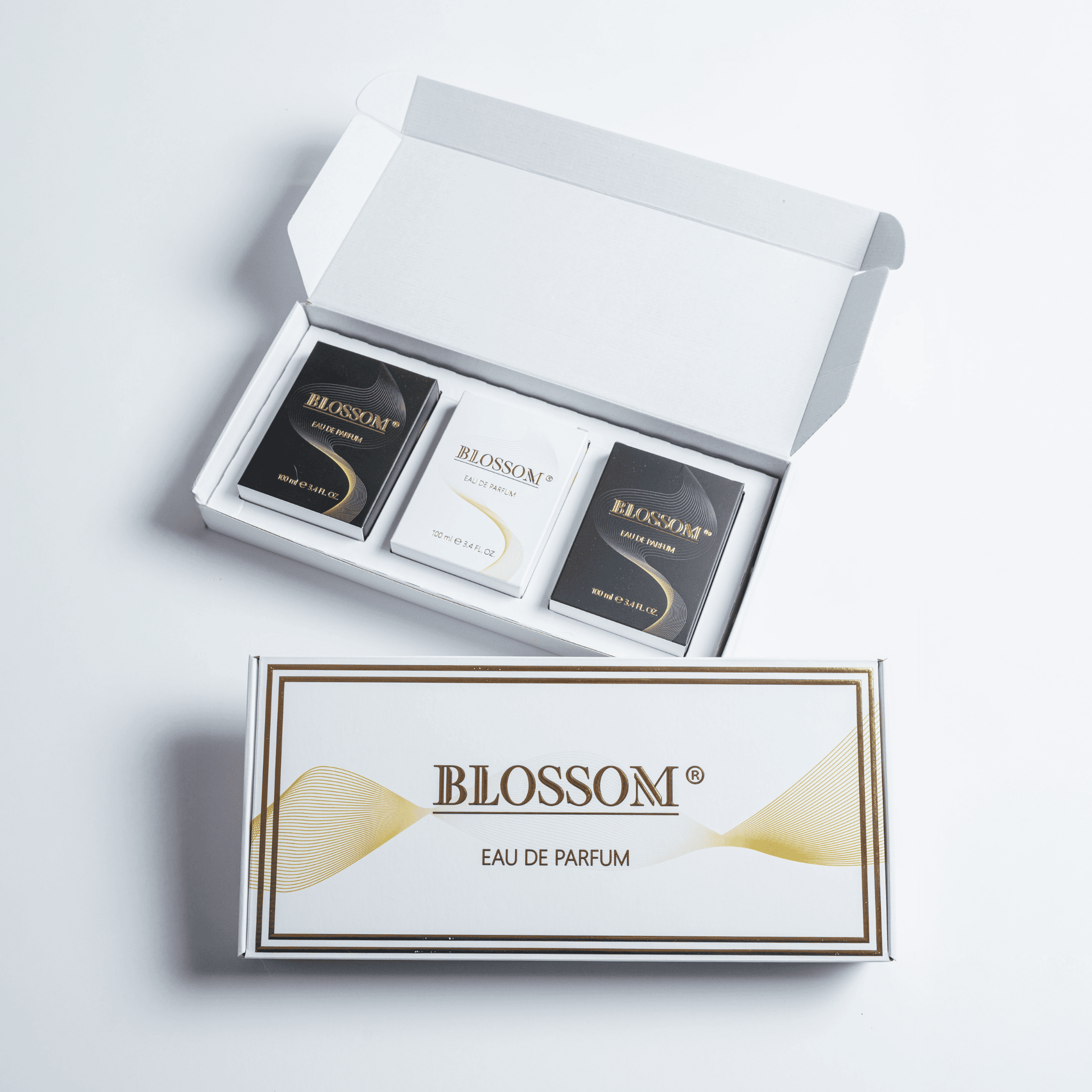
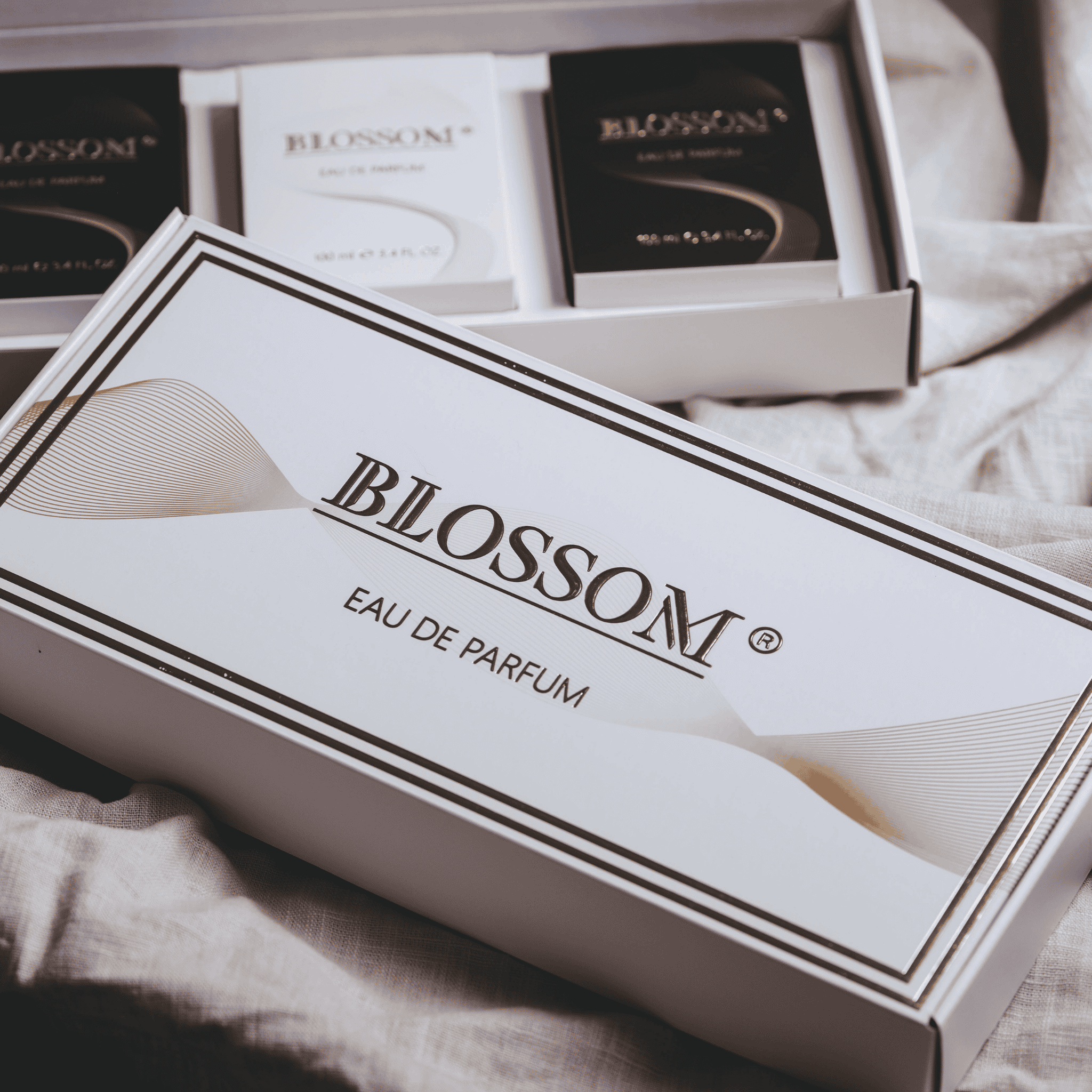
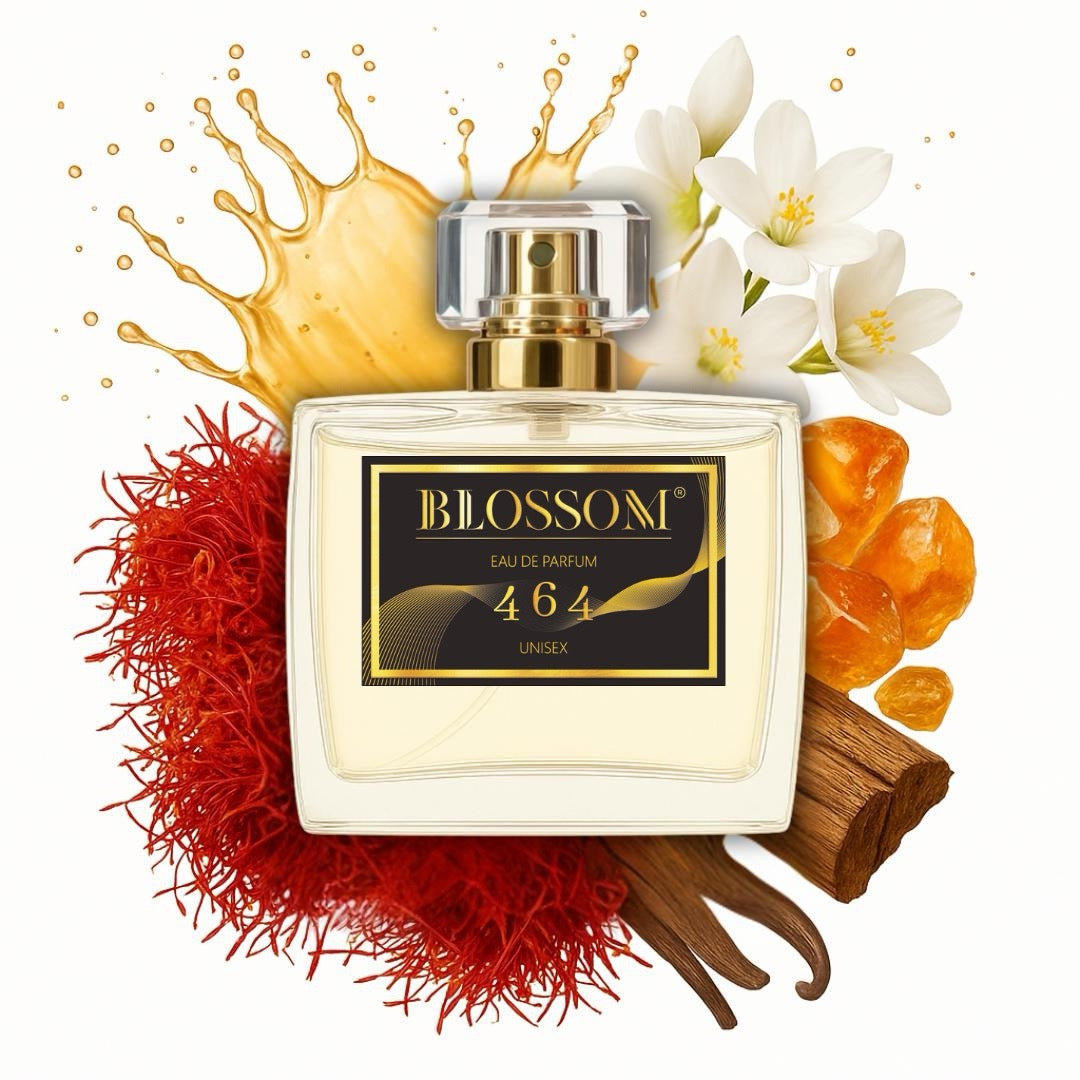
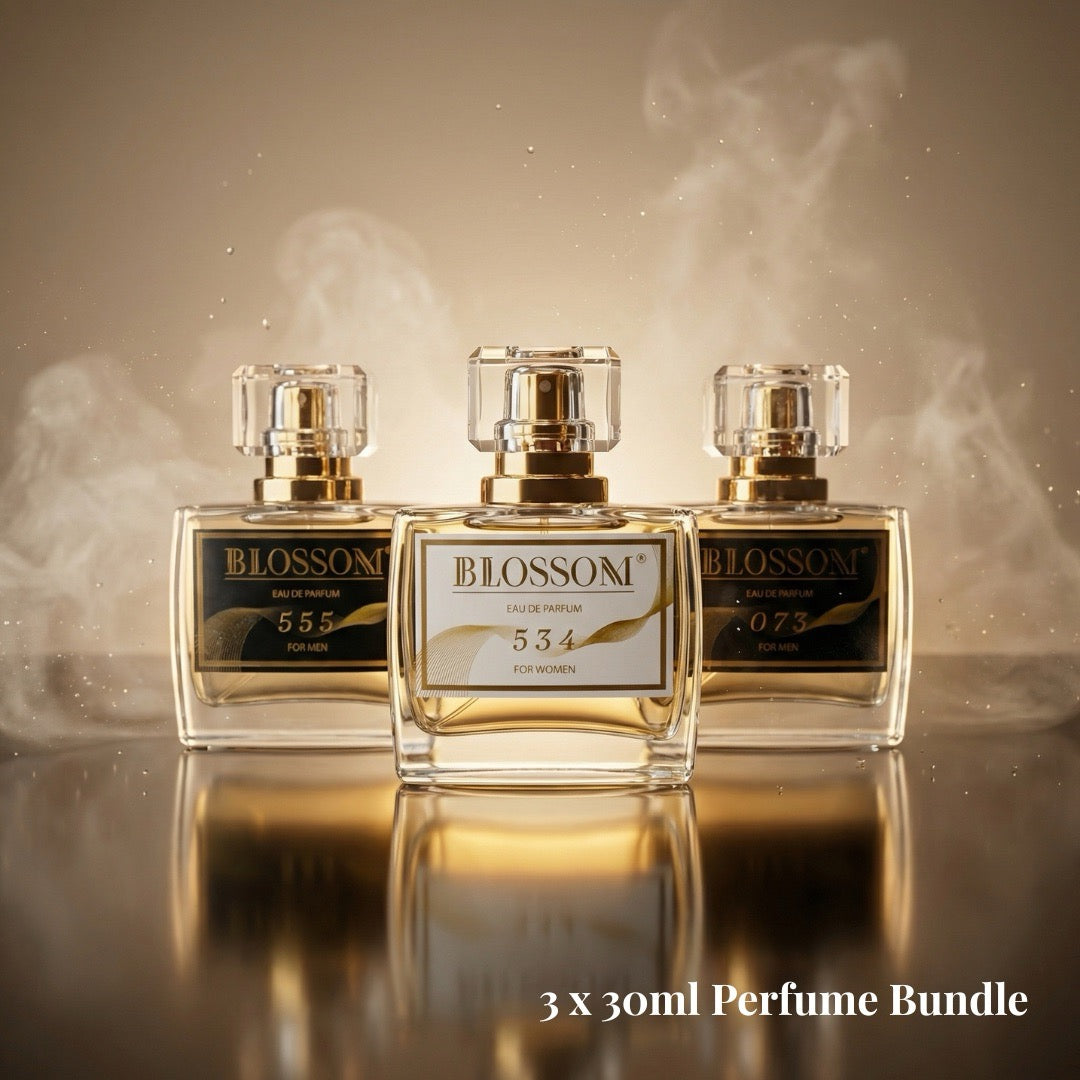
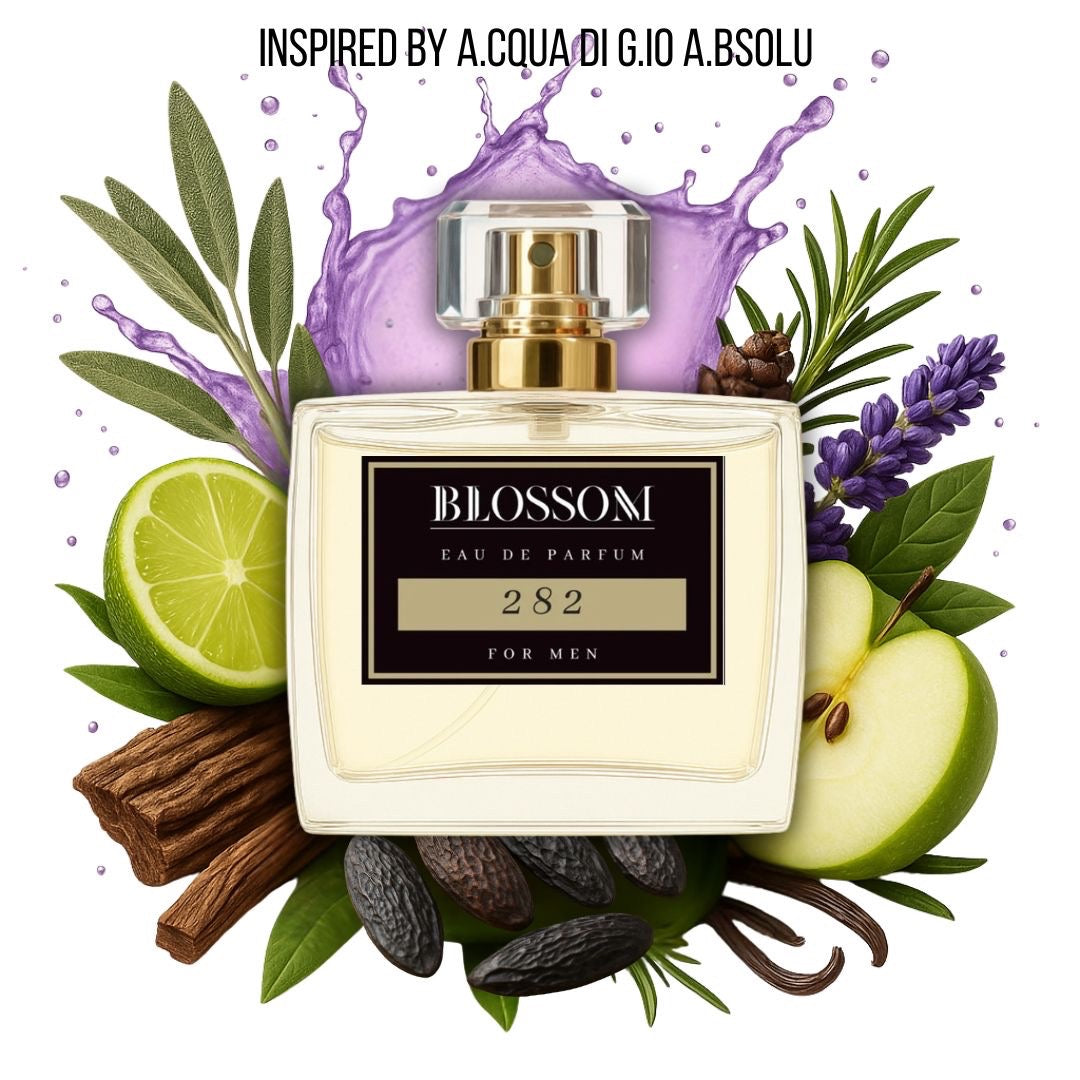
Some designer fragrances are sold primarily as Eau de Toilette. Meanwhile, many inspired fragrances — including Blossom’s collection — are formulated exclusively as Eau de Parfum with 19% perfume oil concentration.
That higher oil content alone can increase wear time compared to lighter EDT counterparts.
Additionally, inspired fragrance brands often allocate less budget to celebrity marketing campaigns and elaborate packaging. That allows more focus on formula quality and performance consistency.
The result is sometimes unexpected: a perfume dupe that lasts as long — or longer — than the original inspiration.
Longevity ultimately depends on formulation decisions, not prestige positioning.
What To Do If Your Perfume Still Doesn’t Last
If you’ve adjusted storage and application and still feel disappointed, consider experimenting strategically.
First, test the fragrance properly. Skin chemistry can evolve. Sometimes, applying to clothing in addition to skin changes your experience entirely.
Second, explore slightly warmer fragrance families if longevity is your primary goal. Woody, amber, gourmand and musky bases often anchor scent molecules more effectively than airy citrus compositions.
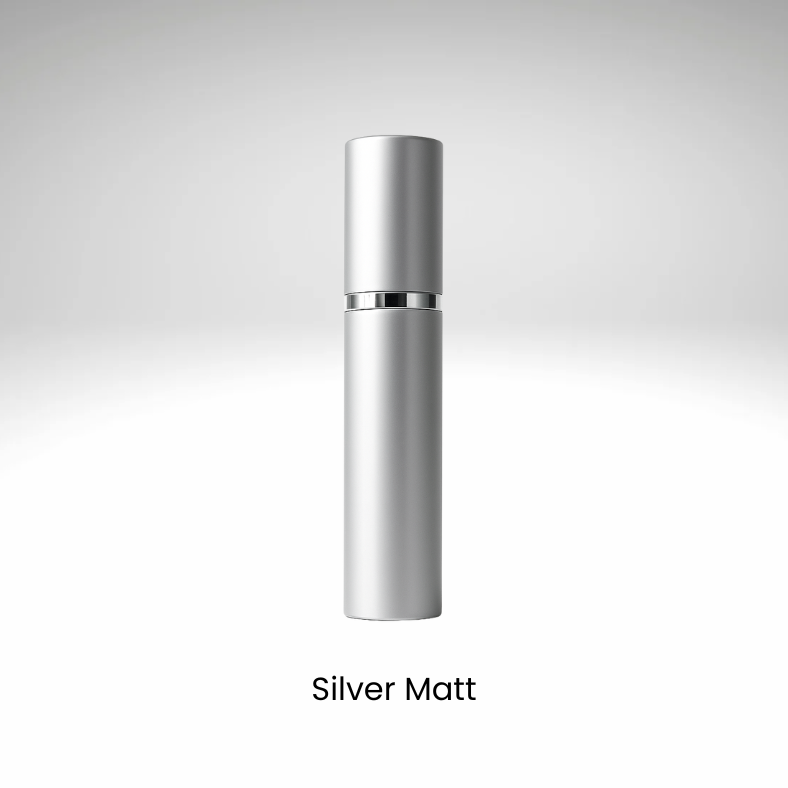
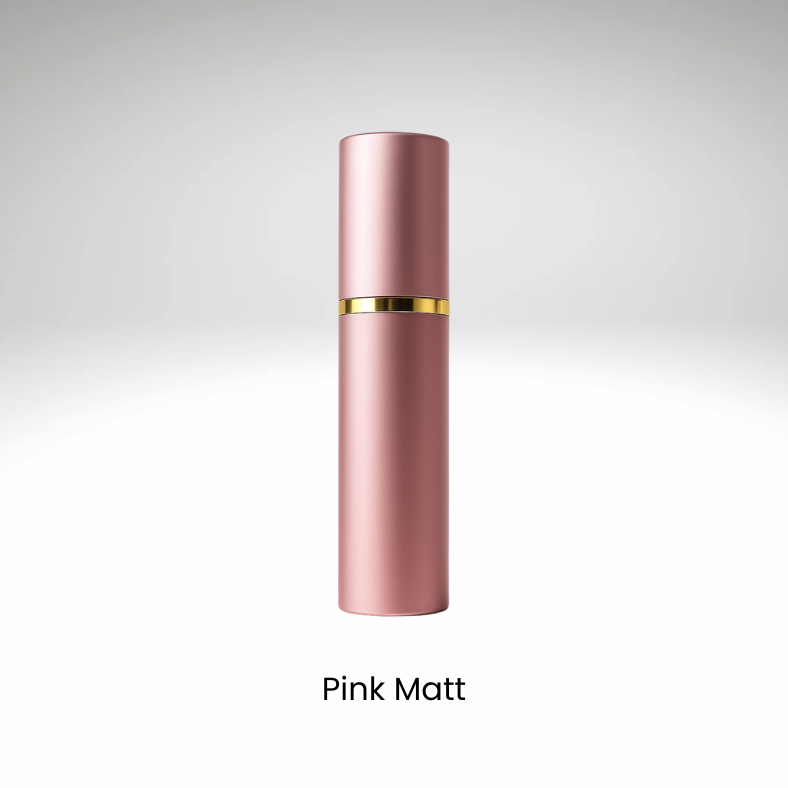
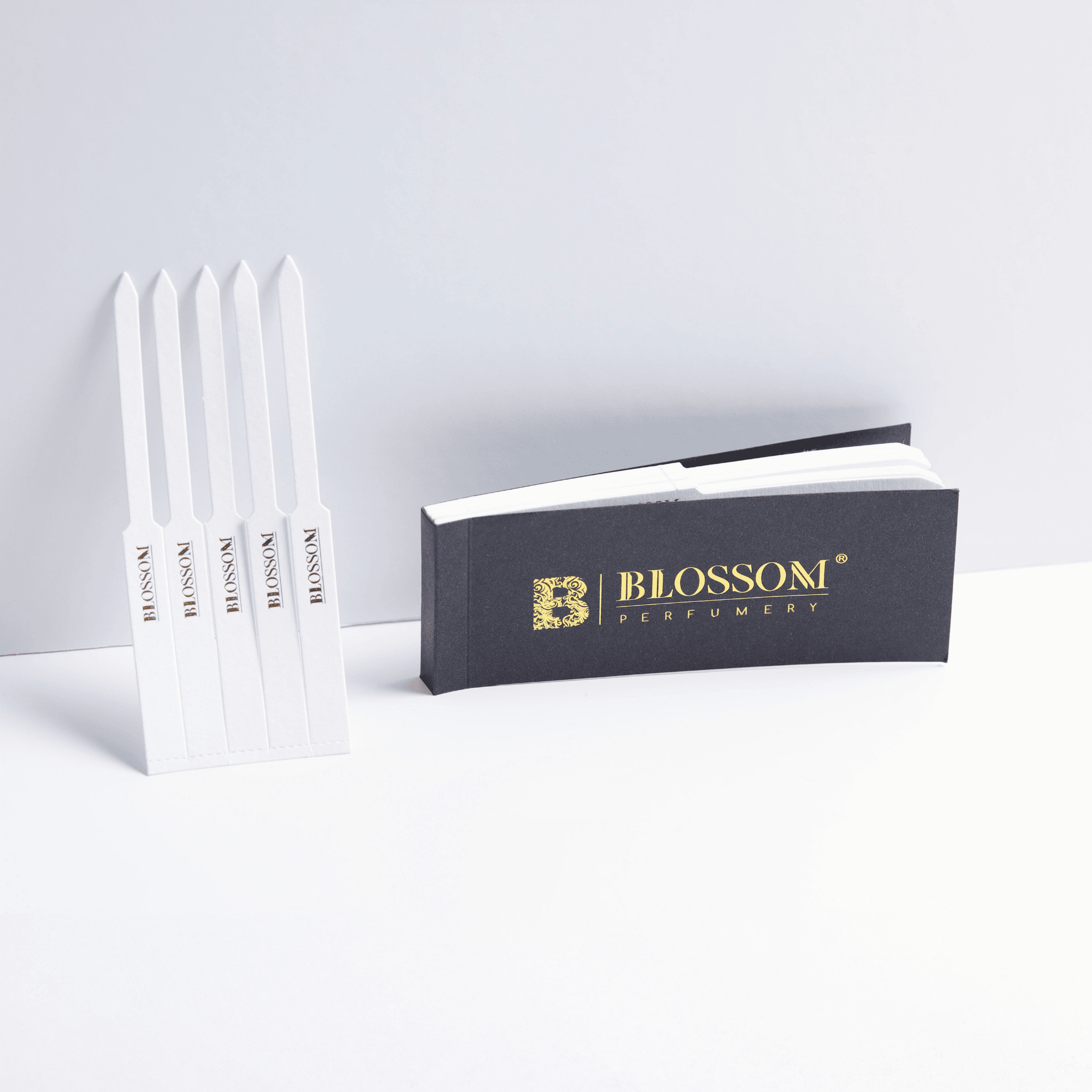
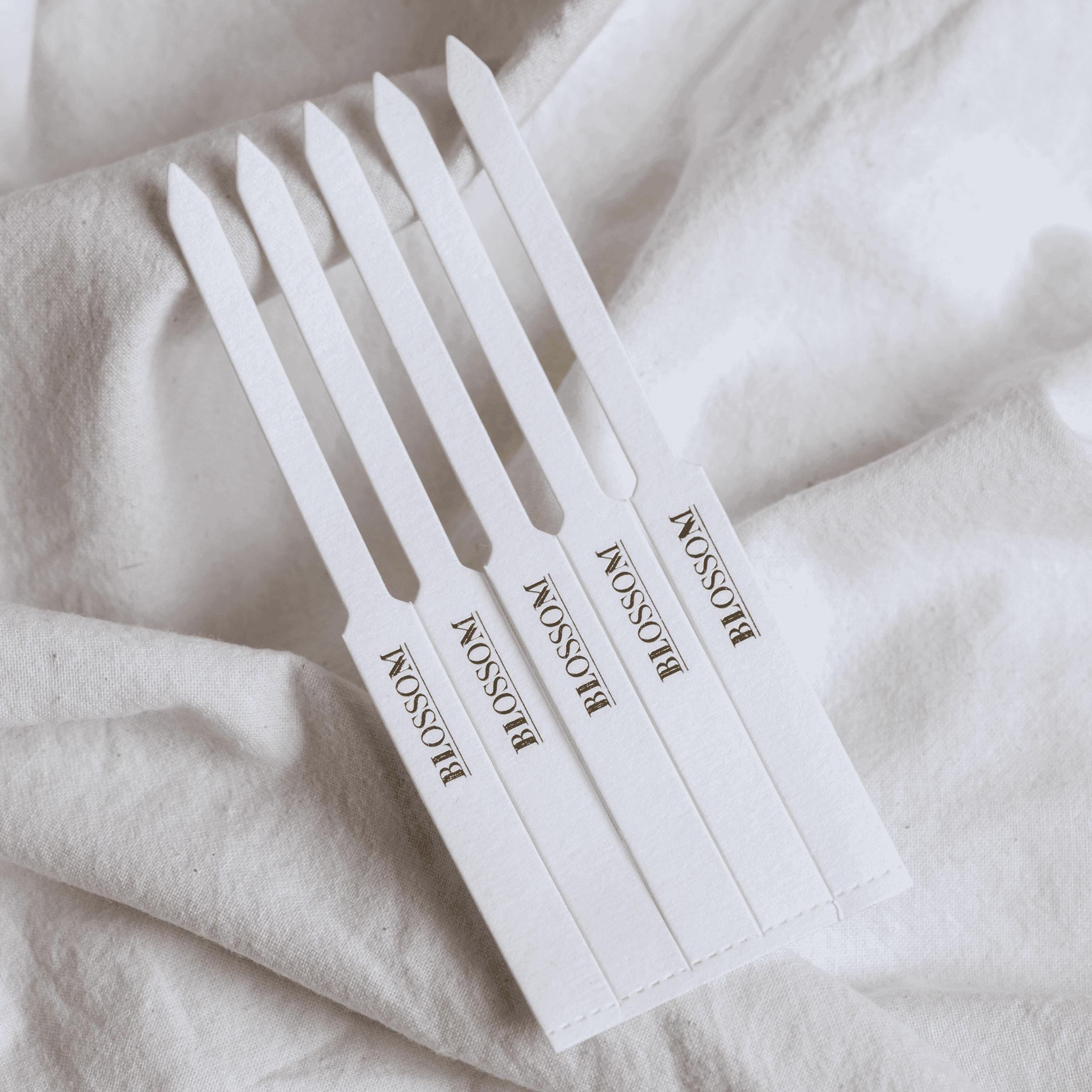
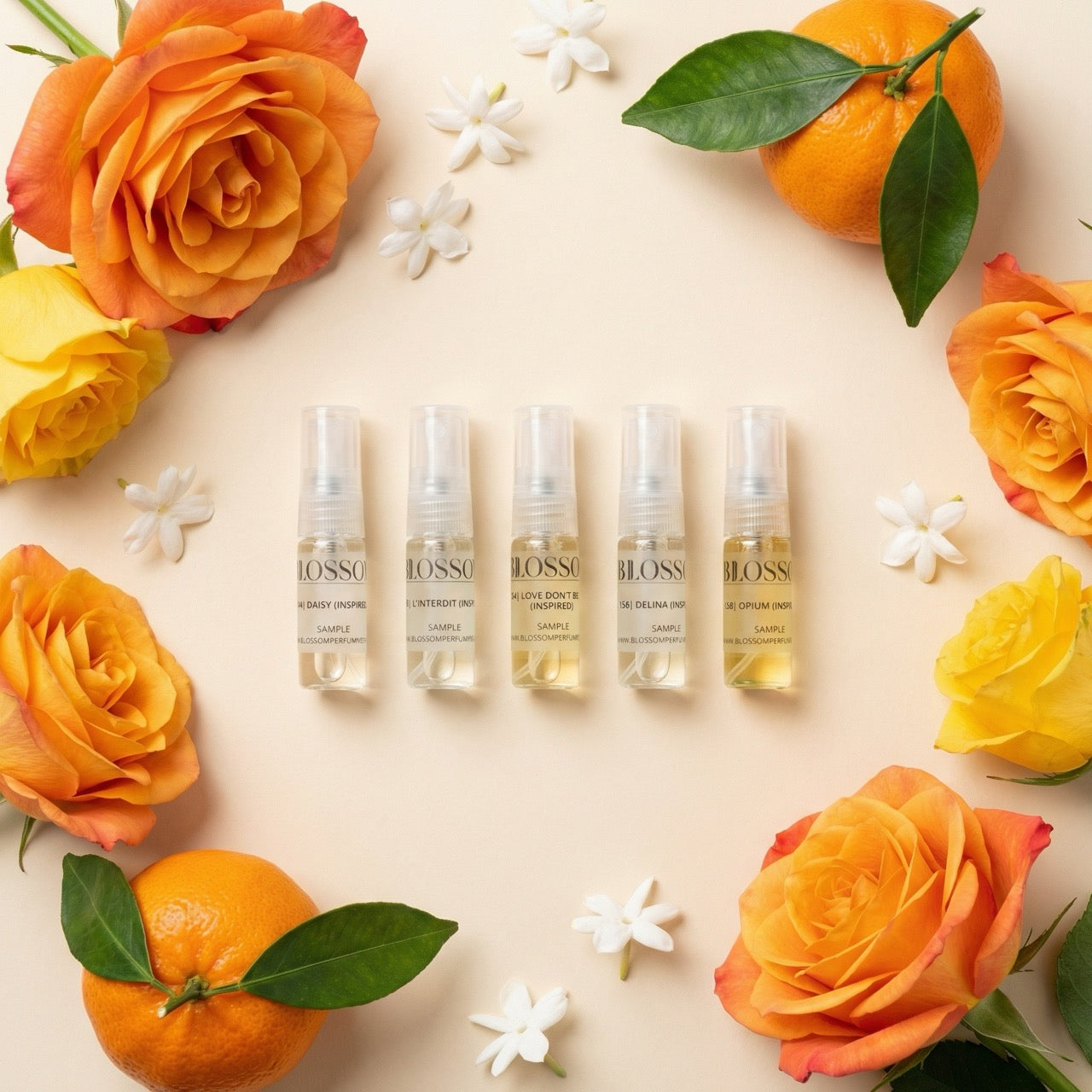
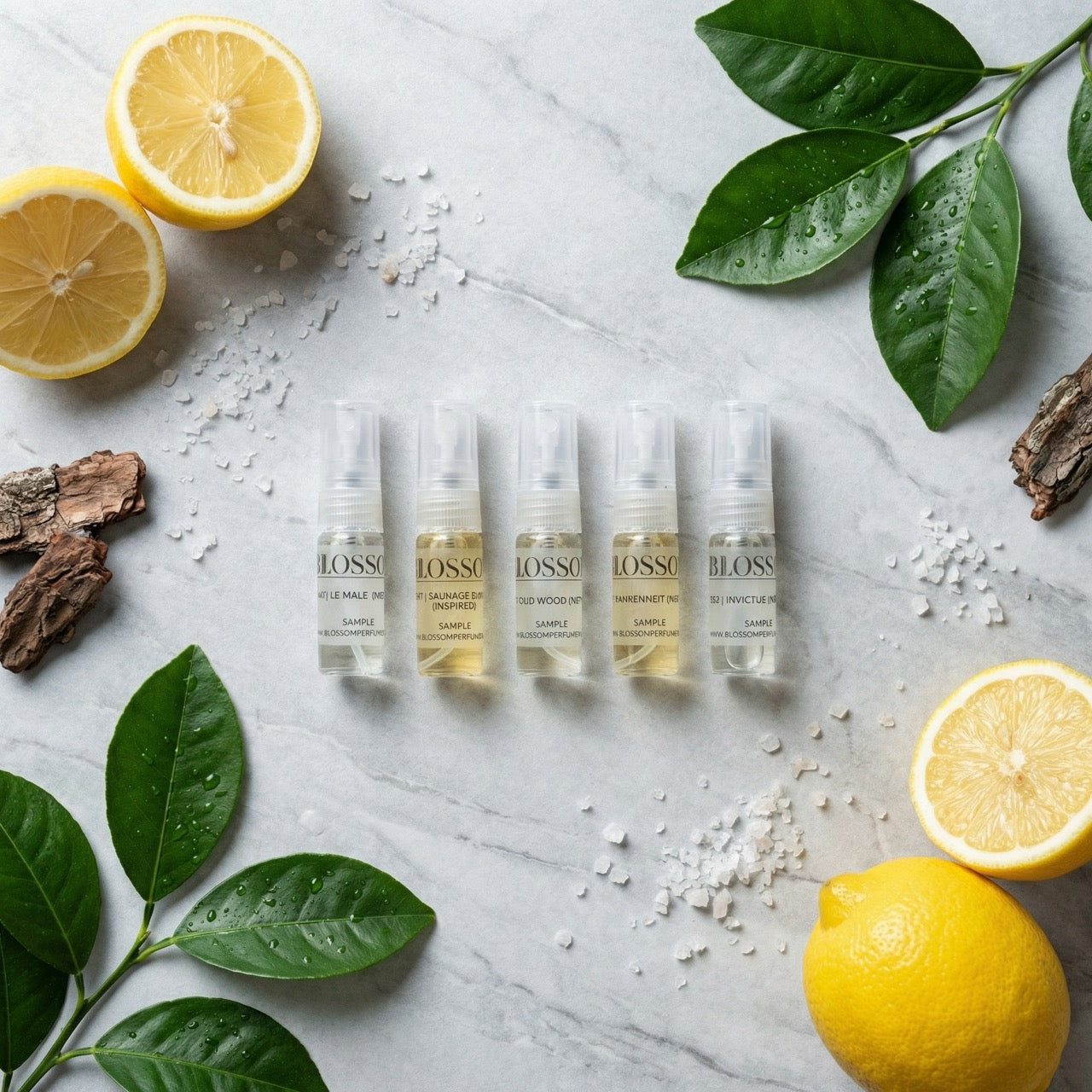
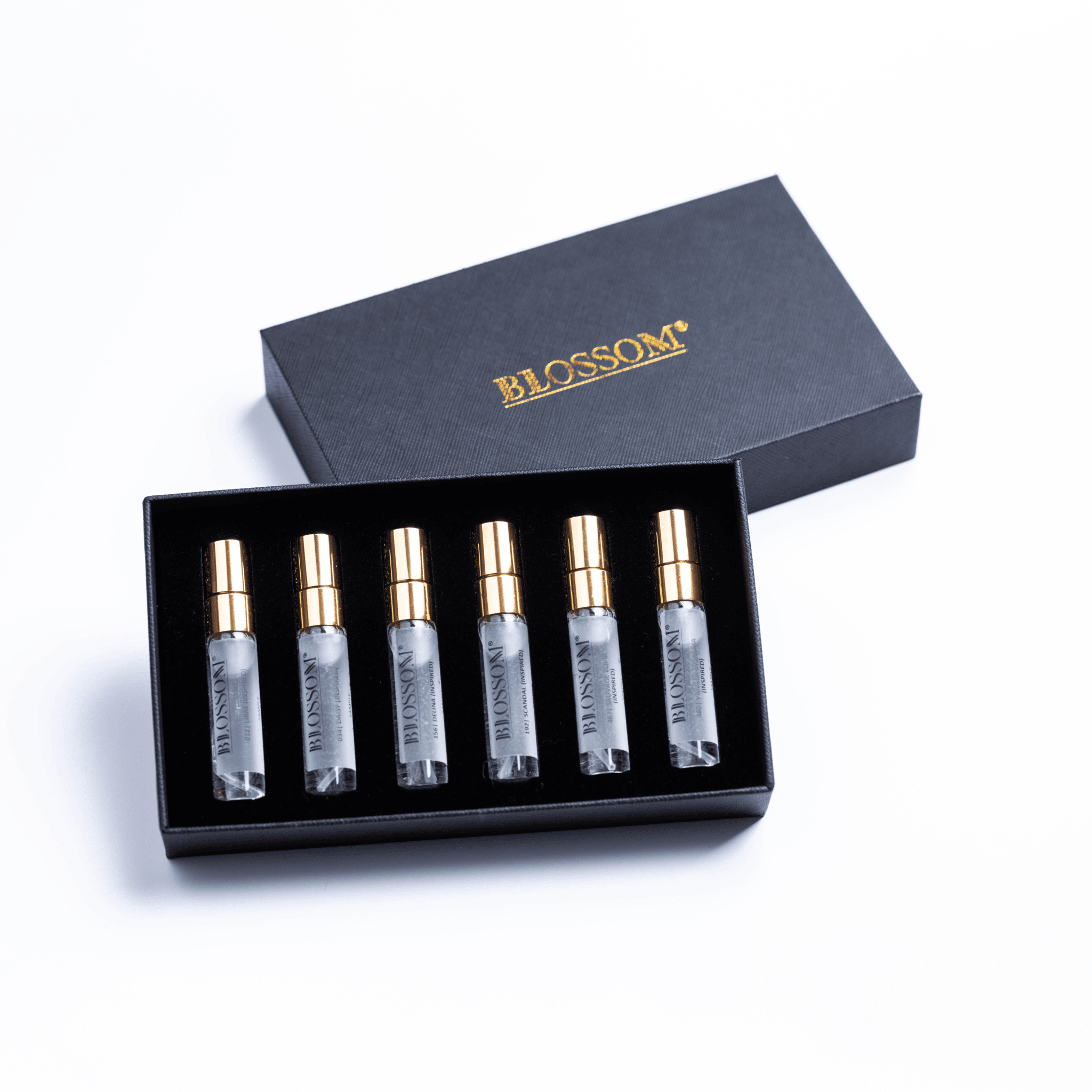
Third, test before committing to large bottles. Trying a 3ml or 5ml sample allows you to see exactly how a scent performs on your skin over a full day. You can explore our sample options here: Bundles and Sample Sets
Sampling removes uncertainty — and helps you choose based on real performance rather than expectation.
Choosing a Long-Lasting Perfume from the Start
If longevity is your top priority, it’s worth approaching your purchase strategically.
Look for Eau de Parfum concentration.
Pay attention to base notes — woods, ambers, vanilla, musks.
Avoid assuming price guarantees projection.
If you need help deciding which Blossom fragrance aligns with your lifestyle and performance expectations, our buyer guide can help narrow your options: Which Blossom Perfume Should You Choose? Find Your Perfect Scent
Choosing intelligently upfront saves trial-and-error later.
It’s Not Always the Perfume
When perfume fades quickly, it’s frustrating. But in most cases, the explanation lies in chemistry, formulation, environment, or application — not failure.
Understanding how scent works transforms you from a frustrated buyer into an informed one.
And once you understand performance factors, you’ll never judge a fragrance the same way again.
Perfume doesn’t simply “last” or “not last.” It interacts.
When you know how to work with it — rather than against it — longevity becomes far more predictable.