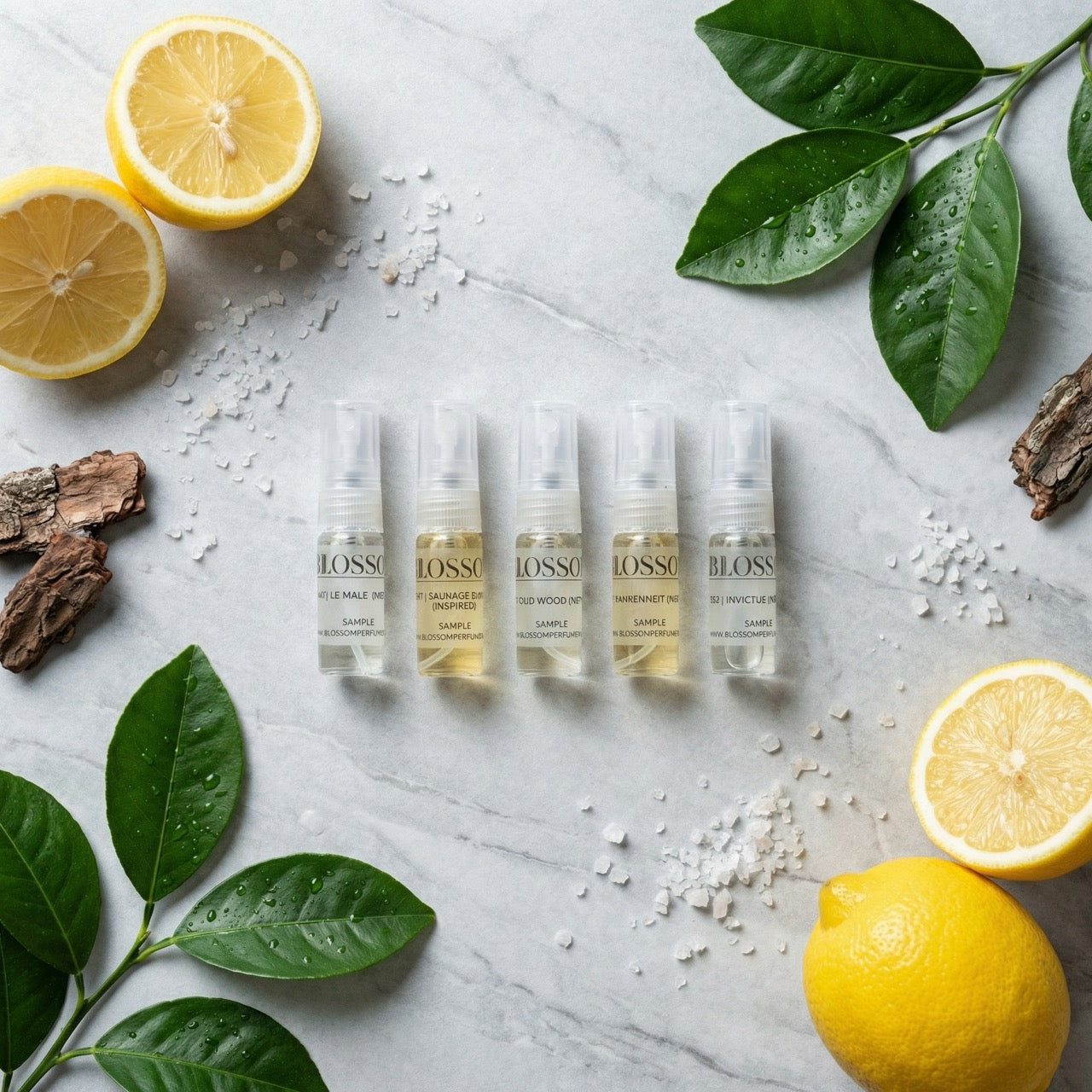
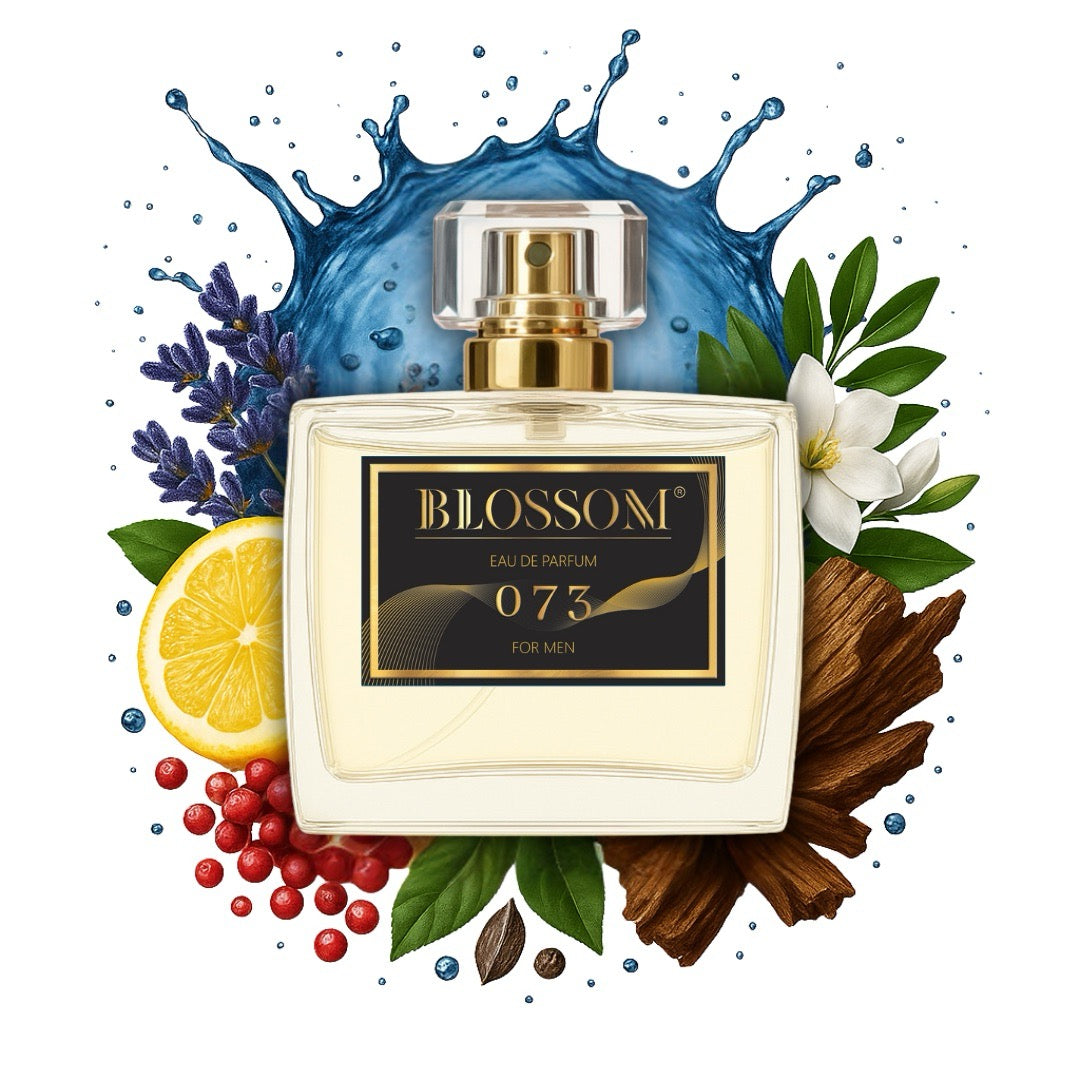
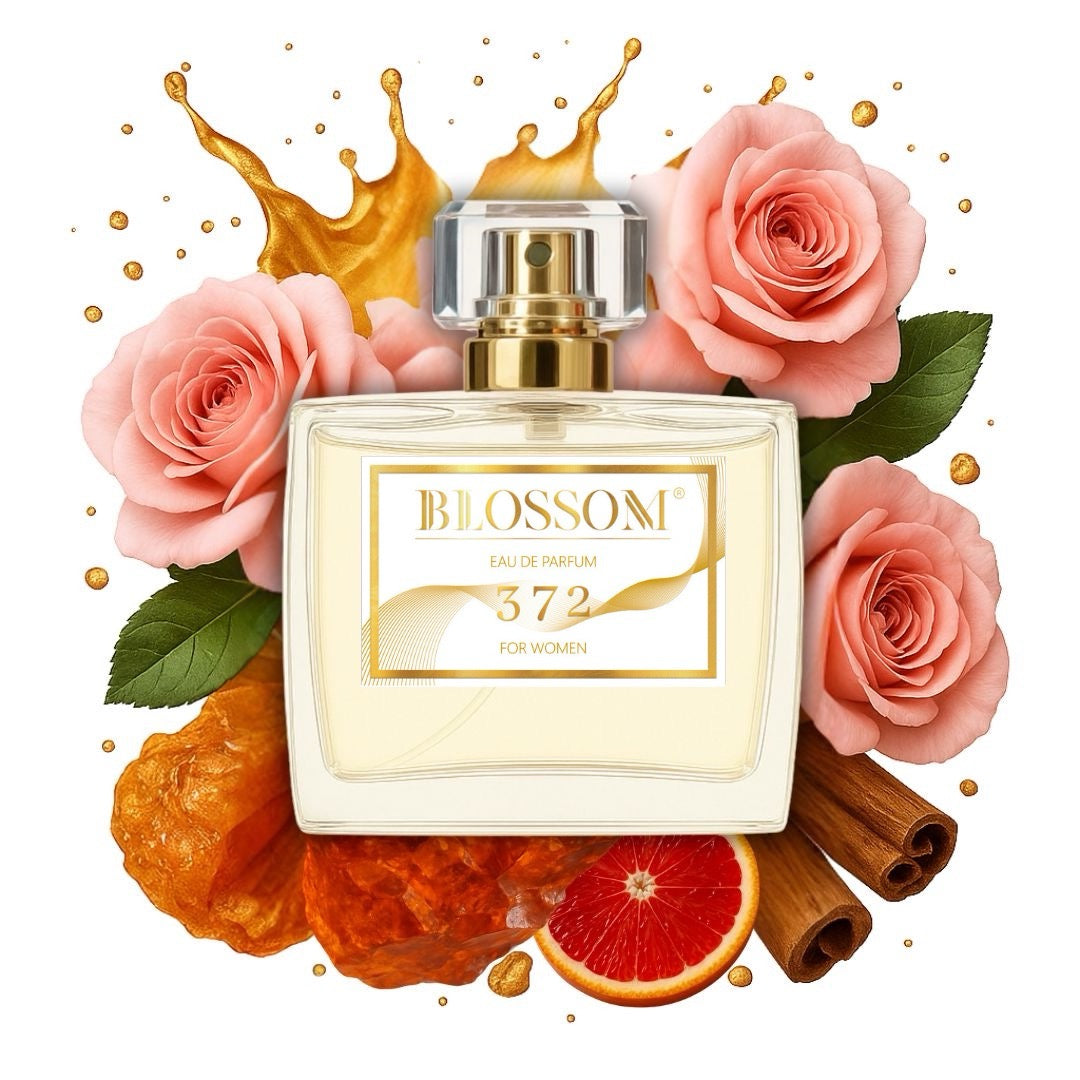
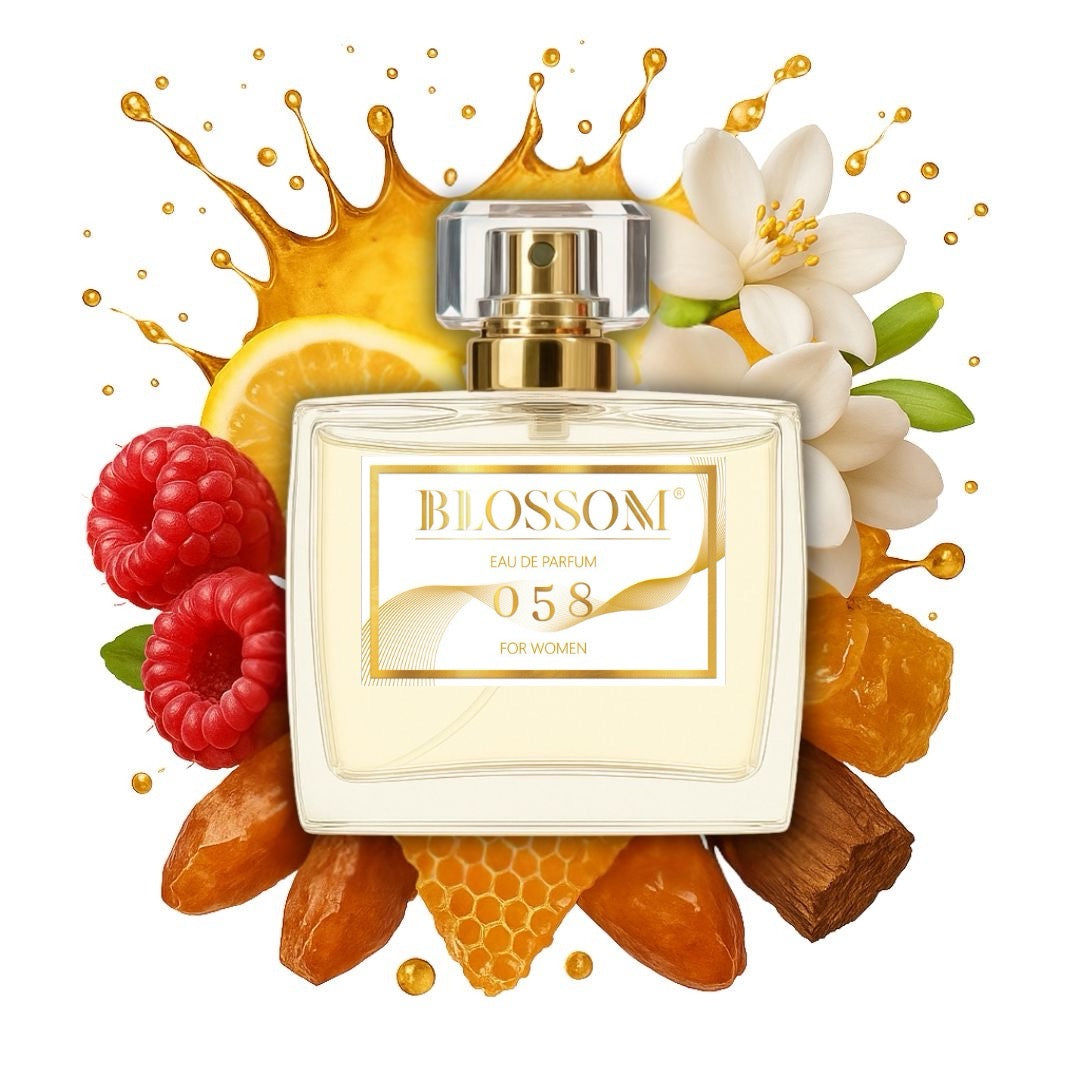

For decades, buying a designer perfume meant buying certainty. You were paying for craftsmanship, prestige, and the promise of quality. But today, more and more fragrance lovers are asking a surprisingly reasonable question: if a dupe perfume lasts longer and smells almost identical, is the designer bottle still worth it?
The answer isn’t about blind loyalty or chasing the cheapest option. It’s about understanding how perfumes are actually made, how marketing decisions shape performance, and why longevity has surprisingly little to do with price.
Why Expensive Perfumes Don’t Always Last Longer
There’s a common assumption that price equals performance. In perfumery, that isn’t always true.
Many iconic designer fragrances are released as Eau de Toilette or lighter Eau de Parfum concentrations. Not because brands don’t know how to make long-lasting scents — but because formulation strength is a strategic decision, not a technical limitation.
Lighter concentrations feel fresher and more “mass-appealing”. They align with a brand’s image of elegance and refinement. But did you know that often they’re made in lighter formulations because they suit department store testing environments? Not only that, but a lighter perfume encourages reapplication and repeat purchasing.
None of this is inherently negative. But it does mean that a £100 perfume isn’t automatically designed to last all day — it’s designed to sell well and appeal broadly.
The Longevity Equation - Chemistry Over Cost
How long a perfume lasts depends on three main factors:
Concentration
A fragrance with higher perfume oil content simply has more aromatic material on the skin. This creates a stronger scent presence and slower evaporation.
Structure
Second, structure. Perfumes built around woods, musks, ambers, and fixatives naturally last longer than compositions dominated by bright citrus or airy florals.
Skin chemistry
Third, skin chemistry and application. Even the most expensive fragrance can disappear quickly on dry skin, while a well-formulated Eau de Parfum can last hours longer with proper application. (you can read more about the importance of skin chemistry on fragrances here)
Notice what’s missing from that list: the price tag.
Why Some Dupe Perfumes Last Longer Than Designer Originals
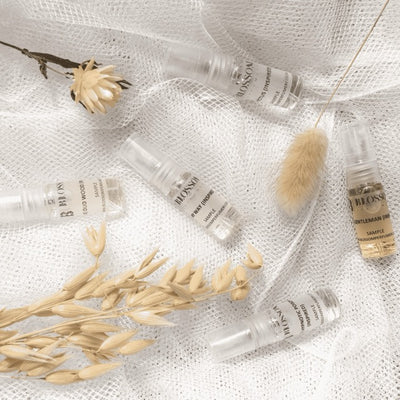
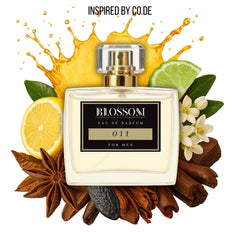
This is where high-quality dupe perfumes quietly excel. Brands specialising in inspired fragrances don’t need to cater to department-store testing, seasonal reformulations, or luxury branding optics. That freedom allows them to focus on performance-first formulation.
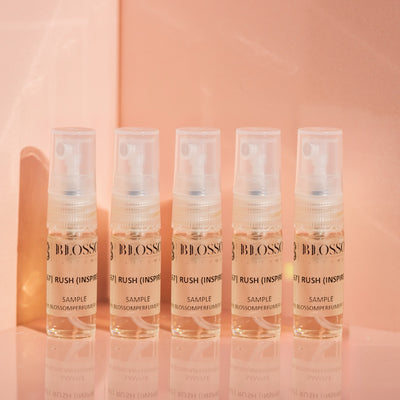
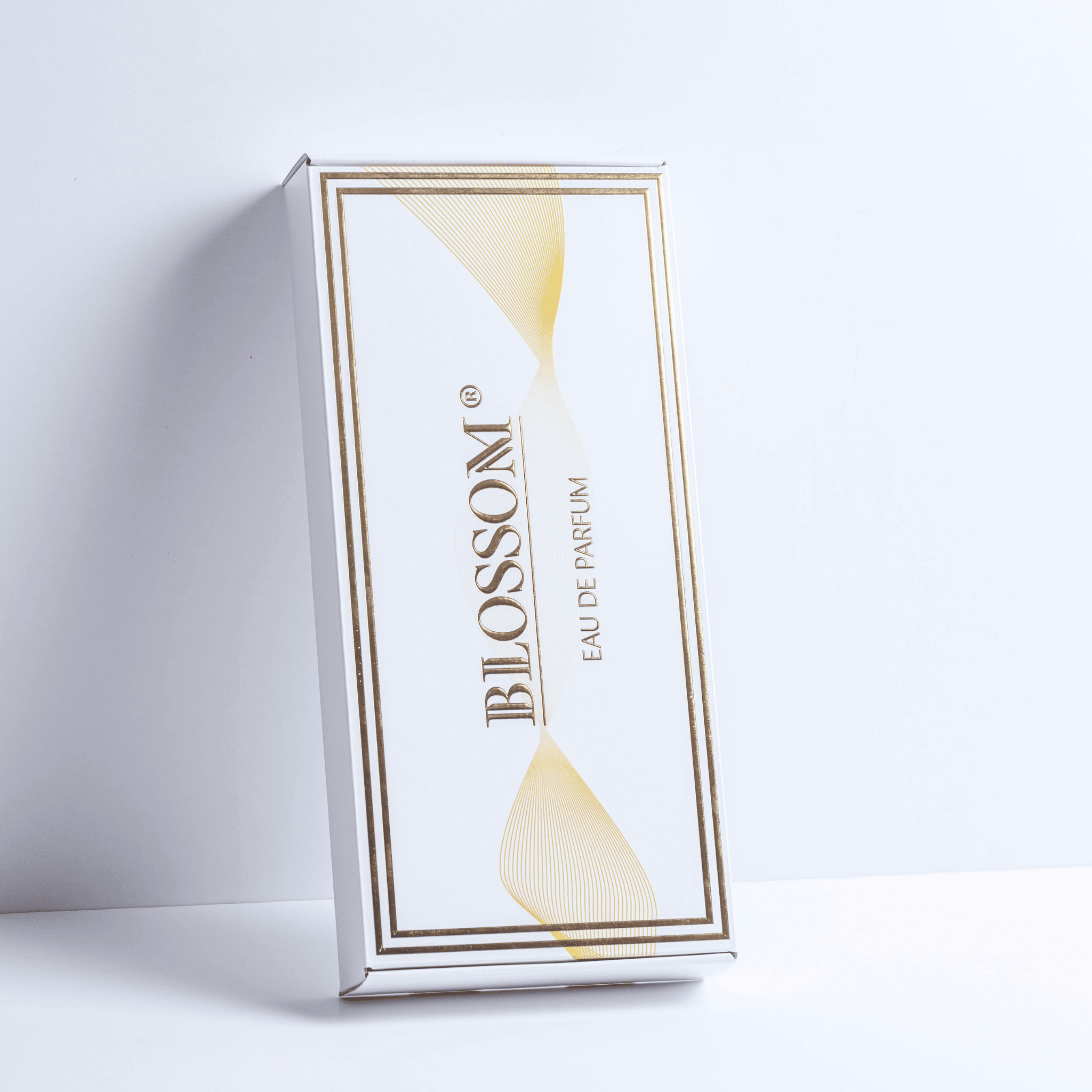
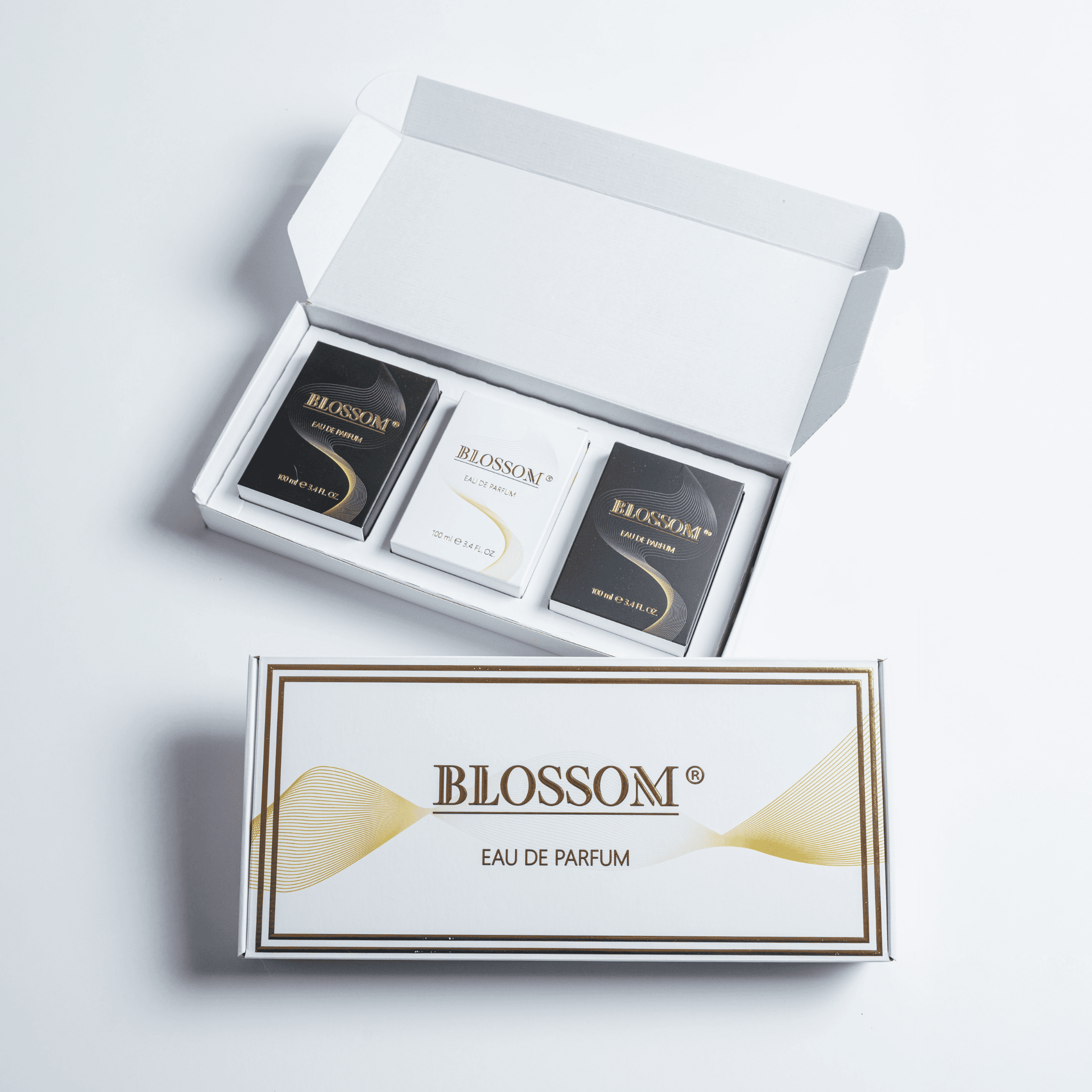
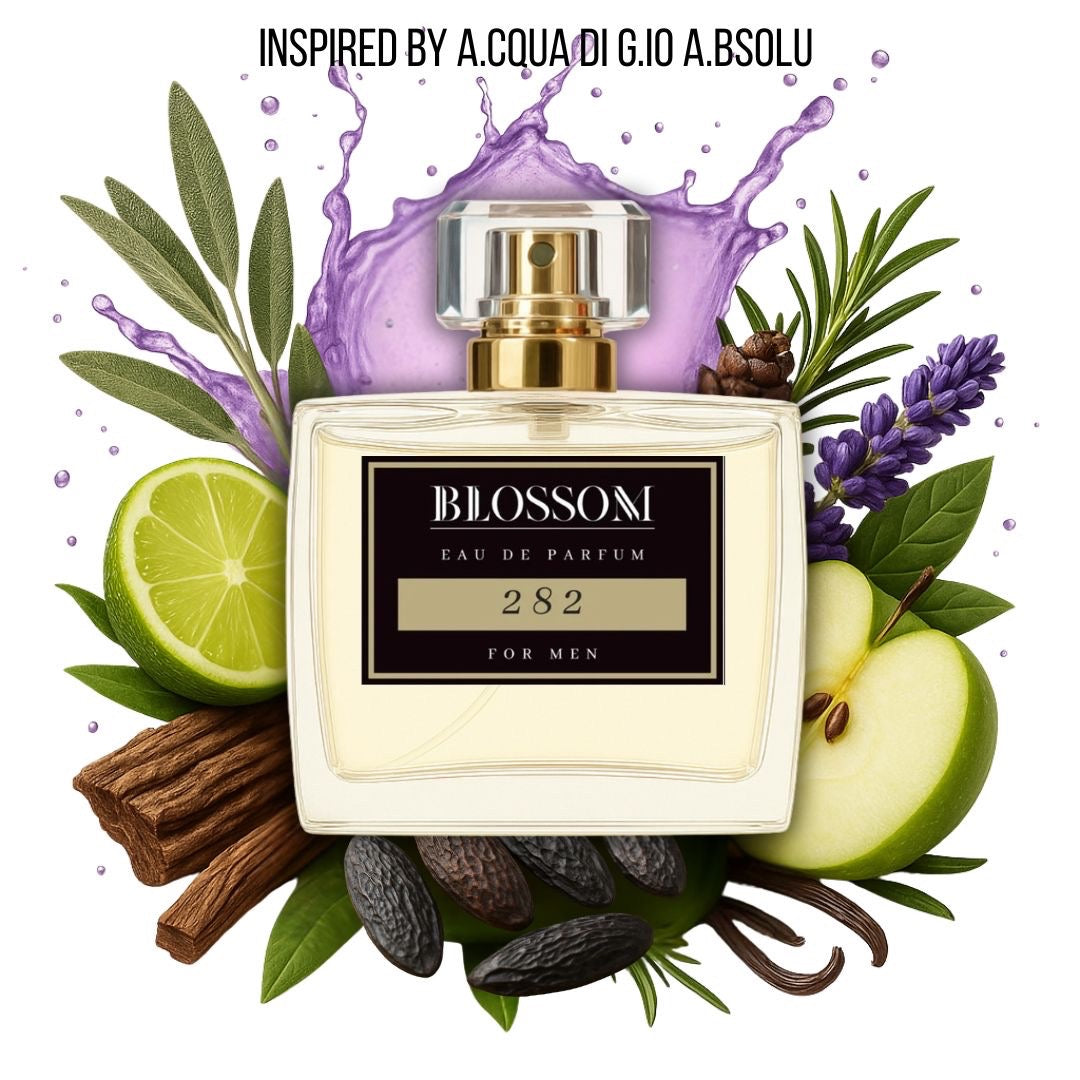
In Blossom’s case, all our perfumes are exclusively Eau de Parfum with a 19% perfume oil concentration. That choice is made deliberately — not to dilute a formula, but to ensure richness, presence, and longevity.
If you love a scent profile that exists only as an EDT or a reformulated EDP with weaker performance, a dupe can genuinely outperform the original on skin, even if it costs a fraction of the price.
It’s also worth clearing up a common misconception that often appears in fragrance discussions online. Some perfumes advertise extremely high oil concentrations — 25%, 30%, or even more — which can sound impressive at first glance. In reality, higher concentration doesn’t automatically mean better performance. A perfume still needs balance: too much oil can flatten the scent, mute top notes, and reduce projection rather than improve it. That’s why most well-performing Eau de Parfum fragrances sit in the 19–20% range, where longevity, diffusion, and structure remain intact. If you’ve ever wondered why “stronger” perfumes don’t always smell better or last as expected, this breakdown of perfume oil concentration explains why more isn’t always better and how formulation matters just as much as numbers on paper.
Similarity vs. Identity: What You’re Really Buying
Good perfume dupes aren’t about cloning every molecule - rather, they’re about faithfully recreating the recognisable scent profile — the notes, balance, and emotional character that made the original appealing in the first place.
When customers say a dupe is “spot on” or “90% similar,” what they mean is simple:
-
it smells the same to them,
-
it smells the same to others,
-
and it delivers the same experience in daily wear.
At that point, the decision often shifts from “Is this good enough?” to “Why would I pay more?”
The Freedom Factor: Wearing Perfume Without Rationing
One of the least discussed — but most powerful — reasons people switch to dupe perfumes is psychological freedom.
With expensive designer bottles, people often spray sparingly, save the perfume for “special occasions,” hesitate to reapply because they want to stretch out the juice in the bottle, and once they notice it’s running low - often they stop using it altogether, spare for a few rare situations. Enjoying a fragrance shouldn’t mean you’re rationing it, don’t you think?
When a fragrance is affordable, that mindset changes. People wear it freely. They spray before work, refresh later, and incorporate scent into everyday life instead of treating it like a luxury object to be preserved. No worries about running out of your favourite or most cherished perfume - you can always get another bottle easily!
Are You Losing Anything by Choosing a Dupe?
That depends on what you value most.
If the designer bottle, brand heritage, and counter experience are important to you, a luxury fragrance may always have emotional appeal. There’s nothing wrong with that.
But if what you value is:
-
how a perfume smells,
-
how long it lasts,
-
how often you can wear it,
-
and whether it fits your lifestyle and values,
then a high-quality dupe perfume isn’t a compromise — it’s a practical upgrade. Especially when that dupe comes with added benefits - is cruelty-free, vegan-friendly, and formulated with longevity in mind, like Blossom Perfumery’s women’s perfume and men’s perfume collections.
So… Is It Worth It?
For many modern fragrance lovers, the answer is becoming clearer. If a dupe lasts longer, smells nearly identical, aligns better with ethical values, and costs dramatically less, then buying it isn’t about cutting corners. It’s about making an informed decision — one that puts enjoyment above marketing.
Designer perfumes will always have their place. But so will alternatives that let people wear the scents they love more often, more confidently, and without hesitation. And sometimes, that’s worth far more than a logo on a bottle.
Finding the right perfume a bit tricky? Discover your perfect match with us.