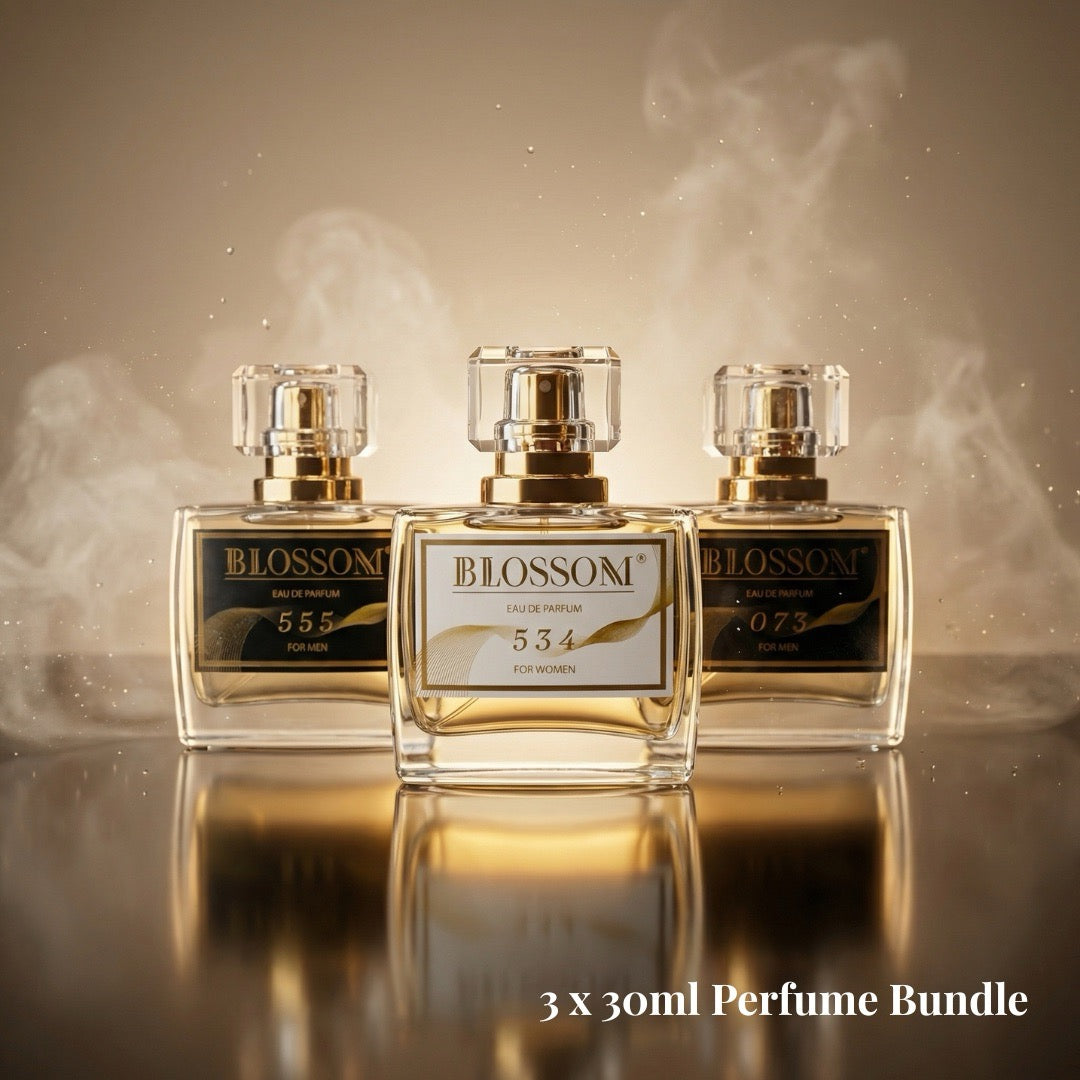
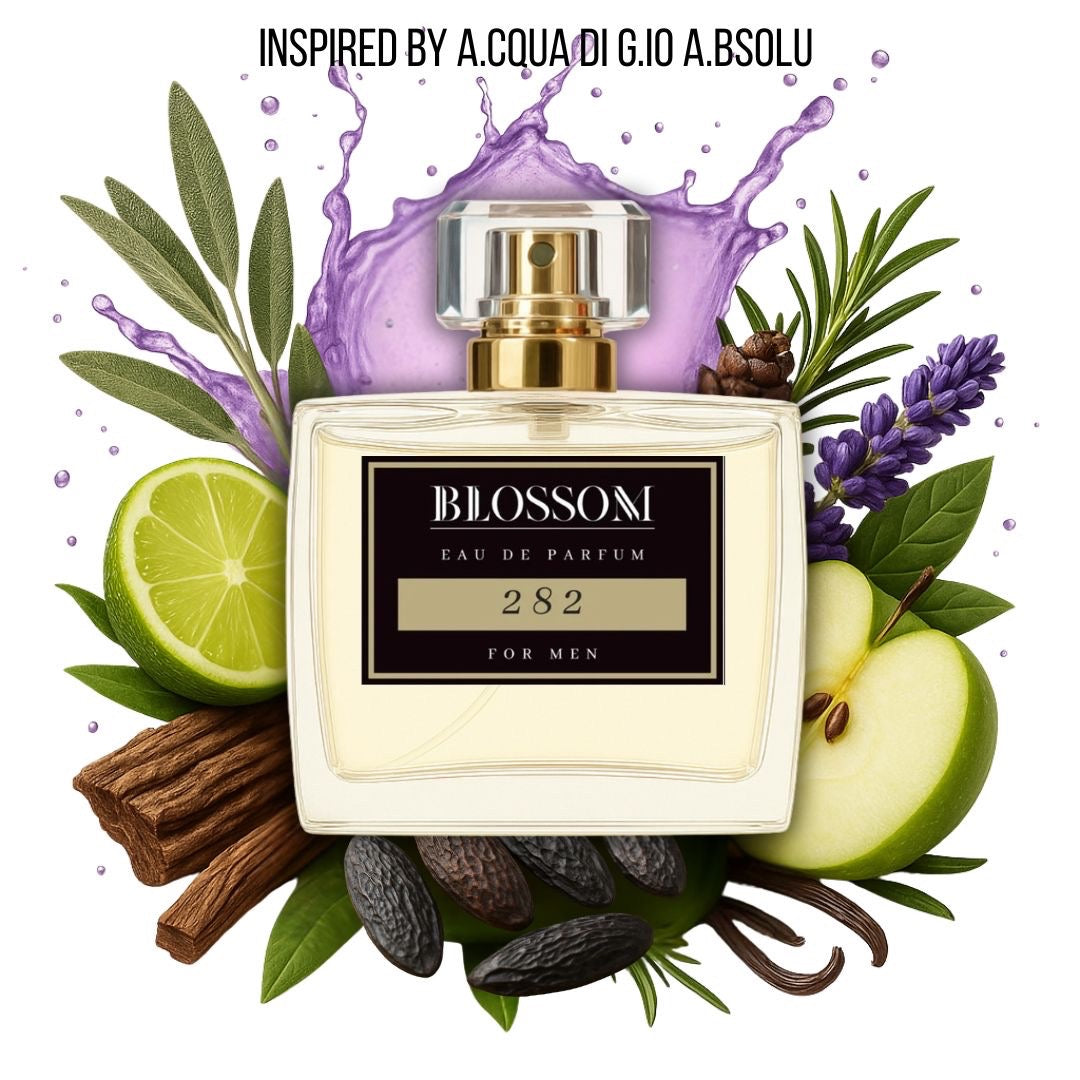

Perfume dupes are everywhere in the UK, from high-street retailers to independent fragrance houses. Their popularity raises an obvious question: is it actually legal to make and sell a fragrance that smells similar to a designer perfume?
The short answer is yes. Perfume dupes can be legally sold in the UK, but a similar scent alone does not determine whether a product is lawful. Branding, packaging, advertising and the way another brand's trademarks are referenced all matter.
There is also an important difference between a perfume dupe and a counterfeit. A dupe is an independently branded fragrance created as an alternative to another scent. A counterfeit attempts to present itself as the genuine branded product.
Checked against current UK trademark and consumer protection law as of August 2026. This article provides general information and does not constitute legal advice.
The short version
- A fragrance is not automatically unlawful because it smells similar to a designer perfume. Its branding, packaging and marketing must still comply with UK intellectual property and advertising law.
- A perfume that copies another brand's name, logo, packaging or bottle in an attempt to look like the genuine product is different. This may amount to trademark infringement and, in some circumstances, a criminal offence.
- A perfume's scent profile is not generally protected in the same way as a brand name, logo or distinctive packaging. This is one of the reasons the inspired-by fragrance market can exist.
- How a fragrance is compared with another brand matters. The L'Oréal v Bellure case is an important example of how direct comparisons involving trademarks can cross the line even where the products themselves use different branding.
What legal protection applies to perfume?
Trademark law primarily protects the identity of a brand. That can include its name, logo and, in some circumstances, distinctive packaging or bottle designs.
Protecting a scent itself is much more complicated.
UK law does not completely rule out registering a smell as a trademark, but the UK Intellectual Property Office makes clear that smell marks are exceptionally difficult to register in practice.
A trademark needs to be represented clearly and precisely enough for people to understand exactly what is protected. A scent is difficult to describe in a way that meets that requirement. Written descriptions, chemical formulas and physical samples have all presented problems when scent trademarks have been considered in European case law.
As a result, a perfume's overall scent profile is not generally protected in the same straightforward way as a brand name or logo.
Patent law is different.
A genuinely new chemical compound, composition or manufacturing process may potentially qualify for patent protection if it meets the usual requirements, including novelty and inventive step.
That is not the same as owning a patent over the sensory impression of a particular perfume. A company does not simply obtain exclusive rights over the concept of "smelling like" a certain fragrance.
This helps explain why independent fragrance houses can create perfumes with similar scent profiles while using their own formulas, branding and packaging.
Comparative advertising and perfume dupes
The fact that a similar scent can be created does not mean another company's trademarks can be used freely in advertising.
UK law permits comparative advertising in certain circumstances, but comparisons involving another company's trademark are subject to specific rules.
Under the Business Protection from Misleading Marketing Regulations 2008, comparative advertising must meet a number of conditions. Among other things, it must not be misleading, create confusion between brands or take unfair advantage of the reputation of another trademark.
This is particularly relevant to perfume dupes because customers often want to know which scent a fragrance resembles.
The wording used, the prominence of another brand's name and the overall presentation of the comparison can therefore matter just as much as the fragrance itself.
Perfume dupe vs counterfeit: what's the difference?
| Perfume dupe | Counterfeit perfume | |
|---|---|---|
| Branding | Sold under its own name and branding | Copies or imitates the designer's branding |
| Packaging | Uses independent packaging | May copy the original box, bottle, logo or visual identity |
| How it is presented | Positioned as an independently made alternative | Presented or designed to appear to be the genuine product |
| Legal position | Not automatically unlawful | May amount to trademark infringement and, in some circumstances, a criminal offence |
| Cosmetic safety | Should comply with the same UK cosmetic rules as any other fragrance | May be unassessed, unnotified and difficult to trace |
| What you are buying | A separately manufactured fragrance with a similar scent profile | A product attempting to pass itself off as the genuine article |
This distinction is important for consumers.
A £20 fragrance sold under its own brand is very different from a suspiciously cheap "designer perfume" using the designer's logo, bottle and packaging. For a closer look at how dupes compare to original designer fragrances more broadly, see our guide on perfume dupes vs original fragrances.
Counterfeit perfumes can also create a separate safety concern. If a seller is already ignoring intellectual property rules, there is no guarantee that the product has gone through the safety assessment, notification and labelling processes required for legitimate cosmetics sold in Great Britain.
How responsible fragrance houses approach perfume dupes
Creating and selling an inspired-by fragrance involves much more than developing a similar scent.
A responsible fragrance business also needs to think about how the product is branded, labelled, assessed and placed on the market.
In practice, this includes using independent product names and branding, avoiding copied logos or bottle designs, and treating references to third-party trademarks carefully.
There are also the normal cosmetic safety requirements that apply to perfumes sold in Great Britain.
Each fragrance should have the required Cosmetic Product Safety Report, commonly known as a CPSR, together with a Product Information File.
Products also need to be notified to the Office for Product Safety and Standards through the UK's cosmetic product notification system before being placed on the GB market, with an appropriate Responsible Person in place.
Ingredients and relevant allergens must also be labelled correctly.
These requirements apply regardless of whether a fragrance is completely original or has been created as an alternative to a well-known scent.
From a customer's point of view, these checks matter far more for safety and compliance than exactly how closely a perfume resembles another fragrance.
Are perfume dupes safe to buy?
Whether a perfume is a dupe tells you very little about its safety on its own.
The more useful question is whether the company selling it follows the same cosmetic regulations that apply to other perfumes sold in the UK.
Look for a real business behind the product, independent branding, proper ingredient labelling and clear company information.
Be more cautious when a product is presented as a genuine designer fragrance at an implausibly low price, particularly where the packaging closely copies the original.
That is much more likely to indicate a counterfeit rather than a legitimate perfume alternative.
So, are perfume dupes legal in the UK?
Yes, perfume dupes can be legally bought and sold in the UK.
A fragrance does not normally become unlawful simply because its scent profile is similar to another perfume.
The legal issues arise primarily around intellectual property, branding, packaging and marketing.
An independently made fragrance sold under its own branding is therefore very different from a counterfeit designed to look like the genuine designer product.
Brands also need to be careful when using competitors' trademarks to explain fragrance comparisons. As L'Oréal v Bellure demonstrates, simply using separate branding does not automatically make every form of comparative marketing lawful.
For customers, the most important distinction is therefore not simply "original versus dupe".
It is the difference between a properly produced, independently branded fragrance and a counterfeit attempting to pass itself off as something it is not.
Frequently asked questions
Are perfume dupes illegal in the UK?
Perfume dupes are generally legal to buy and sell in the UK. A similar scent is not unlawful in itself. However, the branding, packaging and marketing of the product must still comply with intellectual property, advertising and consumer protection law.
Is it legal to buy perfume dupes in the UK?
Yes. There is no general restriction on a customer buying an independently branded fragrance that has been created as an alternative to another perfume. The main legal issues concern how the product is manufactured, branded, marketed and sold rather than the act of purchasing it.
Can a perfume smell be trademarked?
In theory, UK trademark law does not completely rule out scent trademarks. In practice, however, they are exceptionally difficult to register because the scent needs to be represented clearly and precisely enough for the scope of the trademark to be understood. As a result, perfume scent profiles are not generally protected through trademark law in the same way as brand names, logos and other distinctive brand assets.
Can perfume formulas be patented?
A genuinely new chemical compound, composition or manufacturing process can potentially qualify for patent protection if it satisfies the normal requirements for a patent. This is different from patenting the general sensory impression of a perfume. Patent law does not simply give a company ownership of the concept of smelling like a particular fragrance.
Is it legal to say a perfume is "inspired by" another fragrance?
It depends on the way the comparison is presented. The words "inspired by" do not automatically make every use of another company's trademark lawful. The L'Oréal v Bellure case demonstrated that some forms of direct trademark comparison can infringe intellectual property rights even where the alternative fragrance uses its own branding.
What's the difference between a perfume dupe and a counterfeit?
A perfume dupe is an independently branded fragrance created as an alternative to another scent. A counterfeit attempts to copy the original brand's identity, which may include its name, logo, bottle or packaging, in order to make the product appear genuine. They are not the same thing.
How can I tell whether a perfume dupe is legitimate?
Check whether the fragrance is sold under its own branding and packaging rather than being presented as the genuine designer product. Be cautious with listings using phrases such as "exact copy" or "same as [designer name]" as the main product title, packaging that closely imitates the original or prices that appear unrealistic for the product being claimed.
Do perfume dupes have to follow UK cosmetic safety regulations?
Yes. A perfume is a cosmetic product regardless of whether it is an original creation or inspired by another fragrance. Perfumes sold in Great Britain must comply with the relevant cosmetic safety, assessment, labelling and product notification requirements.
Sources and further reading
- Trade Marks Act 1994
- Business Protection from Misleading Marketing Regulations 2008
- L'Oréal SA and Others v Bellure NV and Others, Case C-487/07, Court of Justice of the European Union
- UKIPO Trade Marks Manual
This article is provided for general information and does not constitute legal advice. Trademark and consumer protection law is fact-specific. Businesses operating in the fragrance sector should obtain advice from a solicitor specialising in intellectual property where appropriate. Blossom Perfumery is an independent fragrance house. Our fragrances are sold under our own names and product numbers, and any reference to other brands is provided for comparison purposes only.