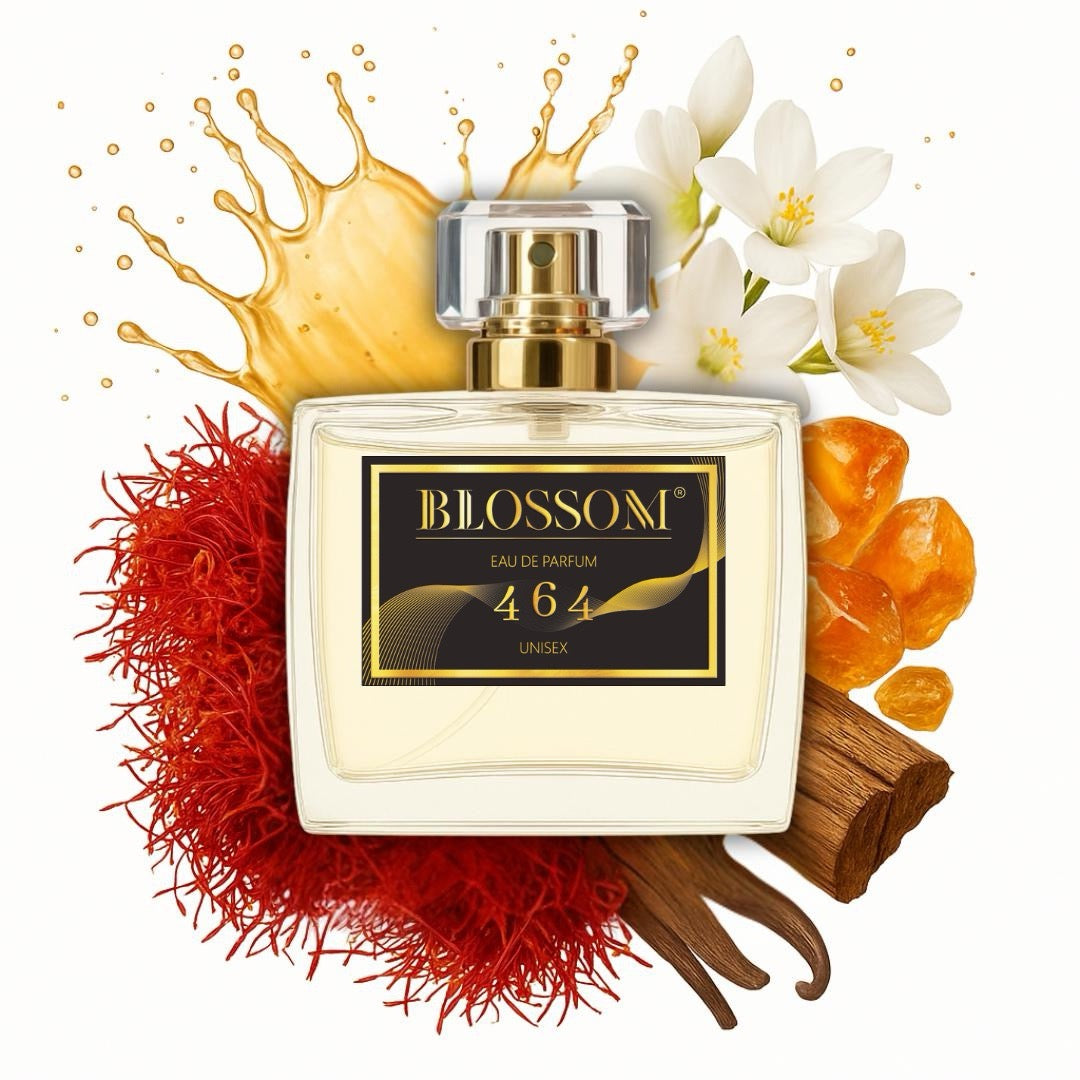
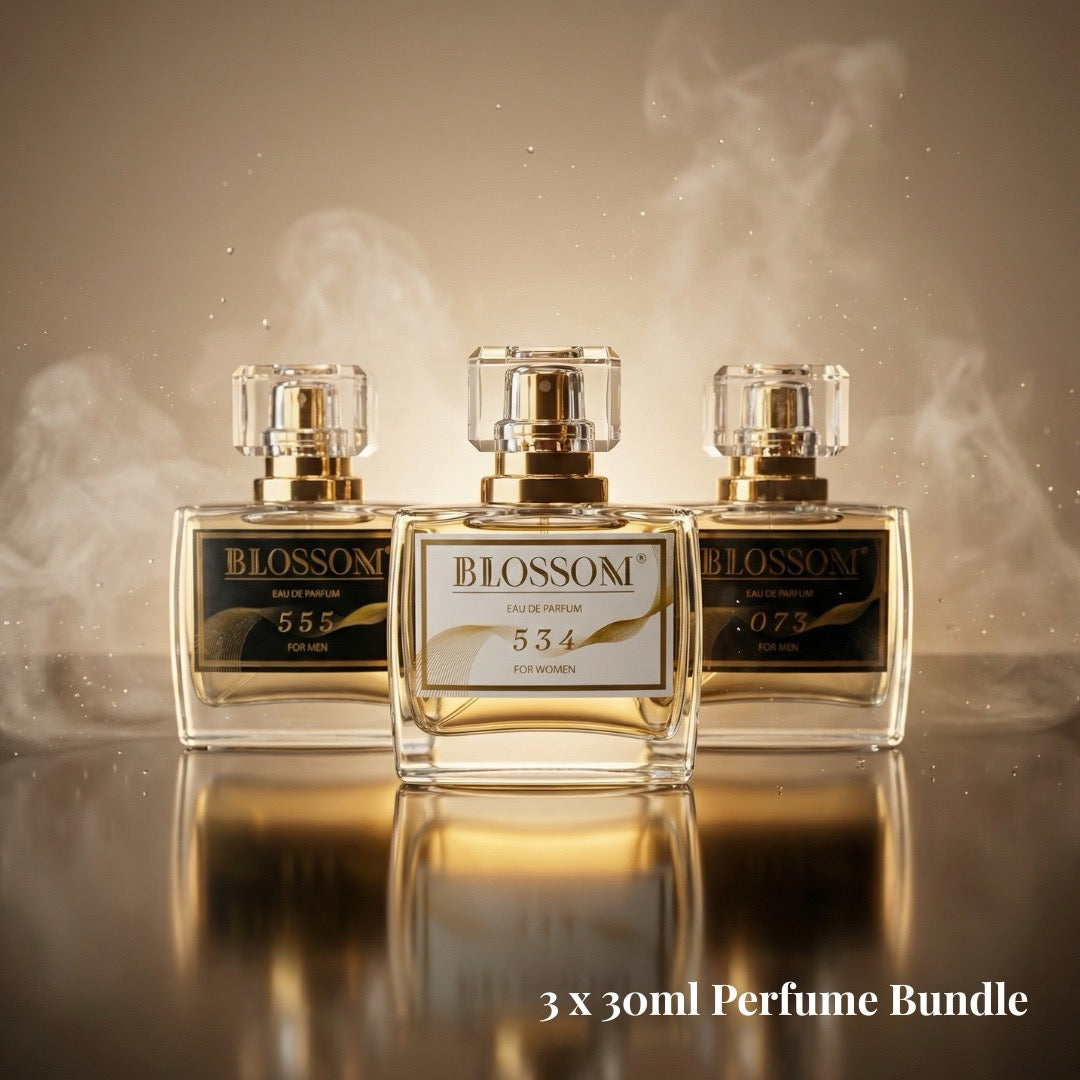

Choose 30ml when you want a smaller commitment to a fragrance, 50ml when you wear it regularly but still rotate other scents, and 100ml when you already know it is a favourite you use often. If the perfume is new to you, start with a sample before making the bottle-size decision.
The largest bottle can have the lowest price per millilitre and still be the wrong purchase for your habits. A useful decision balances three things: the amount you spend today, how confident you are about the scent and how much of it you expect to use.
30ml, 50ml and 100ml: a practical comparison
| Size | A sensible starting point when… | The trade-off |
|---|---|---|
| Sample | You have not worn the fragrance before | A higher cost per ml can buy useful information before a larger purchase |
| 30ml | You enjoy the scent but rotate several perfumes or wear it occasionally | Less money committed, usually with a higher unit cost than larger sizes of the same product |
| 50ml | You wear it regularly and want a middle option | A balance of total spend and quantity, rather than automatically the best deal |
| 100ml | It is an established favourite and you expect to use plenty of it | A lower unit price can mean buying more than you need |
These are buying guidelines, not rules. Someone with one everyday perfume may use a larger bottle more consistently than a collector who owns twenty scents. Start with your actual routine rather than the size most people appear to buy.
When a 30ml bottle makes sense
A 30ml bottle is worth considering when you have sampled the fragrance and like it, but do not yet know whether it will become a regular favourite. It also suits a perfume you mainly wear for dinners, weekends or a particular mood.
For people who rotate several scents, smaller bottles can make a collection easier to use. Buying a large bottle of every fragrance because the unit price looks better can tie up a surprisingly large budget. Ask yourself which perfumes you actually reached for over the past month.
There is also a difference between liking a sample and wanting a long-term supply. A smaller bottle gives you more time with a scent without committing to the maximum quantity. That can be a reasonable choice even when it is not the cheapest option per millilitre.
A 30ml bottle is also a handy choice for a small bag, a weekend away or a holiday when you want to take your favourite scent without packing a larger bottle.
When to choose 50ml
A 50ml bottle is a useful middle option for a fragrance you wear regularly alongside a few others. It offers more than 30ml without requiring the same total spend as the 100ml option.
Compare the actual prices rather than assuming the middle size is the best compromise. A small step up in price may buy a meaningful amount of extra perfume, but that only helps if you want the additional quantity. The calculation should support your decision, not make it for you.
A 50ml bottle can also be a practical travel companion: easy to tuck into a small bag or wash bag, with more perfume for a longer holiday. Choose between 30ml and 50ml according to your packing space and how much you expect to use.
When a 100ml bottle is worth buying
A 100ml bottle makes most sense when the scent is familiar, you enjoy wearing it regularly and your budget comfortably covers the purchase. Replacing a bottle you have already finished is stronger evidence for buying large than liking one spray in a shop.
Be more careful when a fragrance is new, your preferences change frequently or you already have several partly used bottles doing a similar job. The attractive unit price cannot tell you whether you will still want to wear the perfume later.
Keep 100ml at home and take a travel atomiser with you
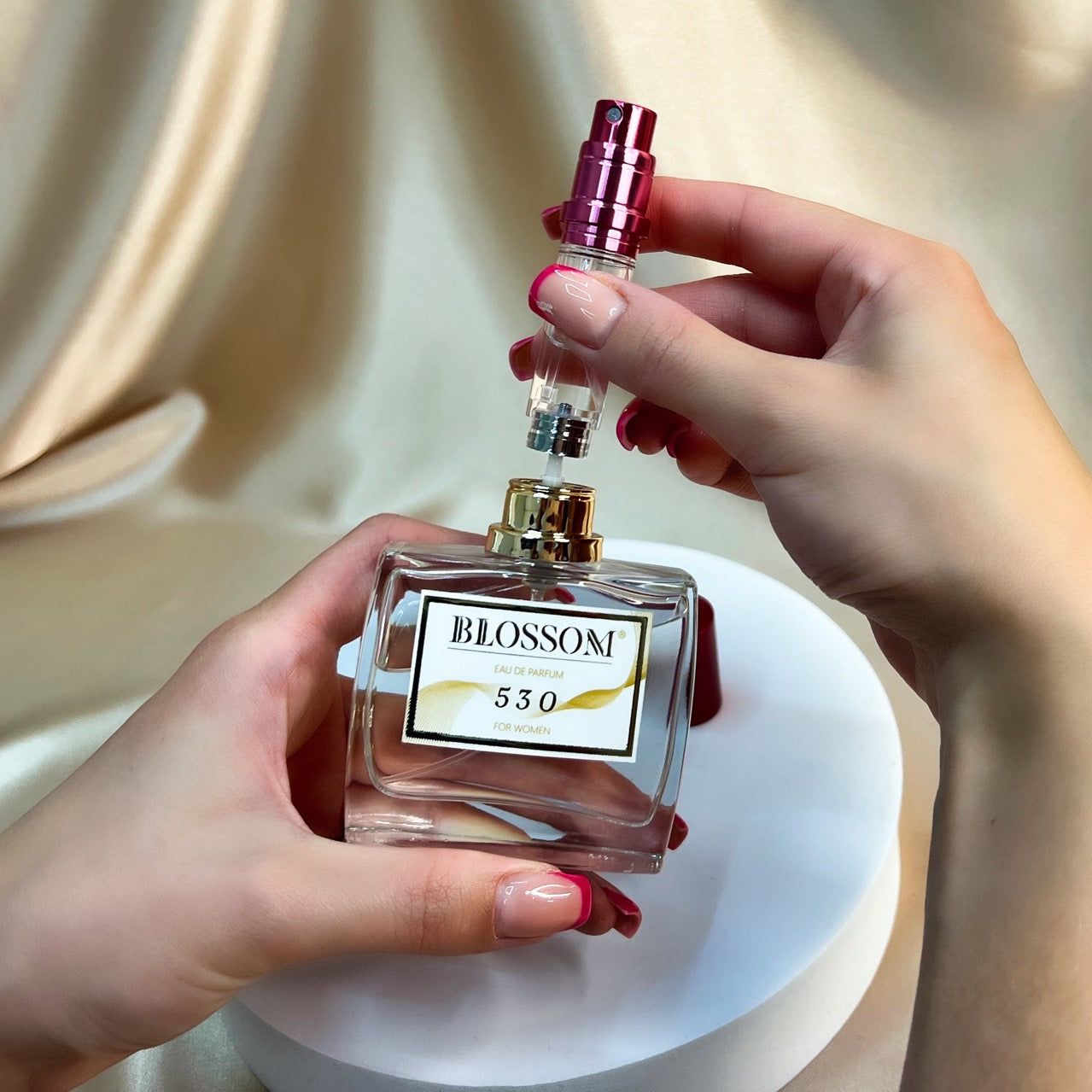
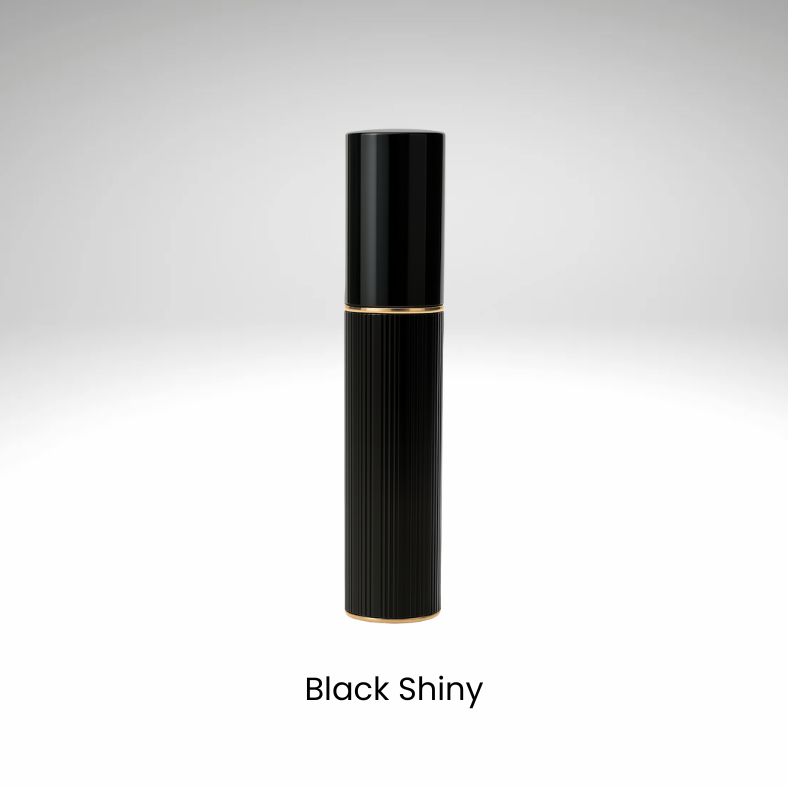
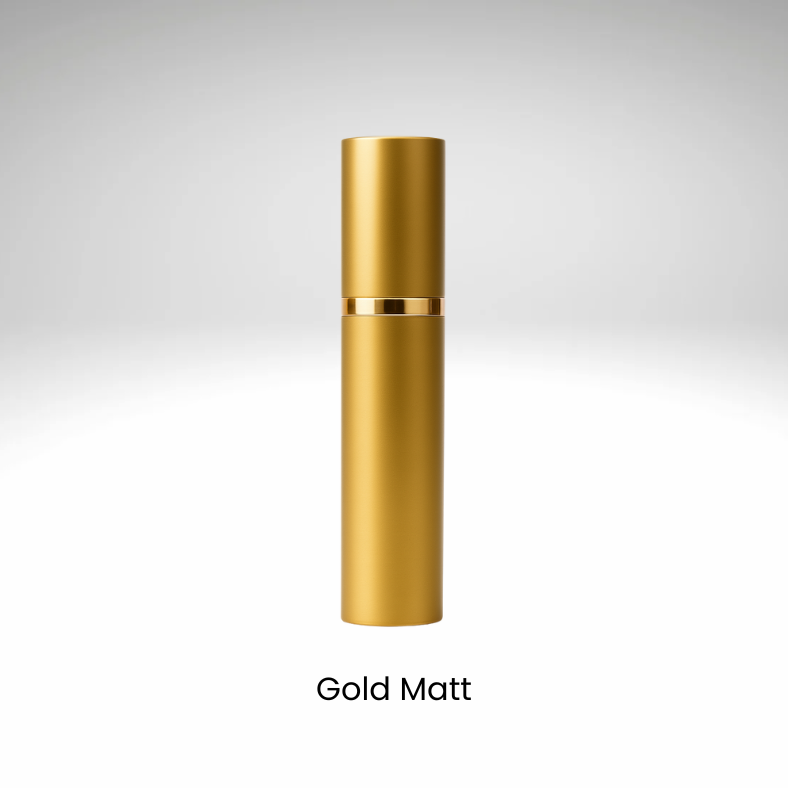
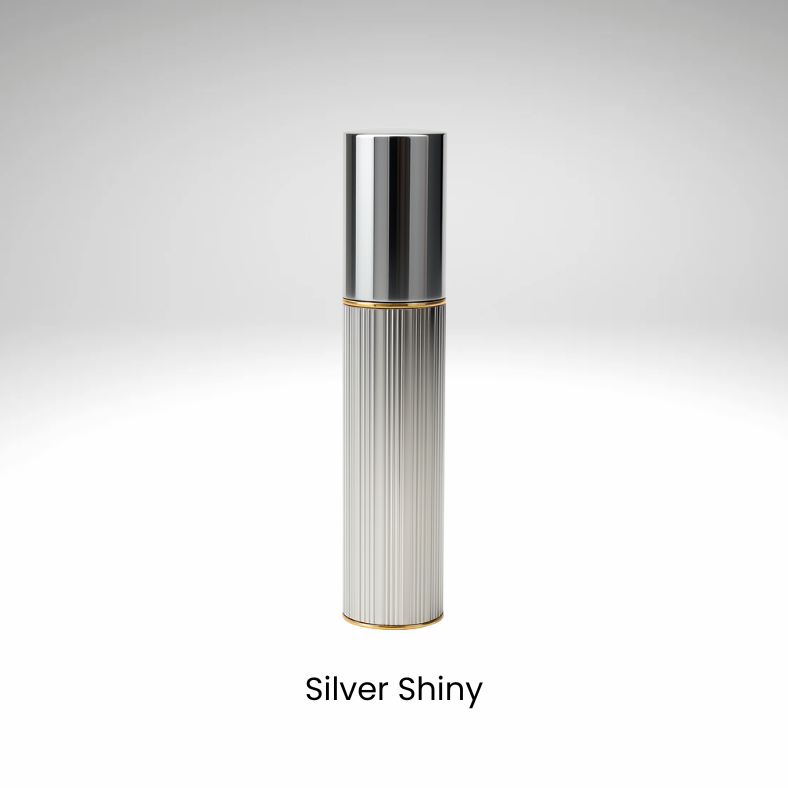
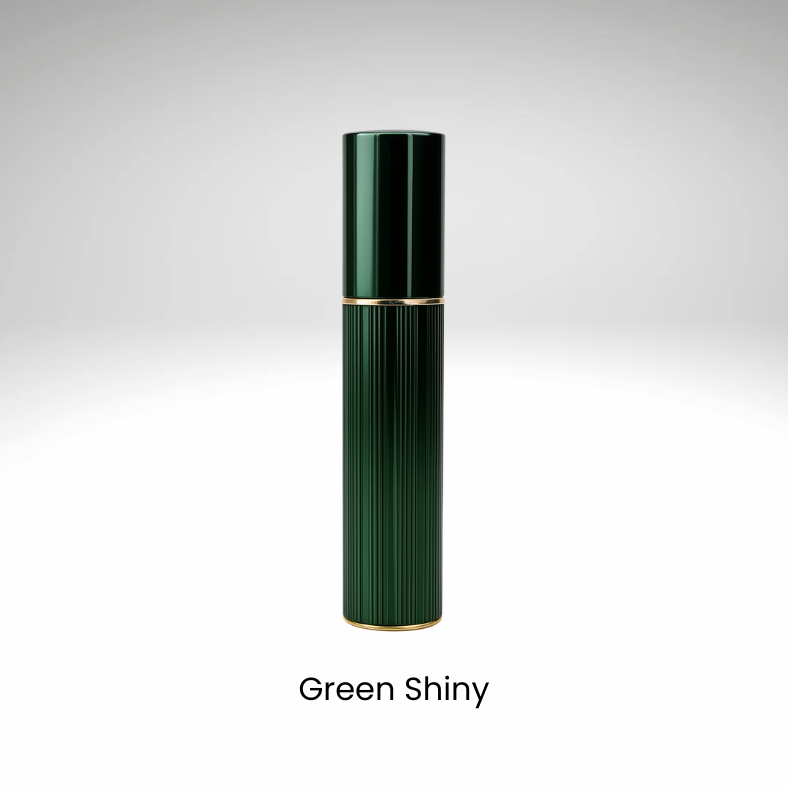
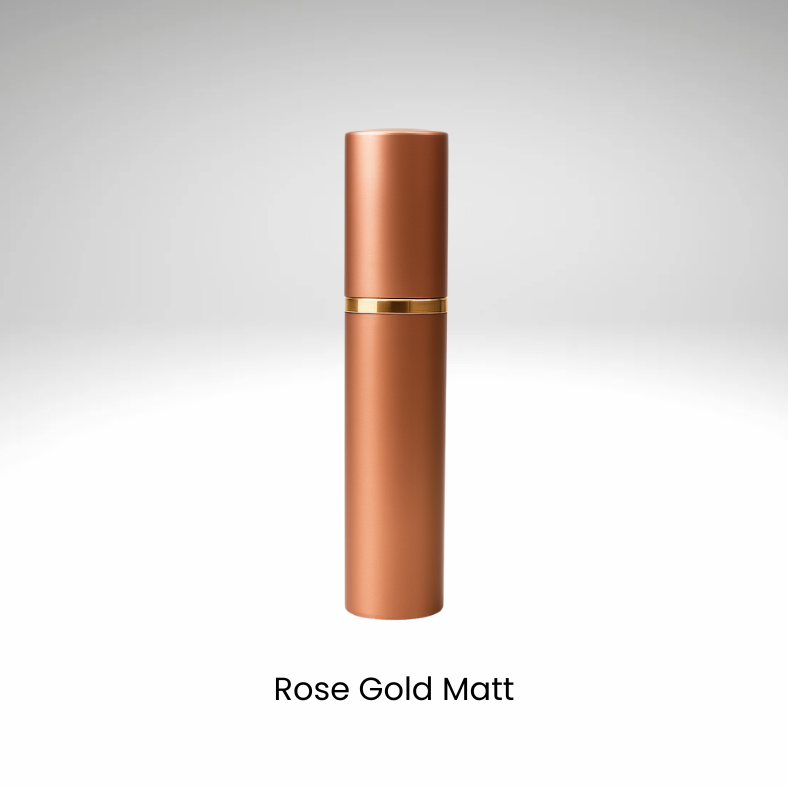
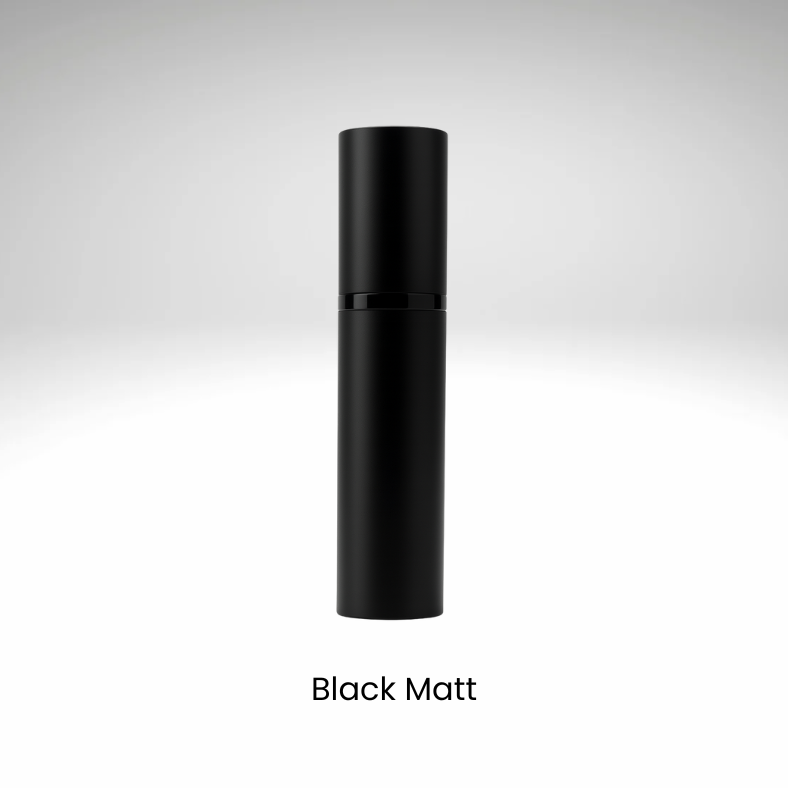
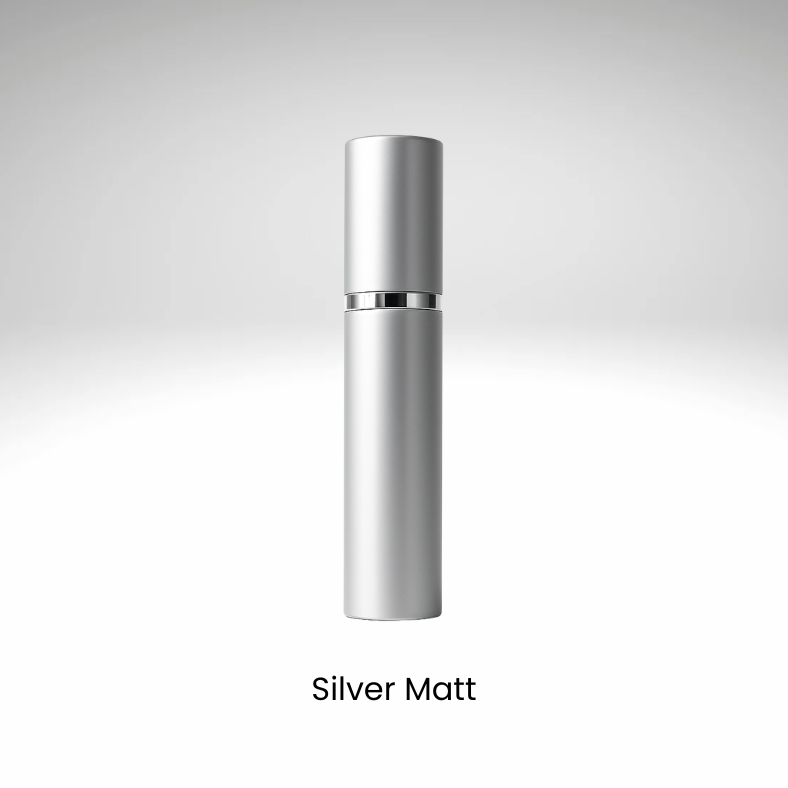
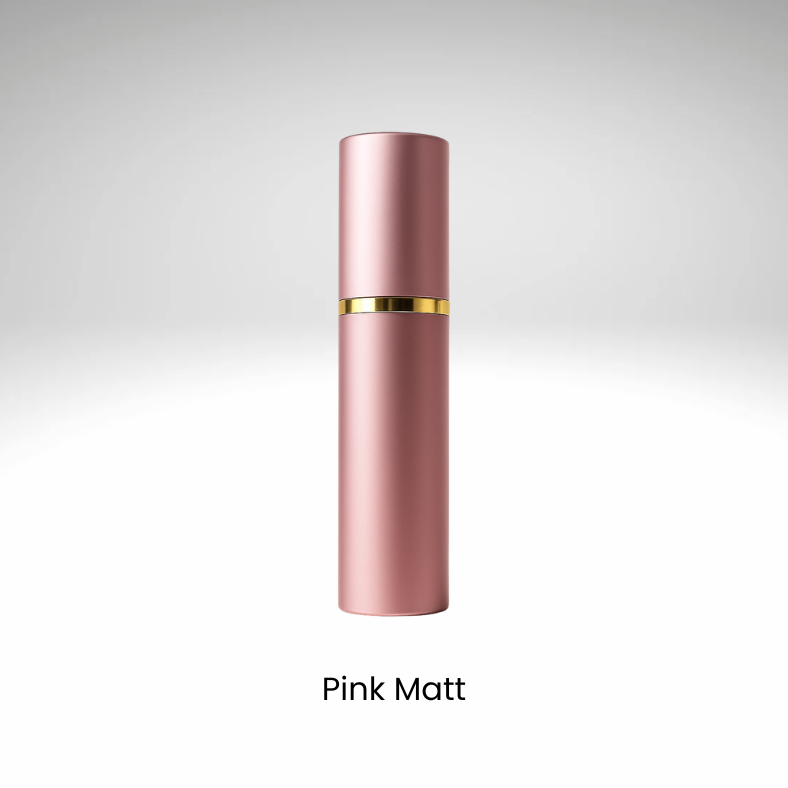
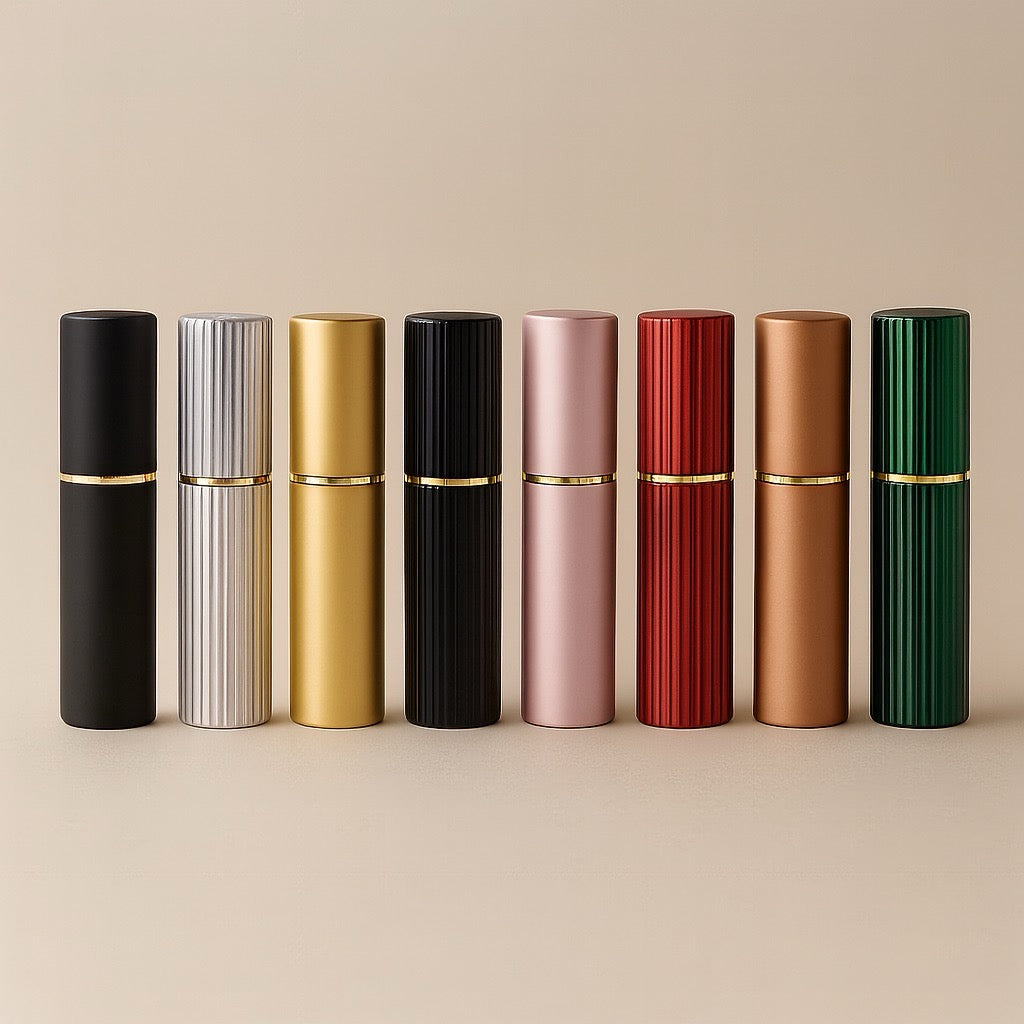
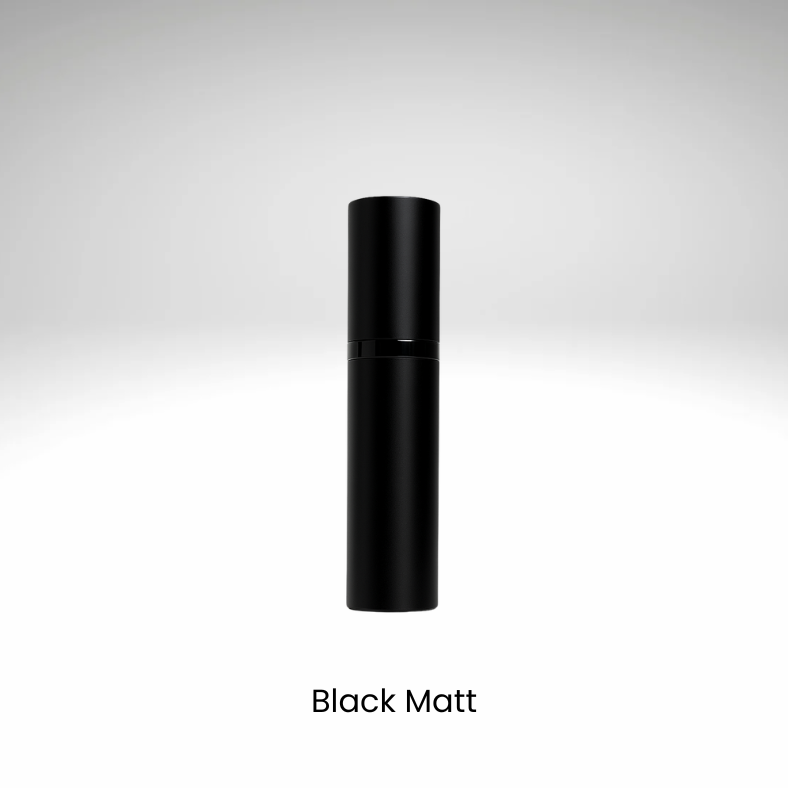
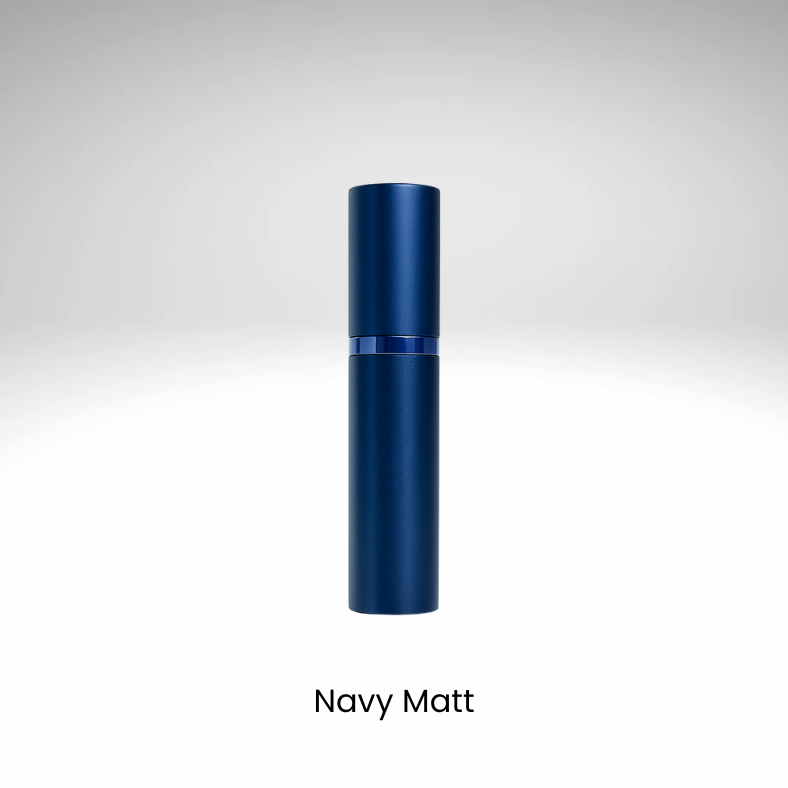
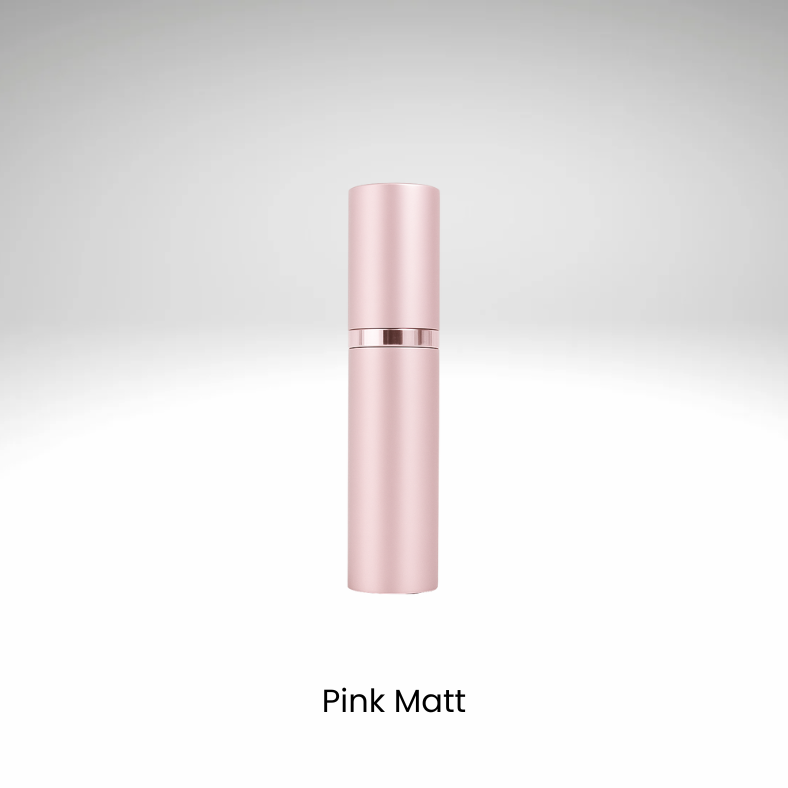
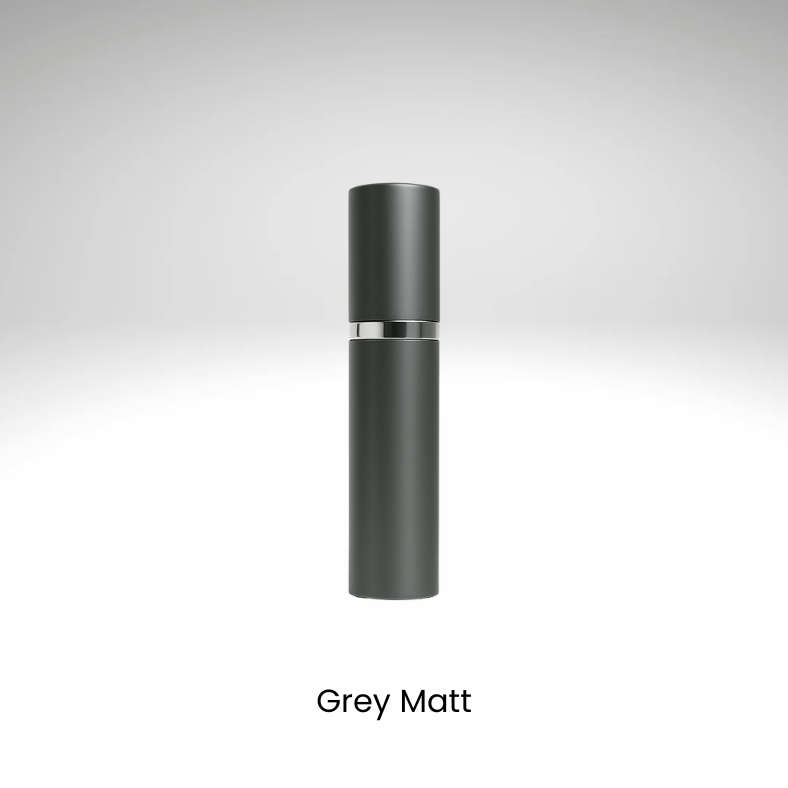
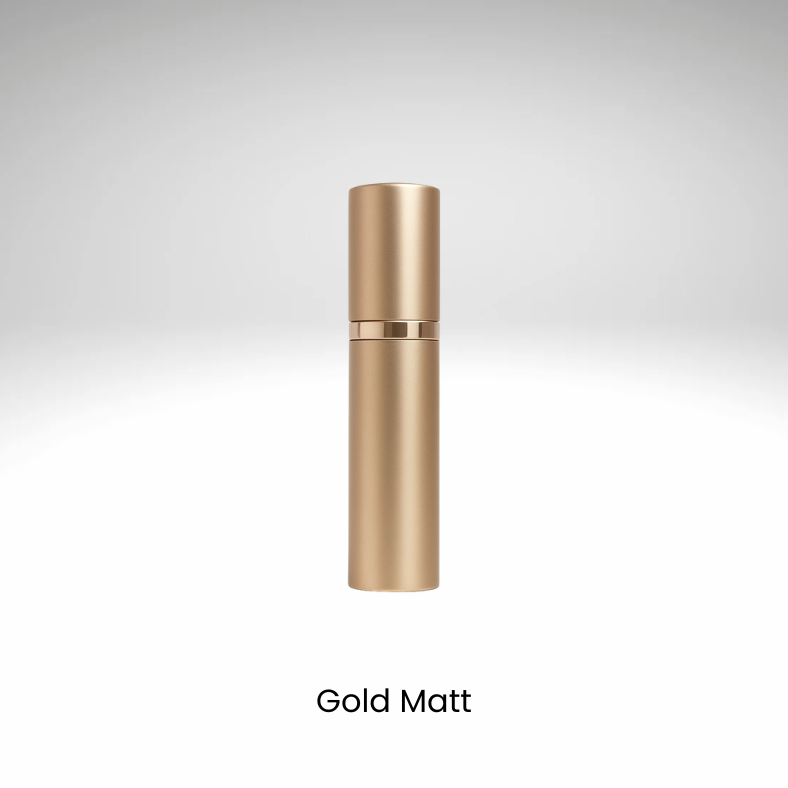
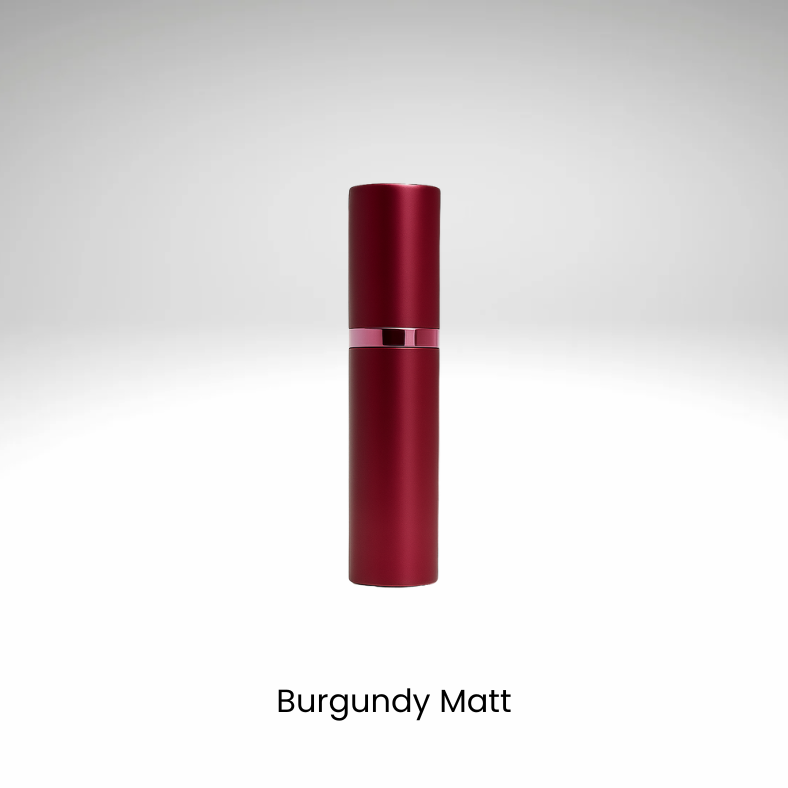
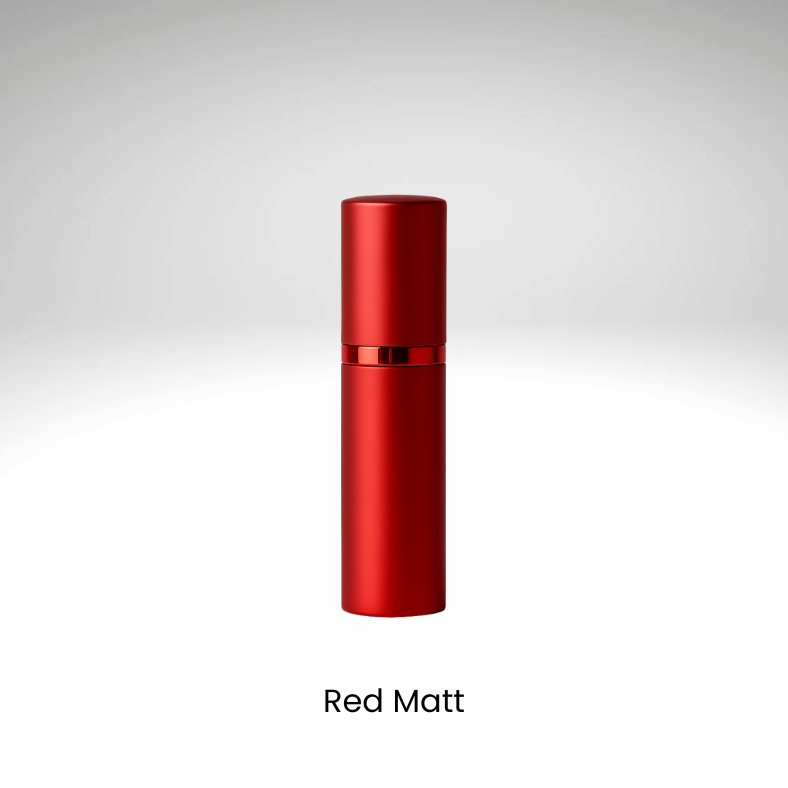
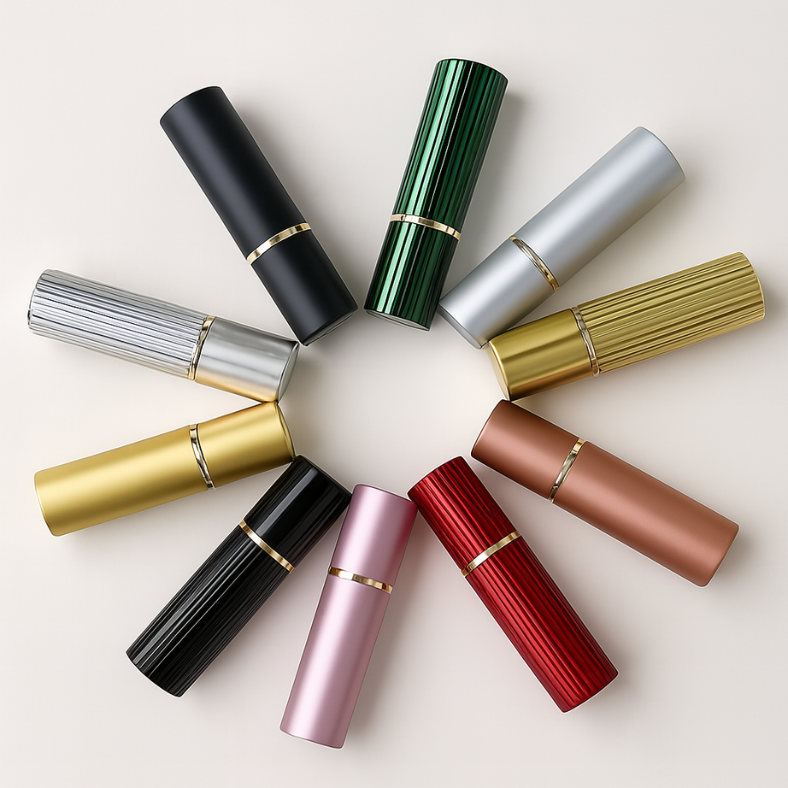
At Blossom's standard bottle prices, 100ml gives you the lowest price per millilitre. Pair it with a refillable 5ml travel atomiser or 10ml travel atomiser and you can leave the full-size bottle at home while carrying your favourite fragrance in a pocket or small bag.
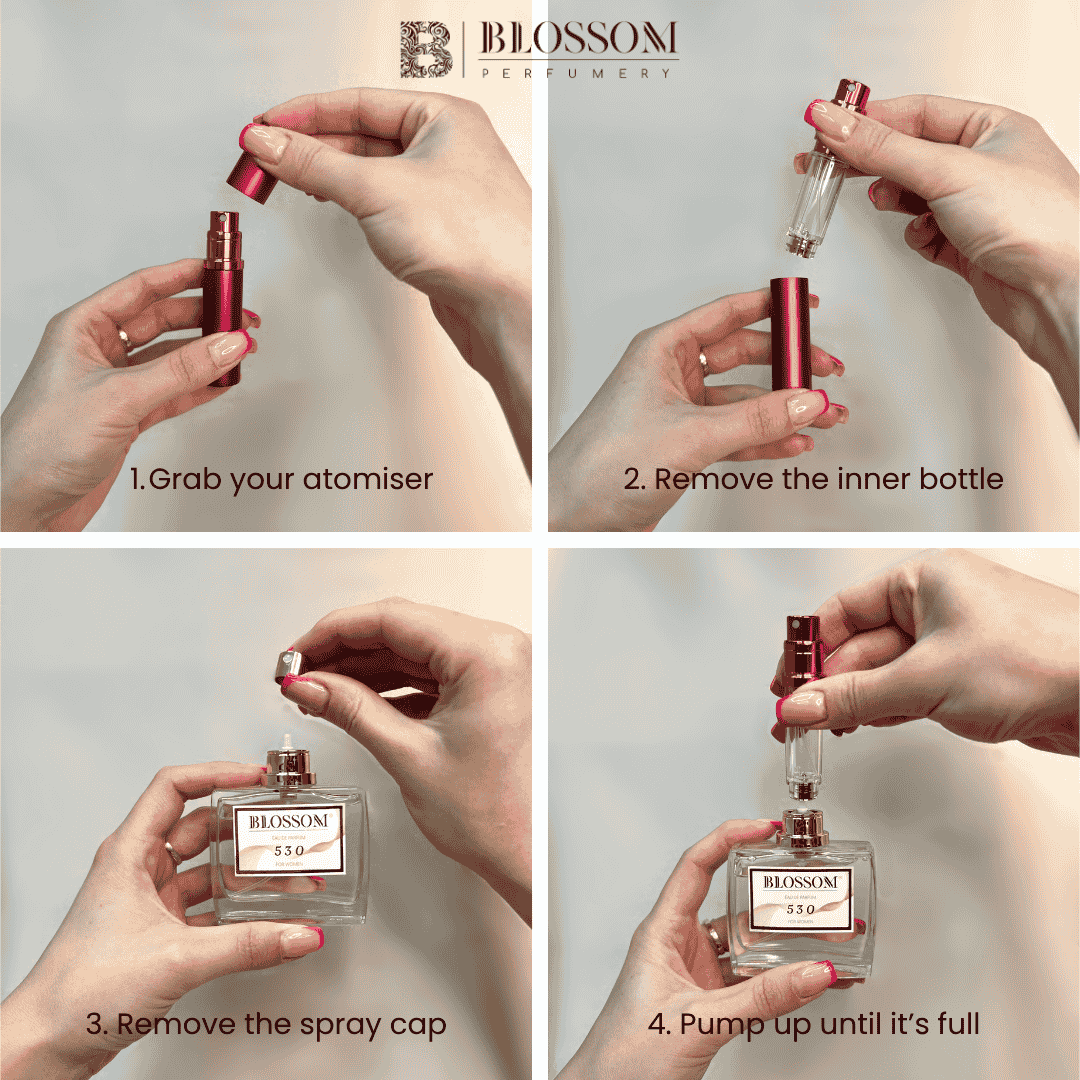
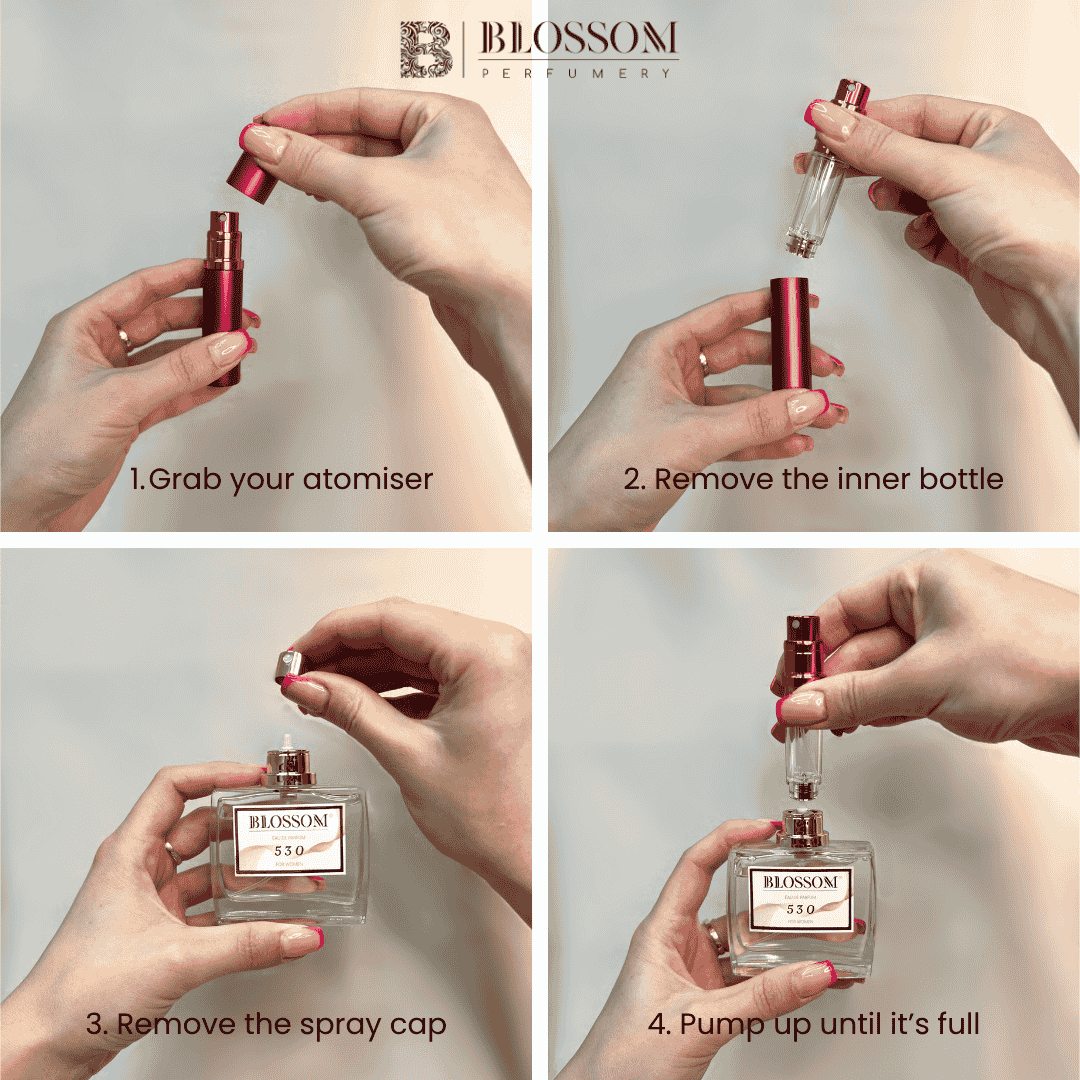
It is a practical combination for refreshing your fragrance during the day, heading out after work or packing for a weekend away. The atomisers are sold empty and purchased separately; check the filling instructions and compatibility with your perfume bottle. Their cost is additional to the bottle prices below.
Blossom's standard perfume prices by bottle size
Blossom's standard 30ml, 50ml and 100ml bottle prices are the same across fragrances: the price depends on the size you choose, not the scent. Sale items and promotional offers are exceptions. The table shows standard individual-bottle prices, checked on 6 November 2026, alongside the 3ml sample price. Delivery and discounts are excluded, and prices per millilitre are rounded.
| Variant | Listed price | Approximate price per ml |
|---|---|---|
| 3ml sample | £2.99 | £1.00 |
| 30ml | £16.95 | £0.57 |
| 50ml | £20.95 | £0.42 |
| 100ml | £26.95 | £0.27 |
At these standard prices, moving from 30ml to 50ml costs another £4 for 20ml more. Moving from 50ml to 100ml costs another £6 for 50ml more. The 100ml bottle has the lowest unit price, but the 30ml bottle still costs £10 less to buy.
That distinction matters if you are watching your spending. You do not save £10 by buying the largest bottle; you spend £10 more and receive more perfume. It is good value when you use that additional perfume, and less useful when the bottle sits untouched.
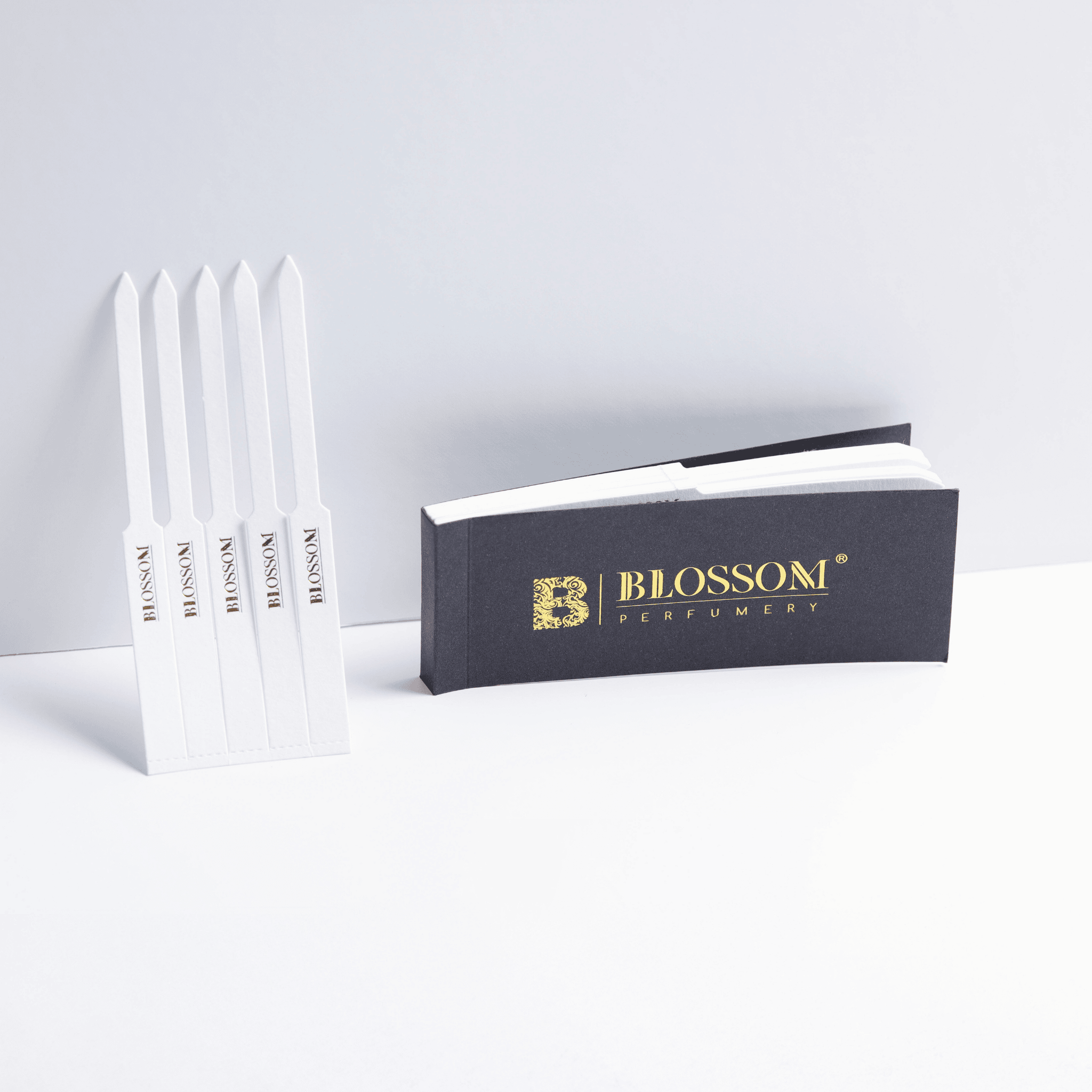
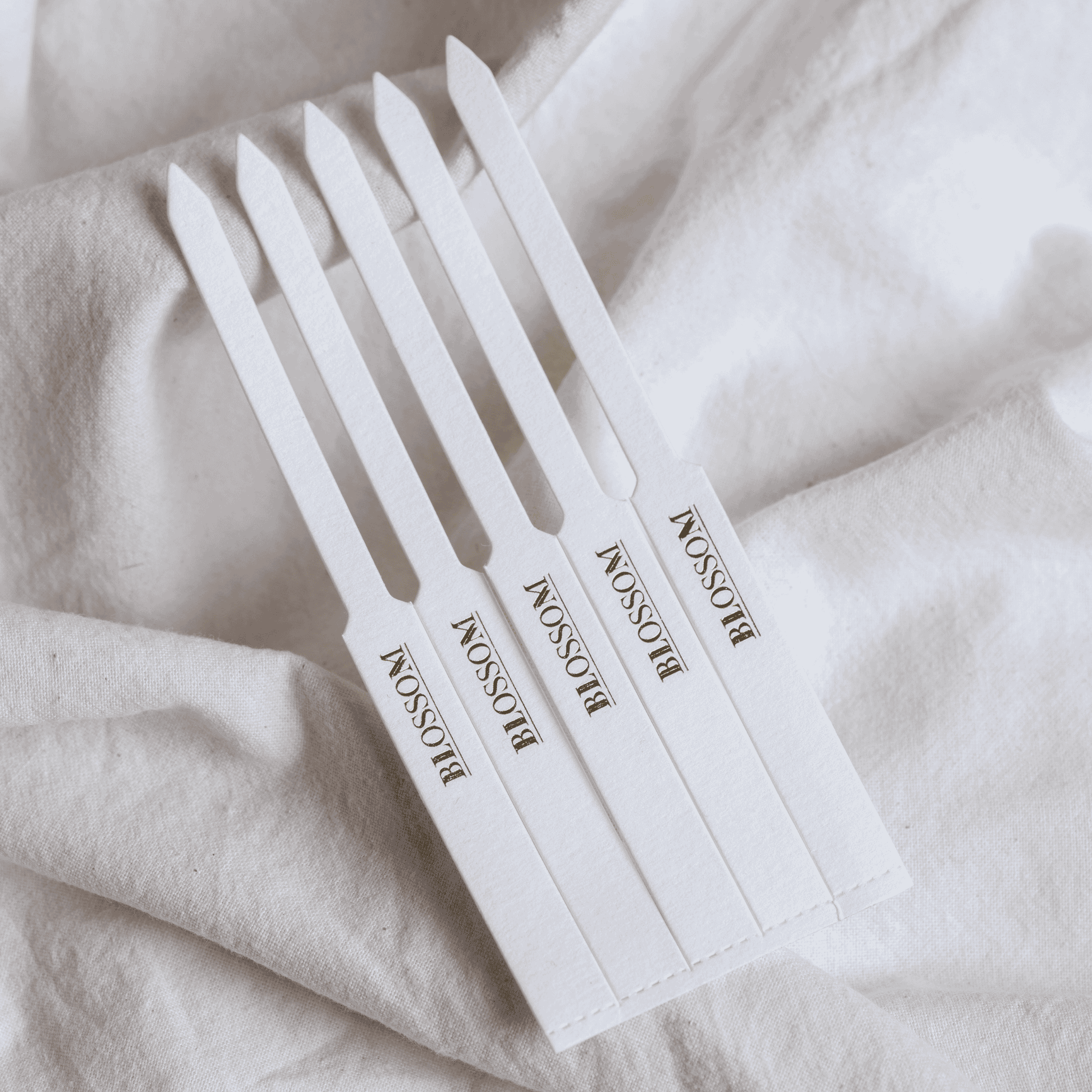
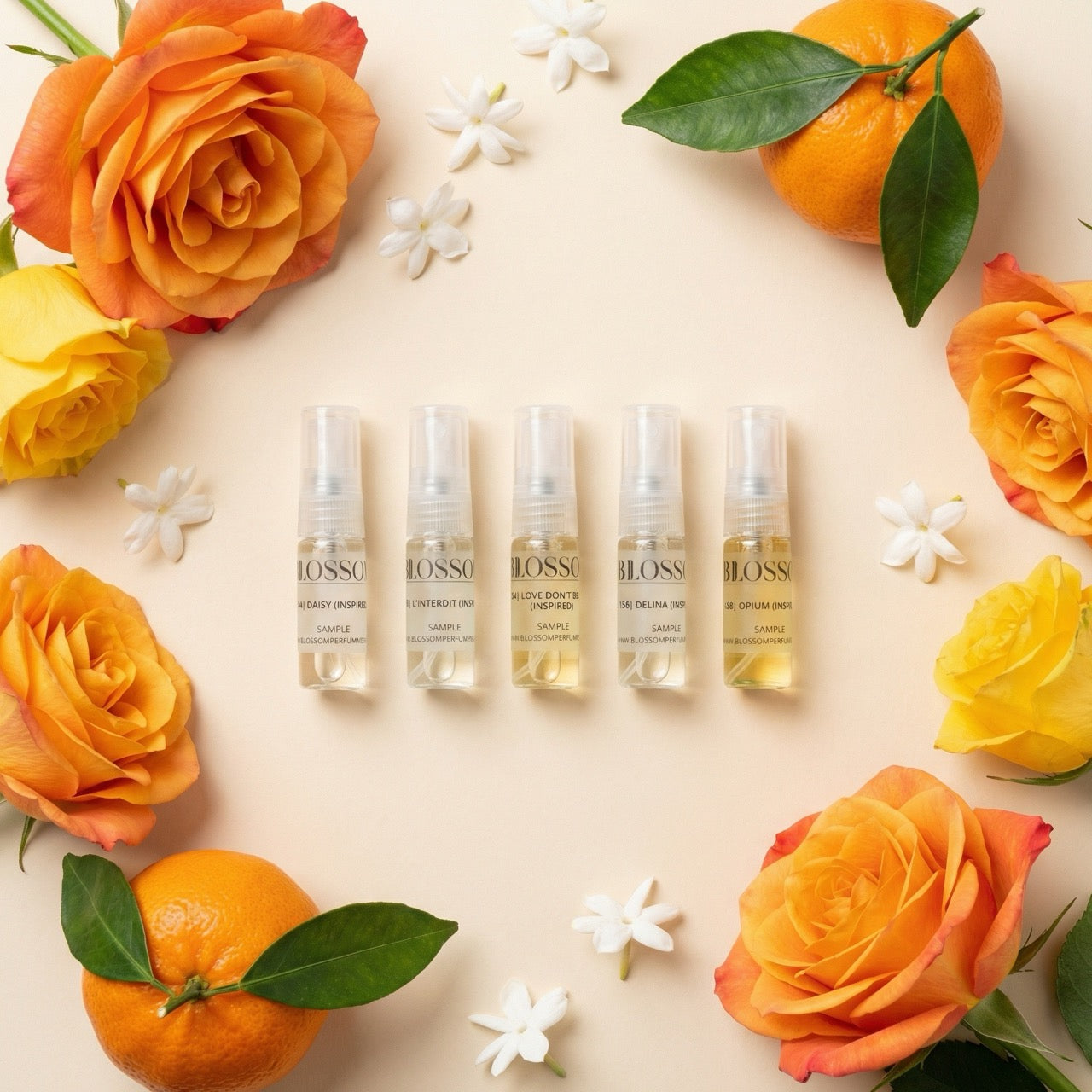
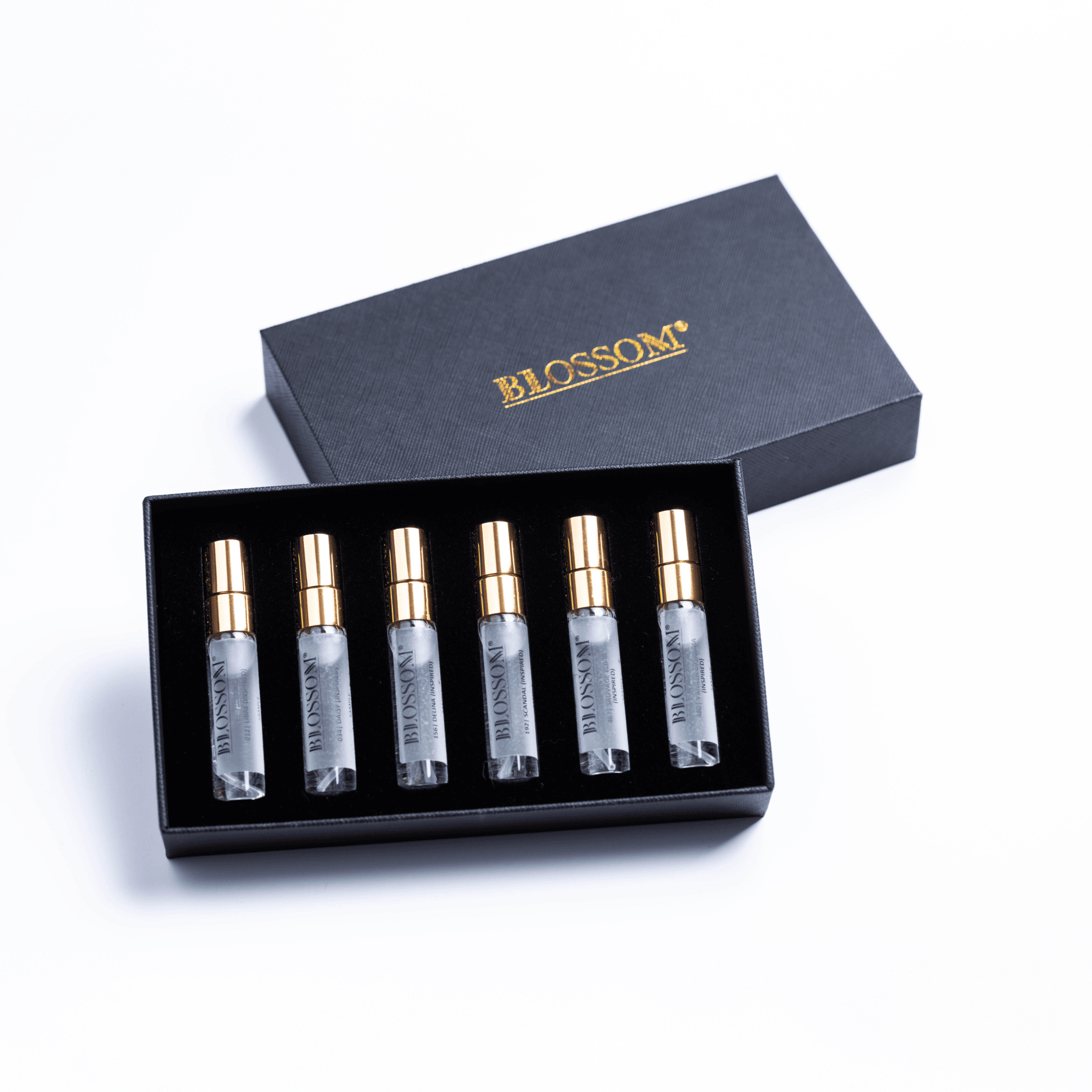
A sample serves a different purpose. Its higher unit price pays for a small trial before you commit. If you are uncertain about the scent itself, exploring the sample options can be more informative than comparing full-bottle prices.
How long will a bottle last?
A bottle's volume alone cannot give you a reliable number of months. You also need to know how much the atomiser dispenses, how many sprays you use per wear and how often you wear that fragrance.
For example, using one perfume five days a week and using it once a fortnight are very different habits. Switching between several bottles changes the calculation again. A universal “100ml lasts a year” claim hides those differences.
If you want a practical estimate, note when you start a bottle, roughly how frequently you wear it and how much remains after a reasonable period. Your own pattern will be more useful for a repeat purchase than a generic spray-count table. Avoid using a promised wear time on skin as a shortcut: fragrance longevity and the time it takes you to empty a bottle are different questions.
What about bundles and special offers?
Compare the final basket price, not just the percentage discount or number of bottles. Check which sizes and products are eligible, whether a code is required and whether delivery changes the total.
A multi-bottle offer is worth considering when you already know you want each fragrance. Adding scents you would not otherwise buy can increase your spending even when the average bottle price falls. Our guide to whether perfume bundles are worth it covers that separate decision in more detail.
Two quick answers about bottle sizes
Is 100ml stronger than 30ml?
Millilitres measure the amount of liquid, not fragrance strength. When comparing different sizes of the same formulation, the size label is not a concentration rating. If the product names also differ, check whether you are comparing different versions.
Which size is best for a gift?
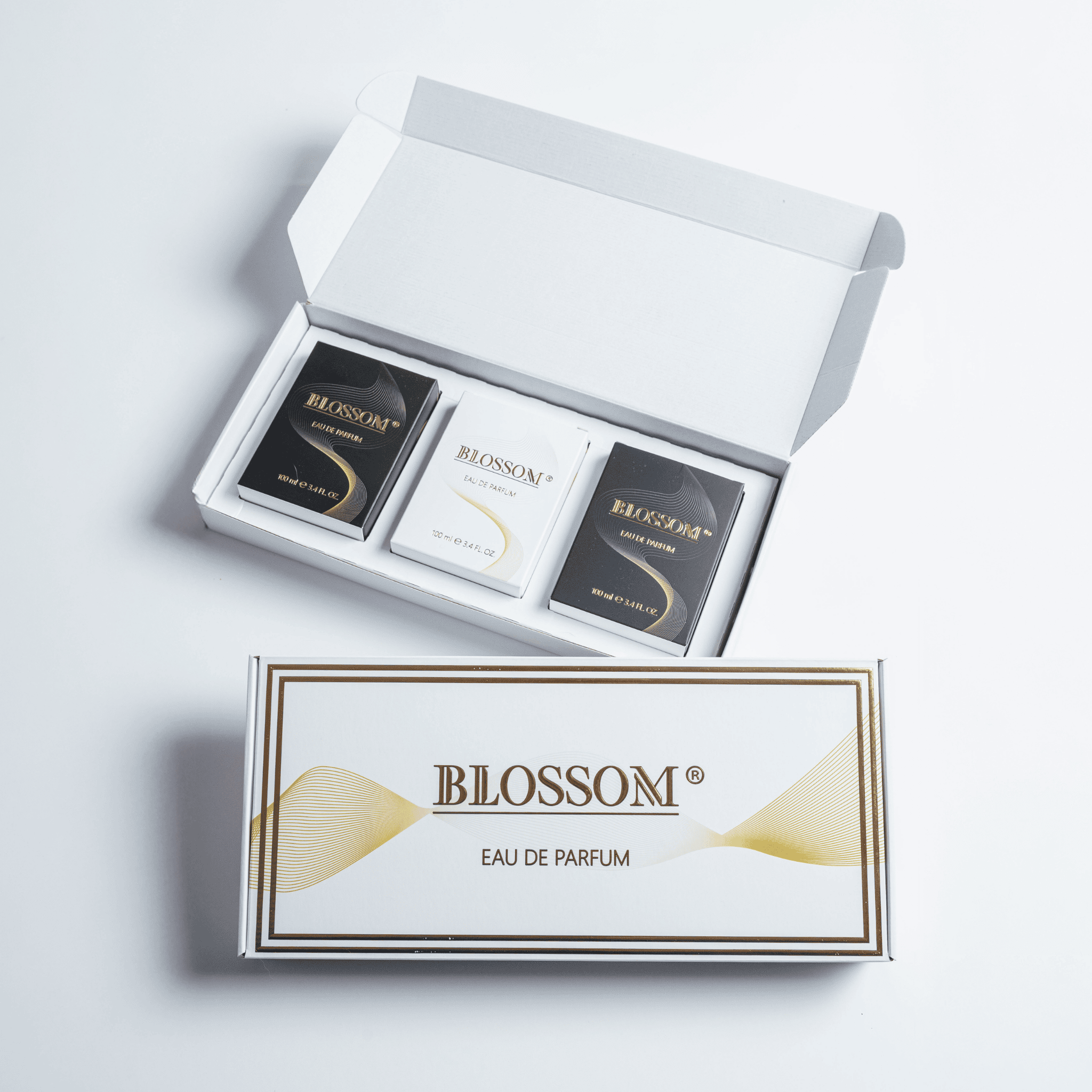
Let your knowledge of the recipient guide you. A familiar favourite may justify a larger bottle; an unfamiliar scent calls for more caution. A set of smaller sprays can offer variety. Browse the gift set options with that distinction in mind.
Buy for your routine
First choose a fragrance you enjoy wearing, then choose the quantity. A sample answers whether you like it; a smaller bottle suits occasional use or a changing collection; a larger bottle can offer better unit value for an established favourite. The best size is the one that fits your budget and your habits, with perfume you will look forward to using.